


Content
What a Wheel Bearing Hub Assembly Unit Does
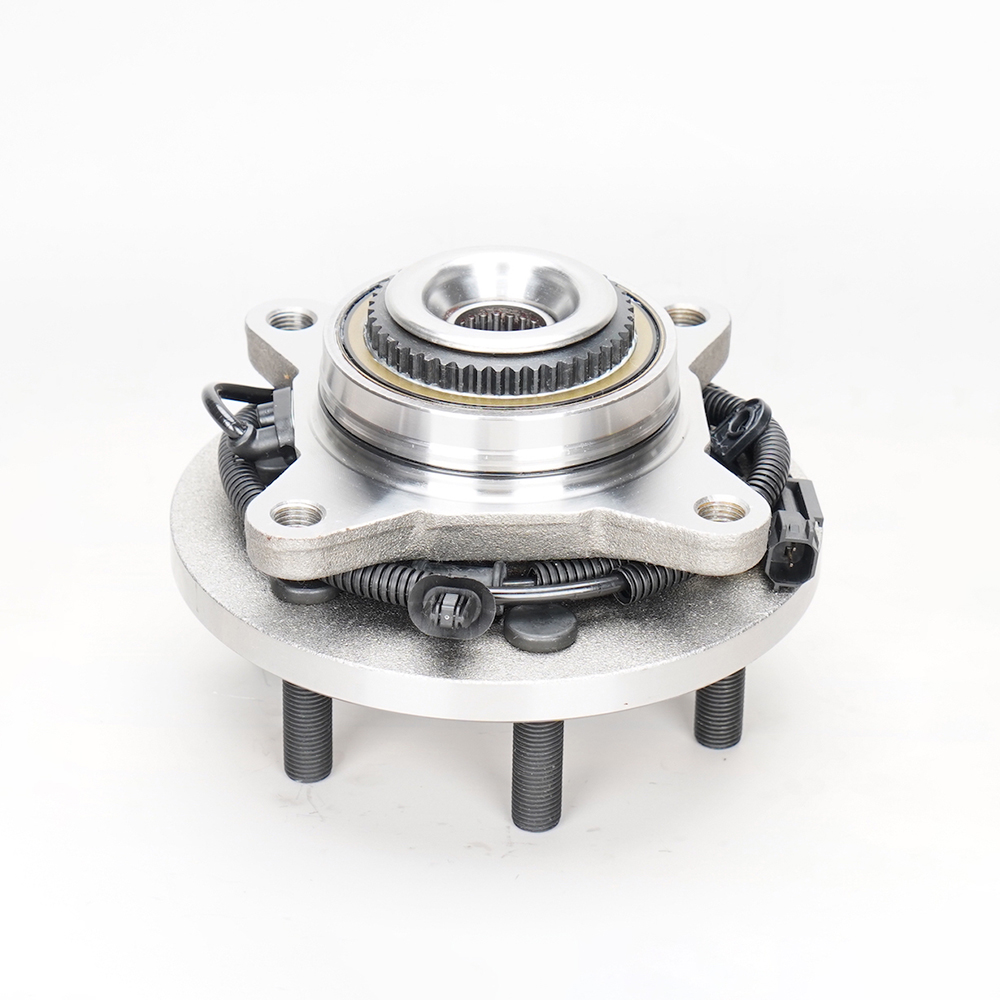
A wheel bearing hub assembly unit is a single integrated component that combines the wheel bearing, hub, and in many modern vehicles, the ABS wheel speed sensor into one sealed unit. It supports the vehicle's weight while allowing the wheel to rotate smoothly with minimal friction. The hub portion connects directly to the wheel and brake rotor, while the bearing inside allows for free rotation under the load of the vehicle's weight and the lateral forces generated during cornering and braking.
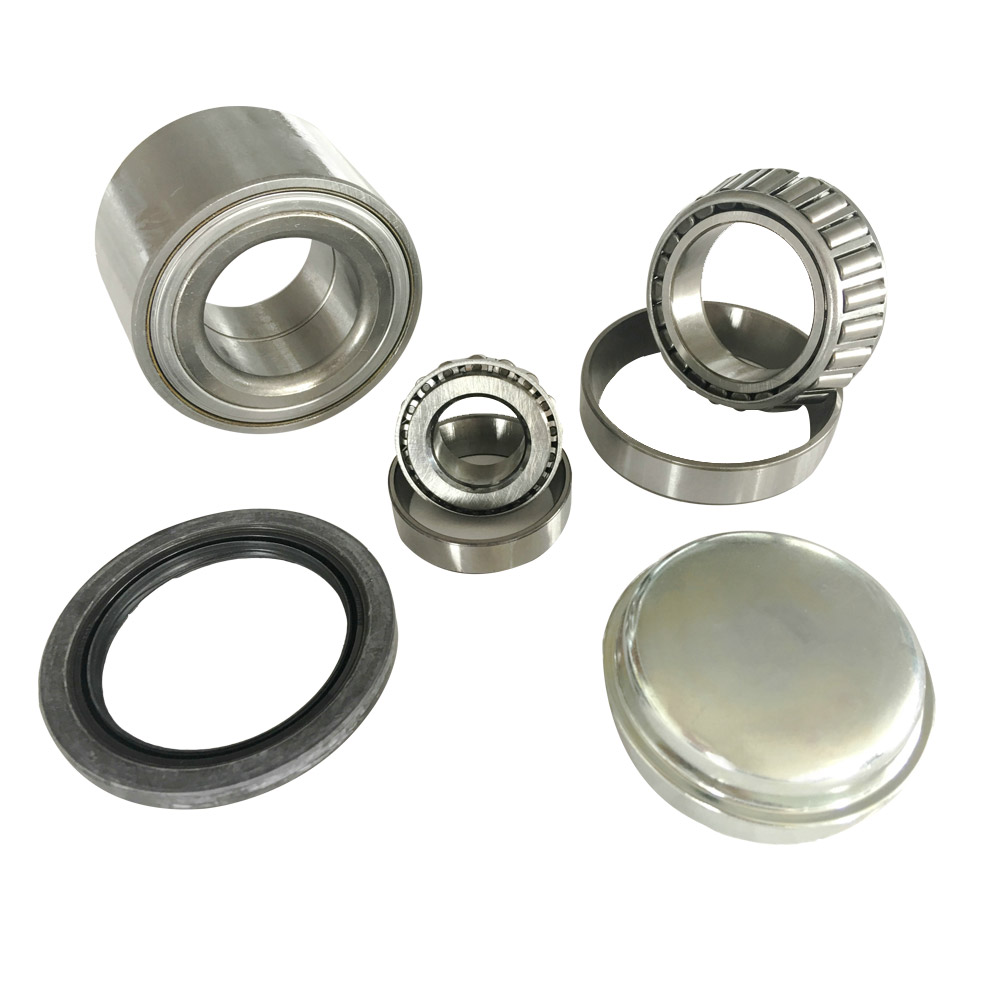
Unlike older bearing designs that required separate inner and outer bearings, races, and manual grease packing, the modern hub assembly unit is pre-lubricated and sealed at the factory. This design simplifies installation and reduces the need for periodic maintenance, but it also means the entire unit must be replaced as a whole when the bearing fails, rather than servicing individual components.
Key Components Within the Assembly
Understanding what makes up a wheel bearing hub assembly helps clarify why the unit is replaced as a single part rather than repaired piece by piece.
- Bearing: a sealed set of rolling elements, typically ball or tapered roller bearings, that allow smooth rotation under load
- Hub: the flange that the wheel and brake rotor mount to, transferring rotational force from the axle to the wheel
- ABS Sensor Ring: a toothed ring integrated into many modern hub units that allows the ABS sensor to read wheel speed accurately
- Seal: a protective barrier that keeps contaminants, water, and road debris from entering the bearing and causing premature wear
- Mounting Bolts: fasteners that secure the hub assembly to the steering knuckle or axle housing
Common Signs of a Failing Wheel Bearing Hub Assembly
Recognizing early warning signs of hub assembly failure can prevent more serious drivetrain or suspension damage, as well as reduce the risk of a wheel bearing seizing while driving.

Grinding or Rumbling Noise
A low-pitched grinding or rumbling sound that increases with vehicle speed is one of the most common symptoms of bearing wear. This noise often changes pitch when turning, since cornering shifts the load distribution within the bearing and can make wear more noticeable in one direction.
Steering Wheel Vibration
Excessive play or wear within the bearing can cause vibration that is felt through the steering wheel, particularly at highway speeds. This vibration is sometimes mistaken for tire imbalance, making it important to rule out bearing wear during diagnosis.
ABS Warning Light
Since many hub assemblies integrate the ABS speed sensor ring, a damaged or worn bearing can trigger an ABS warning light due to inconsistent wheel speed readings, even if the ABS sensor itself is functioning correctly.
Uneven Tire Wear
Excessive play in a worn hub assembly can alter wheel alignment slightly, leading to uneven or accelerated tire wear patterns that would not otherwise be expected from normal driving.
How to Inspect a Wheel Bearing Hub Assembly
A basic physical inspection can often confirm suspected bearing wear before more invasive diagnostic steps are needed. With the vehicle safely raised and supported, grip the tire at the 12 and 6 o'clock positions and attempt to rock it back and forth. Noticeable play or clunking indicates excessive bearing wear. Spinning the wheel by hand while listening and feeling for roughness, grinding, or resistance can also reveal bearing damage that may not yet be audible while driving. A mechanic's stethoscope or simple auditory check while the vehicle is running and the wheel is off the ground can help pinpoint noise to a specific wheel.
Comparing Bearing Failure Symptoms by Severity
The table below outlines how symptoms typically progress as a wheel bearing hub assembly wears, helping drivers gauge the urgency of inspection or replacement.
| Wear Stage | Typical Symptoms | Recommended Action |
| Early | Faint humming noise at speed | Schedule inspection soon |
| Moderate | Grinding noise, ABS light, mild vibration | Replace within days |
| Severe | Loud grinding, noticeable wheel play, steering pull | Replace immediately, avoid driving if possible |
Choosing a Replacement Hub Assembly
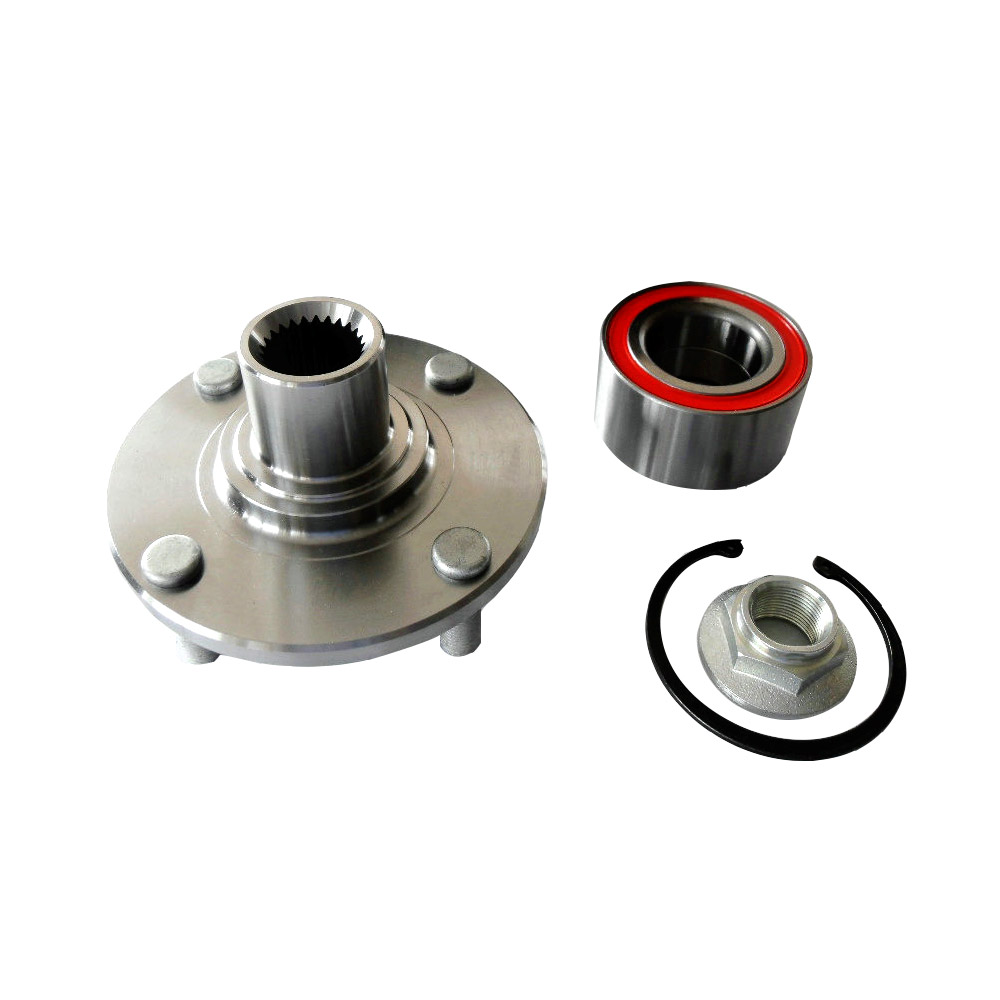
When selecting a replacement wheel bearing hub assembly, it is important to match the exact part number to the vehicle's year, make, model, and trim level, since ABS sensor configurations and bolt patterns can vary even within the same model line. OEM or OEM-equivalent parts generally offer more consistent quality control and longer service life compared to lower-cost aftermarket alternatives, though reputable aftermarket brands can still provide reliable performance at a lower price point. Buyers should also confirm whether the vehicle requires a bearing-only unit or a full hub assembly, as some older or heavy-duty vehicles still use separable bearing and hub designs rather than the fully integrated unit found in most modern passenger vehicles.
Why Prompt Replacement Matters
Delaying replacement of a failing wheel bearing hub assembly can lead to more serious consequences beyond noise and vibration. Continued wear can eventually cause the bearing to seize entirely, leading to loss of wheel control, potential wheel separation, or damage to surrounding suspension and steering components. Because the hub assembly is a safety-critical part directly affecting vehicle handling and stability, addressing symptoms promptly rather than postponing repair helps prevent more costly damage and reduces the risk of a dangerous failure while driving.
