


Content
What Is a Wheel Bearing Hub Assembly Unit?
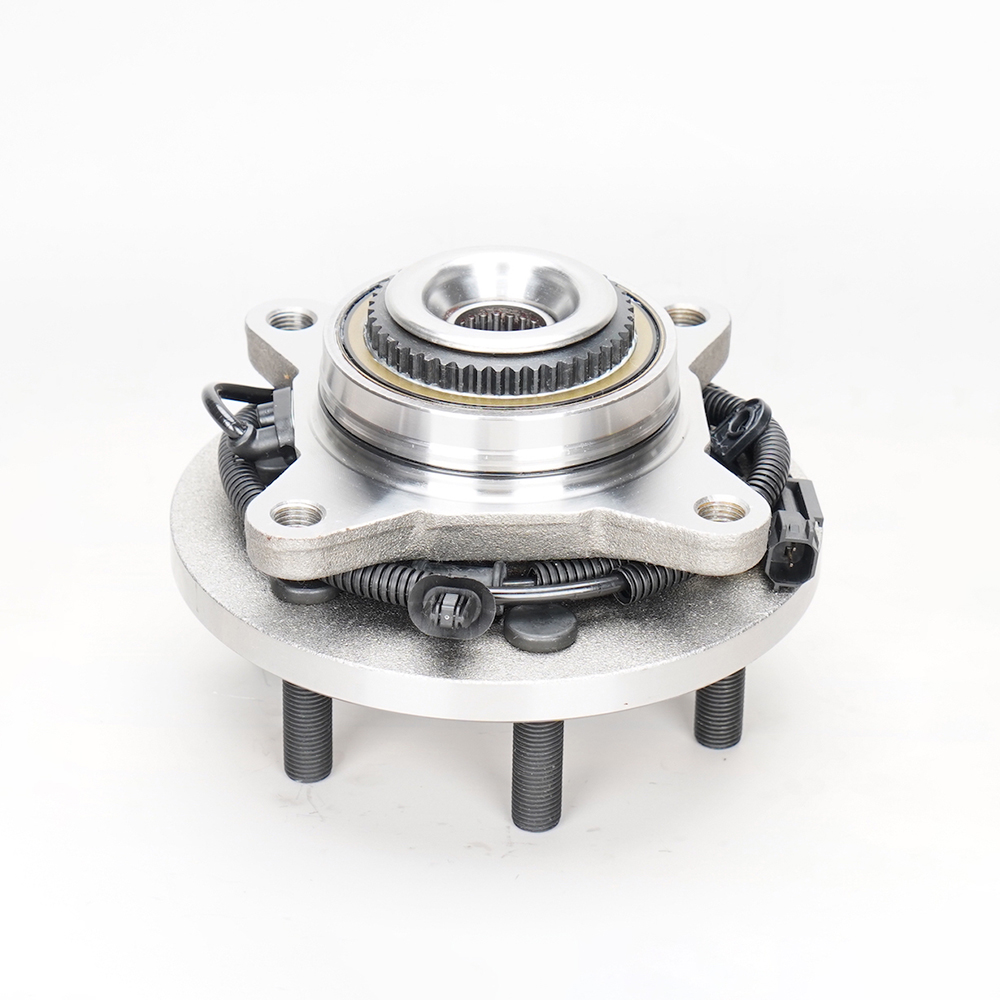
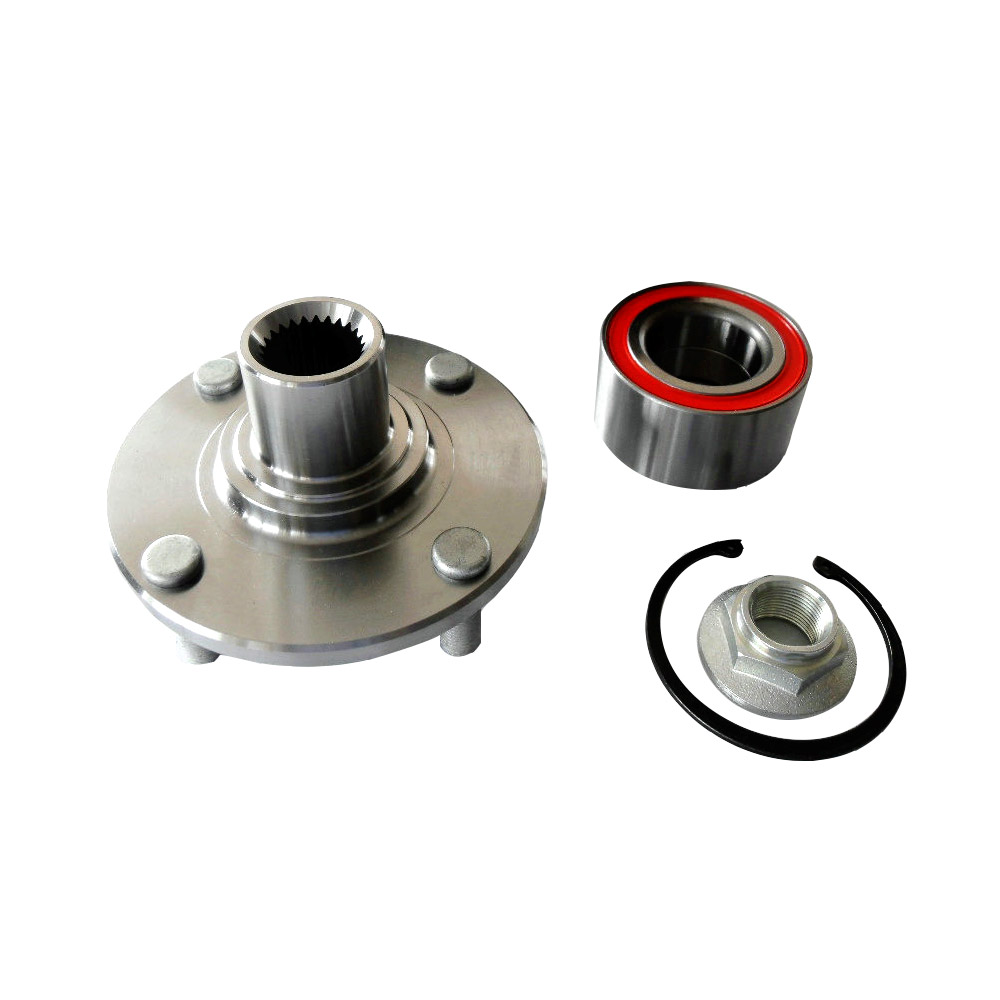
A wheel bearing hub assembly unit is a pre-engineered vehicle component that combines the wheel bearing, hub, and sometimes the ABS sensor into a single integrated part. This design simplifies installation and replacement compared to older systems where the bearing and hub were separate components requiring manual pressing and adjustment. The unit supports the vehicle's weight, allows smooth wheel rotation, and helps maintain proper wheel alignment while the vehicle is in motion.
Because the wheel bearing hub assembly plays a direct role in steering control, braking performance, and overall ride stability, understanding how it works and recognizing signs of wear is essential for vehicle owners and technicians alike. A failing unit can compromise safety, so timely inspection and replacement are important maintenance priorities.
How the Assembly Works Within the Vehicle
The wheel bearing hub assembly connects the wheel to the vehicle's axle or suspension system. It contains precision-machined bearings that allow the wheel to spin freely with minimal friction while supporting radial and axial loads generated during driving, braking, and cornering.
Bearing Function
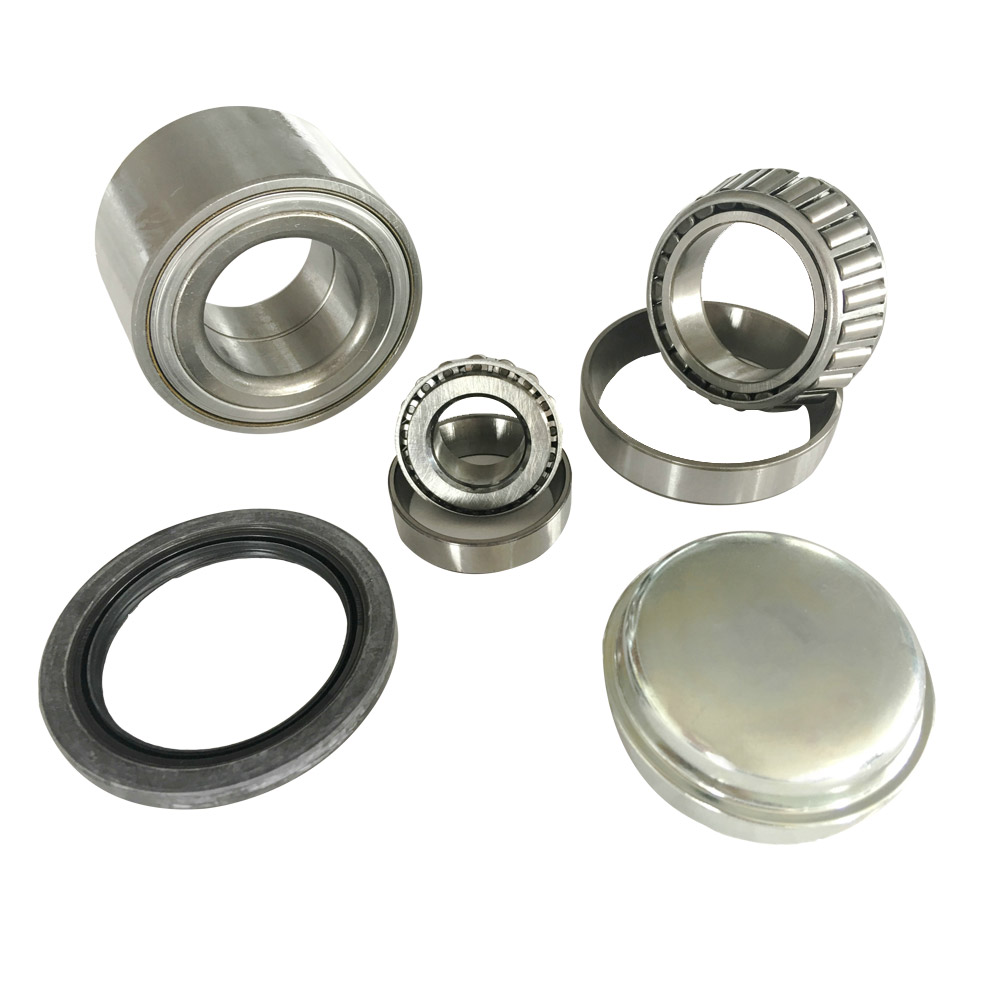
Inside the hub, sealed ball or roller bearings reduce friction between the rotating wheel and the stationary axle housing. These bearings are packed with grease and sealed to protect against dirt, water, and road debris, which helps extend service life under normal driving conditions.
Integrated Sensor Compatibility
Many modern hub assemblies include a built-in ABS wheel speed sensor or sensor ring, allowing the vehicle's anti-lock braking and traction control systems to monitor wheel rotation speed accurately. This integration reduces the number of separate components technicians must install and calibrate.
Mounting Structure
The hub flange provides mounting points for the wheel and brake rotor, ensuring both components remain properly aligned and centered during rotation. This structural precision is critical for even tire wear and consistent braking performance.

Common Signs of a Failing Wheel Bearing Hub Assembly
Recognizing early warning signs can help prevent more serious mechanical issues or safety hazards. The following symptoms often indicate a worn or damaged hub assembly.
- A grinding or growling noise that changes with vehicle speed
- Uneven or excessive tire wear on one side of the vehicle
- Vibration felt through the steering wheel or floorboard
- Looseness or play when the wheel is manually shaken
- ABS warning light activation due to sensor malfunction
- Uneven steering response or pulling to one side while driving
Comparing Traditional Bearings vs Hub Assembly Units
The table below outlines key differences between traditional separate wheel bearings and modern integrated hub assembly units.
| Feature | Traditional Separate Bearing | Wheel Bearing Hub Assembly Unit |
| Installation Complexity | High, requires pressing tools | Low, bolt-on replacement |
| Sensor Integration | Separate component | Often built-in |
| Maintenance Needs | Periodic repacking with grease | Sealed, minimal maintenance |
| Replacement Cost | Lower part cost, higher labor | Higher part cost, lower labor |
| Common Use | Older vehicle models | Most modern vehicles |
Replacement Process Overview
Replacing a wheel bearing hub assembly involves several steps that require proper tools and safety precautions. While professional installation is recommended, understanding the general process helps vehicle owners communicate effectively with technicians.
Vehicle Preparation
The vehicle is raised and secured on jack stands, the wheel is removed, and the brake caliper and rotor are detached to access the hub assembly bolts. Proper torque specifications must be followed when reassembling to ensure safe operation.
Removal and Installation
The old hub assembly is unbolted from the steering knuckle or axle housing, and the new unit is installed in its place. Since most modern units are pre-assembled, this process typically does not require pressing bearings separately, reducing labor time significantly.
Sensor Calibration
If the hub assembly includes an integrated ABS sensor, technicians must verify proper electrical connection and, in some cases, perform a system reset or calibration to ensure accurate wheel speed readings after installation.
Tips for Extending Service Life
While wheel bearing hub assemblies are generally low-maintenance, certain driving and inspection habits can help extend their operational lifespan.
- Avoid driving through deep water or flooded roads when possible, as moisture can compromise seals
- Have wheel alignment checked regularly to reduce uneven bearing load
- Address unusual noises or vibrations promptly rather than delaying inspection
- Choose quality replacement units from reputable manufacturers rather than low-cost alternatives
- Follow manufacturer torque specifications during installation to prevent premature wear
A wheel bearing hub assembly unit is a critical safety component that supports smooth wheel rotation, stable steering, and reliable braking performance. By understanding how the assembly functions, recognizing early warning signs of failure, and following proper maintenance and replacement practices, vehicle owners can maintain safer and more dependable driving performance over the long term.
