


Content
A wheel bearing hub assembly unit is one of the most critical components in a vehicle's suspension and steering system, supporting the weight of the car while allowing the wheel to rotate smoothly with minimal friction. Modern vehicles increasingly use this integrated design instead of separate bearings and hubs, simplifying both manufacturing and repair. This article explains what a wheel bearing hub assembly does, how to recognize signs of failure, and what to consider when replacing one.
What a Wheel Bearing Hub Assembly Unit Actually Is
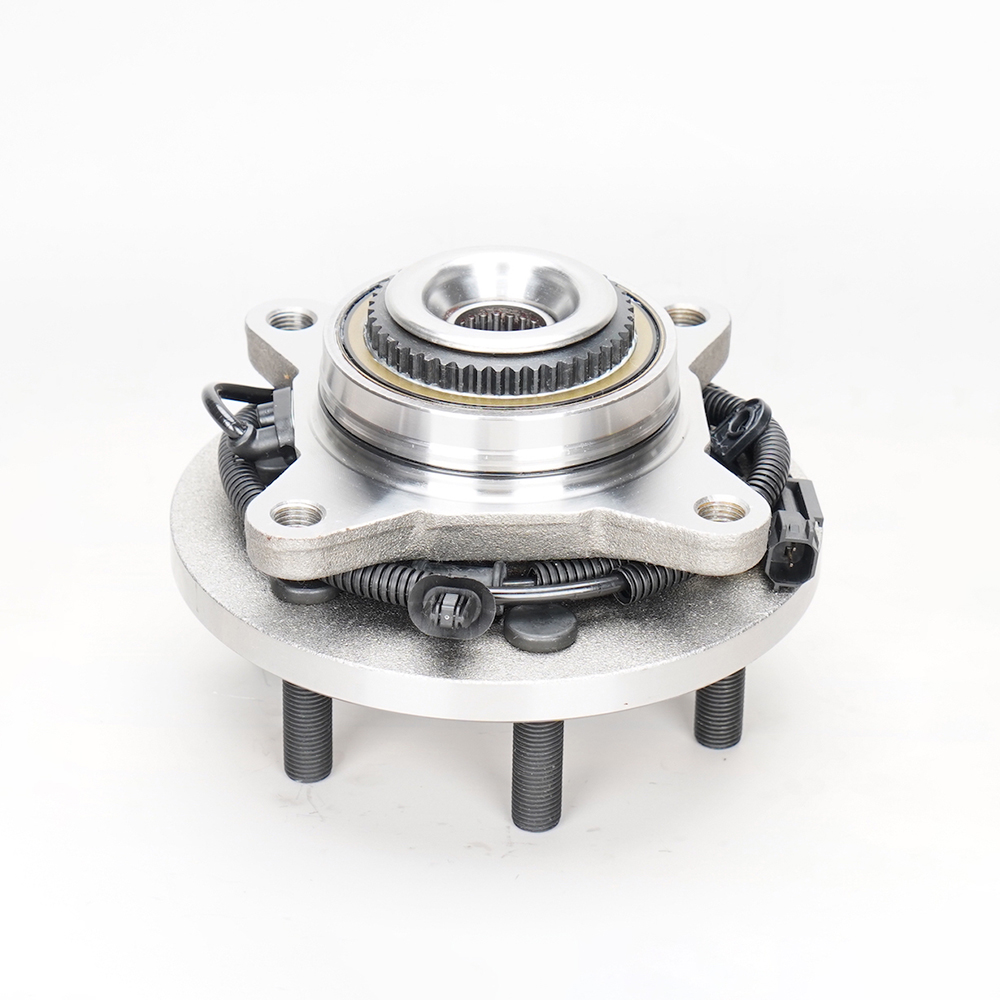
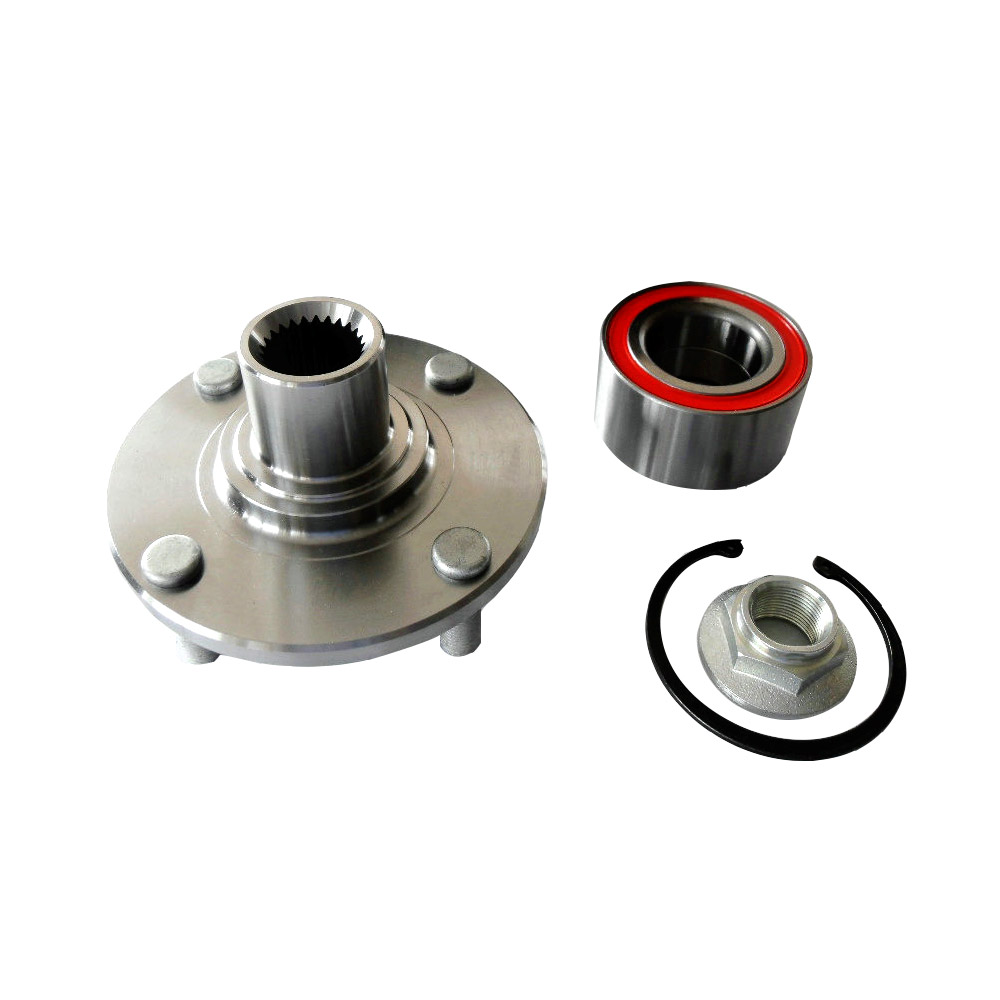
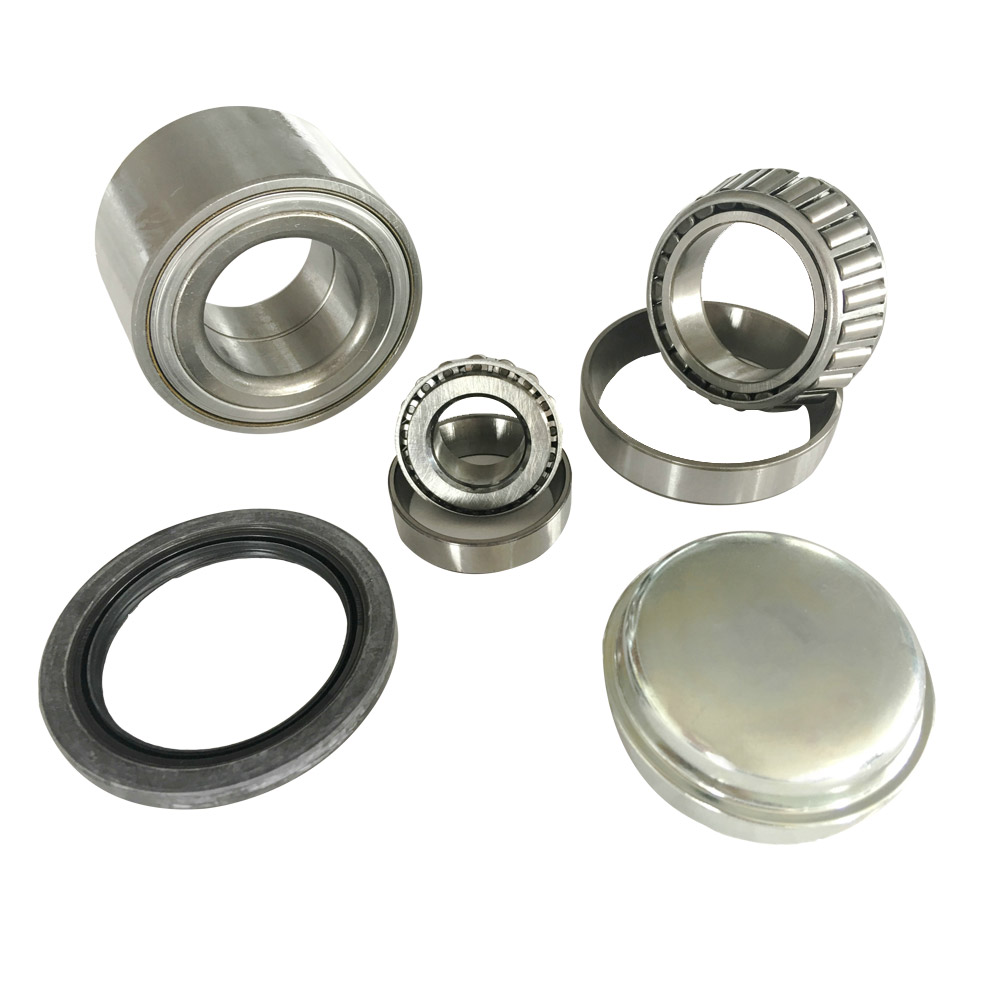
A wheel bearing hub assembly combines the wheel bearing, the hub, and, in many modern vehicles, the ABS wheel speed sensor into a single pre-assembled unit. This differs from older vehicle designs, where the bearing and hub were separate components that required manual packing with grease and individual adjustment during installation. The integrated design, often referred to as a third-generation hub assembly in the automotive industry, arrives pre-lubricated and sealed, which eliminates the need for manual bearing adjustment and significantly simplifies the replacement process.
The hub itself is the component that the wheel bolts directly onto, while the bearing inside allows the hub, and therefore the wheel, to rotate freely around the spindle or axle. Because the entire unit bears the vehicle's weight while also handling the rotational forces of driving, braking, and cornering, it is engineered to withstand significant mechanical stress throughout its service life.

Types of Wheel Bearing Hub Assemblies
Wheel bearing hub assemblies are generally categorized by generation, reflecting how much additional functionality is integrated into the unit. Understanding these categories helps when sourcing the correct replacement part for a specific vehicle.
| Generation | Components Included | Typical Vehicles |
| First generation | Bearing only, mounted in a housing | Older trucks, some rear axles |
| Second generation | Bearing and flange combined | Many mid-2000s sedans |
| Third generation | Bearing, hub, and ABS sensor integrated | Most modern passenger vehicles |
| Fourth generation | Includes CV joint integration | Newer AWD and front-drive models |
Common Signs of a Failing Wheel Bearing Hub Assembly
Recognizing early warning signs of hub assembly failure can prevent more serious drivability and safety issues down the road. One of the most common symptoms is a grinding or humming noise that changes pitch with vehicle speed, often becoming more noticeable during turns as weight shifts onto the affected wheel. This noise typically originates from worn internal bearing races that have lost their smooth rolling surface, creating friction as the hub rotates.
Vibration felt through the steering wheel or floorboard is another common indicator, particularly at higher speeds, and can sometimes be mistaken for tire balance issues. Excessive play or looseness when the wheel is rocked by hand, checked with the vehicle safely raised and supported, often points directly to bearing wear, since a healthy hub assembly should show minimal to no detectable movement in this test. In vehicles with integrated ABS sensors, a failing hub assembly can also trigger the ABS warning light, since damage to the sensor ring or wiring within the unit can disrupt the wheel speed signal.
Warning Signs to Watch For
- Grinding, humming, or growling noise that changes with speed
- Vibration through the steering wheel or floorboard
- Noticeable wheel wobble or looseness when checked by hand
- ABS or traction control warning light illumination
- Uneven tire wear concentrated on one side of the tread
What Causes Wheel Bearing Hub Assemblies to Fail
Wheel bearing hub assemblies are designed for long service life, but several factors can accelerate wear and lead to premature failure. Water and road debris intrusion is one of the leading causes, since damaged seals allow contaminants to enter the bearing, washing away lubrication and introducing abrasive particles that accelerate internal wear. This is particularly common in vehicles frequently driven through deep water, flooded roads, or harsh winter conditions where road salt and grit are prevalent.
Impact damage from hitting potholes, curbs, or debris at speed can also cause internal damage to the bearing races, even if no external damage is visible immediately afterward. Over time, this hidden damage manifests as increased noise and play. Additionally, driving on a bearing that has already developed minor play can accelerate its failure, since the increased movement places uneven stress on the internal rollers and races, compounding wear rapidly once it begins.
Choosing the Right Replacement Unit
Selecting a quality replacement wheel bearing hub assembly is important, since this component directly affects vehicle safety and handling. The most critical step is confirming exact compatibility with the vehicle's make, model, year, and trim, since even small variations in bolt pattern, ABS sensor type, or hub bore diameter can render an otherwise similar-looking part unusable. Cross-referencing the vehicle's identification number with the part manufacturer's fitment database is the most reliable way to avoid ordering an incorrect unit.
Build quality also varies significantly between manufacturers, and this is one area where cutting costs can lead to a shorter part lifespan. Units from reputable manufacturers typically use higher-grade steel for the bearing races and better seal materials, which improve resistance to water and debris intrusion. For vehicles with integrated ABS sensors, it is also worth confirming that the replacement unit's sensor type and connector match the vehicle's original wiring harness, since mismatched sensors can trigger persistent ABS fault codes even after a mechanically sound installation.
Key Factors When Buying a Replacement
- Confirm exact fitment using the vehicle identification number
- Match bolt pattern, hub bore diameter, and ABS sensor type
- Choose reputable brands known for durable seal and bearing materials
- Verify whether the unit is pre-lubricated and sealed for direct installation
- Check warranty coverage, since bearing failures can be costly to diagnose repeatedly
Installation Considerations and Best Practices
While the integrated design of modern hub assemblies has simplified replacement compared to older bearing systems, proper installation still requires attention to torque specifications and mounting surface condition. The hub mounting surface on the steering knuckle should be thoroughly cleaned of rust and debris before installation, since an uneven mounting surface can introduce runout that leads to premature bearing wear even with a brand-new unit.
Torque specifications for the hub retaining bolts and the axle nut, where applicable, should be followed precisely using a calibrated torque wrench, since both undertightening and overtightening can damage the new bearing internally. For vehicles with press-fit designs rather than bolt-on hub assemblies, using the correct specialized tools for removal and installation is essential to avoid damaging the steering knuckle or introducing misalignment that shortens the life of the new part.
The wheel bearing hub assembly unit plays a vital role in vehicle safety, supporting weight while enabling smooth wheel rotation under constant mechanical stress. Recognizing early warning signs of wear, selecting a properly matched and well-built replacement, and following correct installation procedures all contribute to a safer, longer-lasting repair that keeps the vehicle handling as intended.
