


Content
What Is a Wheel Hub Spindle Kit
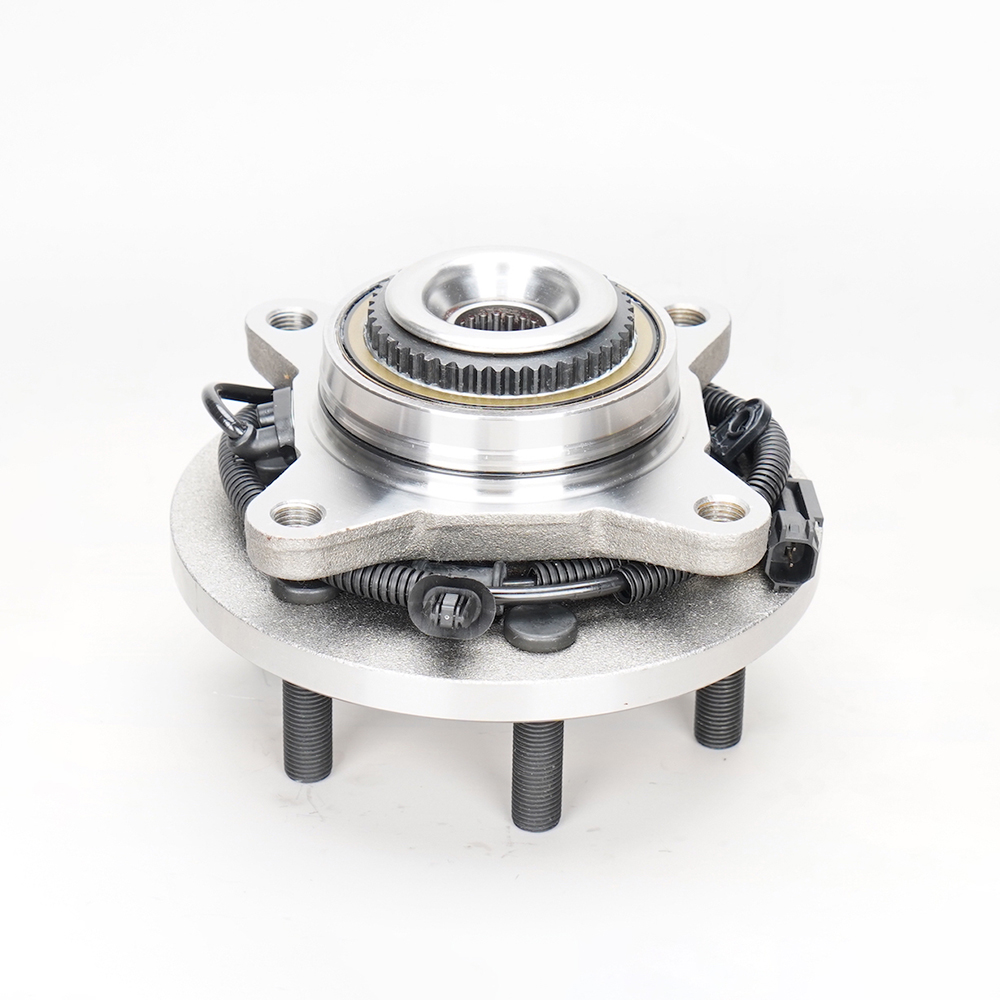
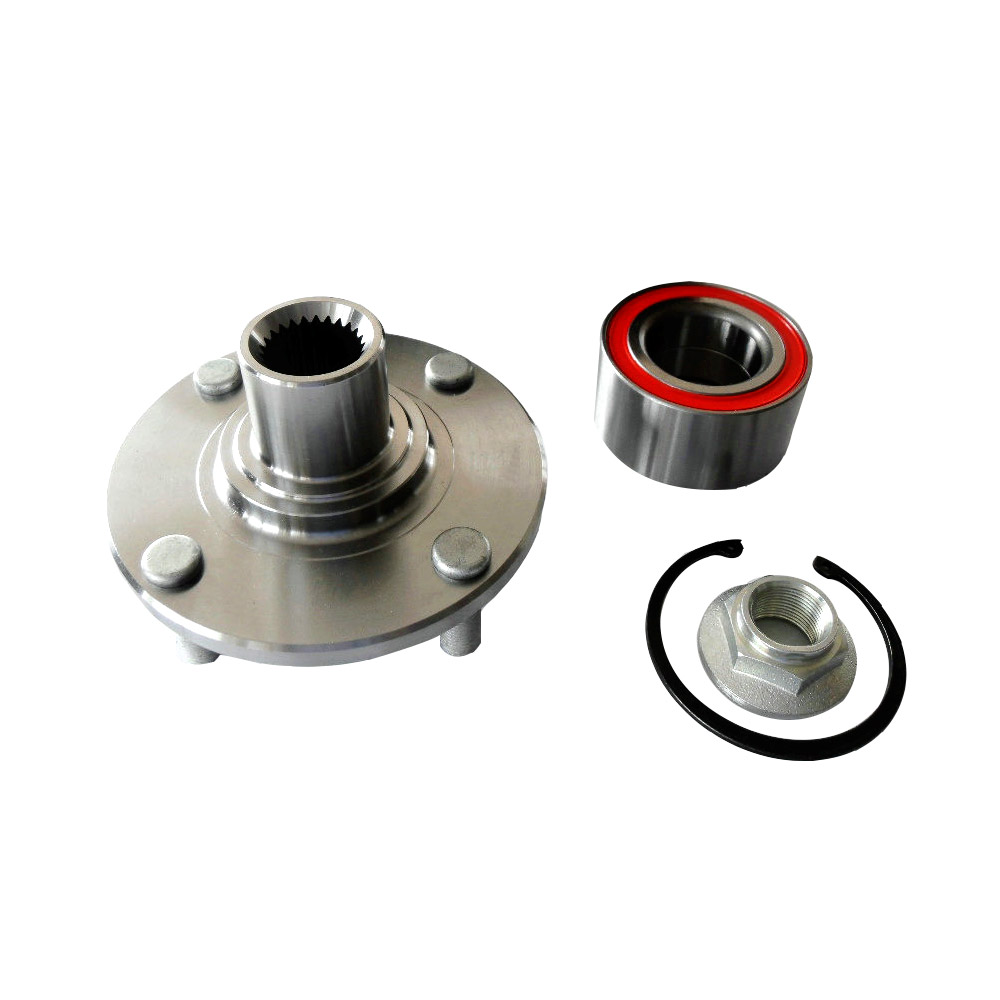
A wheel hub spindle kit is a complete assembly that combines the spindle, wheel bearing, and hub into a single replaceable unit. The spindle is the stationary shaft that the wheel and hub rotate around, while the hub holds the wheel bolts and provides the mounting surface for the wheel itself. In many vehicles, especially trucks and trailers, these components wear together, so manufacturers and aftermarket suppliers package them as a kit to simplify repairs and ensure compatible fitment between parts.
These kits are most commonly found on the front axles of trucks, vans, and trailers, particularly in setups that use a non-driven front axle or a trailer axle where the spindle does not rotate but instead serves as the fixed point around which the hub and bearings turn. Because the spindle bears the full weight of the vehicle at that wheel position, any wear, corrosion, or damage to the spindle surface can lead to premature bearing failure, making the kit format a practical solution for restoring the entire assembly at once.
How the Spindle and Hub Assembly Works
The spindle is typically bolted or pressed onto the axle beam or trailer axle tube and remains fixed in place. The hub, fitted with inner and outer wheel bearings, slides over the spindle and is secured with a spindle nut, washer, and cotter pin or locking mechanism. Grease or oil lubricates the bearing surfaces to reduce friction as the hub rotates around the stationary spindle. A seal at the inner end of the hub keeps lubricant in and contaminants such as water, dirt, and brake dust out.
When any part of this system degrades, whether it is a pitted spindle surface, worn bearing races, or a failed seal, the entire assembly can develop play, noise, or heat buildup. Because the components interact so closely, replacing only one worn part while leaving a damaged spindle in place often results in rapid failure of the new bearing, which is why complete kits are frequently recommended over replacing individual pieces.
Signs Your Wheel Hub Spindle Kit Needs Replacement
Recognizing the early symptoms of a failing hub spindle assembly can prevent more serious damage to the axle, brakes, or wheel itself. Common warning signs include the following.
- A grinding, humming, or growling noise that changes pitch with vehicle speed
- Noticeable wheel wobble or vibration felt through the steering wheel or floorboard
- Excessive play when the wheel is grabbed at the top and bottom and rocked by hand
- Visible grease leakage around the hub cap or wheel area
- Uneven tire wear caused by a wheel that is no longer aligned properly due to bearing slop
- A burning smell or unusually warm hub temperature after driving, indicating bearing friction
If any of these symptoms appear, it is advisable to inspect the assembly as soon as possible. Continuing to drive on a failing spindle or bearing can lead to the wheel separating from the vehicle in extreme cases, which poses a serious safety risk.
Wheel Hub Spindle Kit vs Individual Components
Vehicle owners often face a choice between purchasing a complete kit or sourcing individual parts separately. The table below outlines the practical differences to help guide that decision.
| Factor | Complete Kit | Individual Parts |
| Upfront Cost | Higher | Lower |
| Fitment Compatibility | Guaranteed match | Requires careful cross-checking |
| Labor Time | Single installation | May require repeat disassembly |
| Long Term Reliability | Higher, since wear is reset evenly | Variable, depending on remaining part condition |
| Best Use Case | Older or heavily worn axles | Newer axles needing a single part replaced |
For trailers and trucks with high mileage or visible corrosion on the spindle, a complete kit is usually the more cost effective choice over time, even though the initial price is higher than buying a single bearing or seal.

How to Choose the Right Replacement Kit
Confirm Vehicle and Axle Compatibility
Spindle dimensions, bolt patterns, and bearing sizes vary significantly between vehicle makes, models, and axle weight ratings. Before ordering, confirm the axle's gross axle weight rating, bolt circle measurement, and spindle diameter, since even small differences can prevent a kit from fitting correctly.
Check Bearing Type and Seal Design
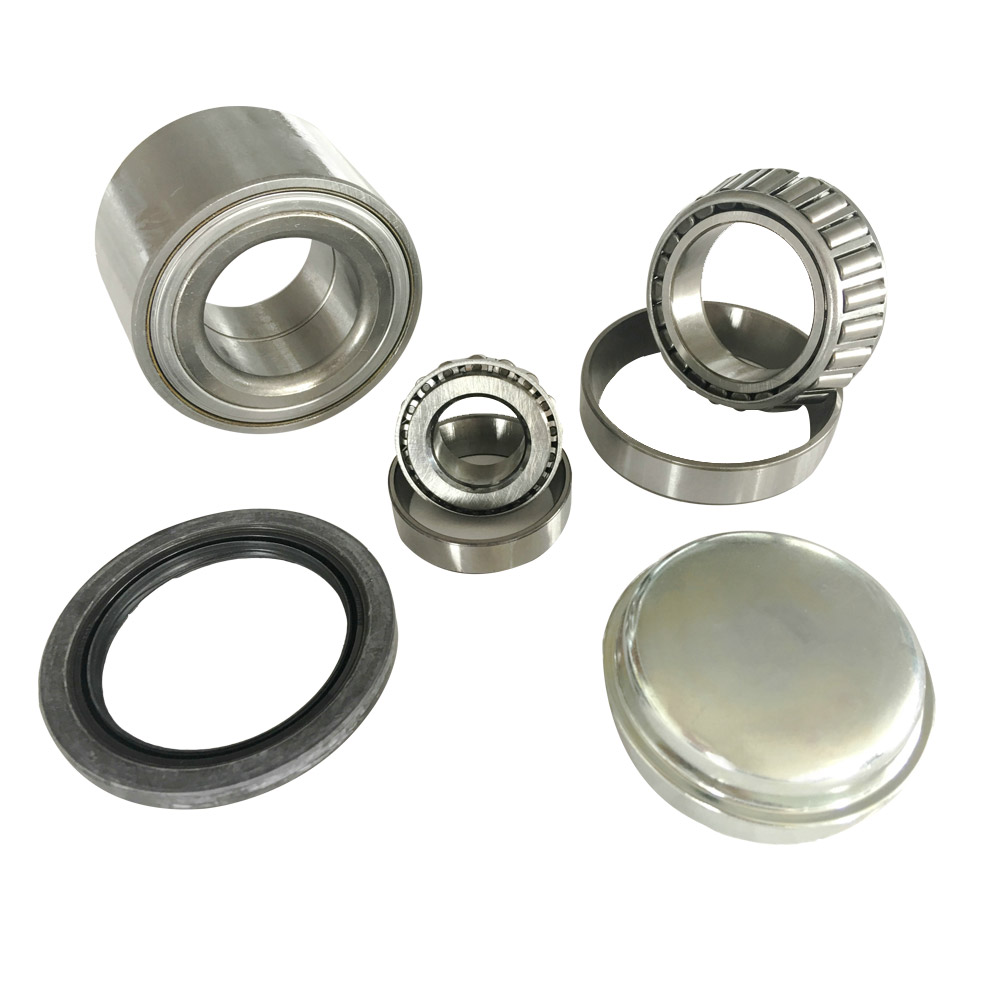
Some kits use tapered roller bearings, while others use ball bearings or sealed cartridge units. Tapered roller bearings are common on trailers and require periodic repacking with grease, whereas sealed units are often maintenance free but typically cannot be serviced once they fail. Choosing the design that matches the vehicle's original specification helps avoid compatibility issues with the hub cap and spindle nut.
Decide Between OEM and Aftermarket Options
Original equipment manufacturer kits typically match factory specifications exactly and may offer better long term durability, while aftermarket kits are often more affordable and widely available. Reading reviews and checking whether the kit includes high quality seals and a properly hardened spindle surface can help determine whether an aftermarket option will hold up under regular use.
Installation Considerations
Installing a wheel hub spindle kit involves removing the wheel, brake components, and old hub assembly before fitting the new spindle and torquing it to the manufacturer specified value. Proper torque is critical, since an overtightened spindle nut can cause premature bearing wear, while an undertightened nut can allow excessive play. Most kits include instructions specifying the correct torque sequence and any required break-in period for new bearings.
- Always pack tapered roller bearings with the correct grease type before installation if the kit is not pre-greased
- Inspect the brake components for wear while the hub is removed, since this is a convenient time to address related issues
- Use a torque wrench rather than estimating tightness by feel to avoid under or over tightening the spindle nut
- Replace the cotter pin or locking mechanism with a new one rather than reusing the old part
Maintenance Tips to Extend Lifespan
Routine maintenance can significantly extend the life of a wheel hub spindle kit. For trailers and vehicles with serviceable bearings, repacking grease every twelve months or after long trips through water crossings helps prevent corrosion and bearing wear. Checking for play during regular tire rotations also allows early detection of developing problems before they require a full kit replacement.
Keeping the hub cap properly sealed and inspecting it periodically for grease leakage or moisture intrusion further protects the internal components. By combining careful component selection with consistent maintenance, vehicle owners can maximize the service life of their wheel hub spindle kit and reduce the likelihood of unexpected roadside failures.
