


Content
- 1 What a Wheel Bearing Hub Assembly Unit Actually Is
- 2 Generations of Wheel Hub Assembly Design
- 3 Warning Signs of a Failing Wheel Bearing Hub Assembly
- 4 What Causes Wheel Bearing Hub Assemblies to Fail
- 5 How to Replace a Wheel Bearing Hub Assembly Unit
- 6 Choosing a Replacement Hub Assembly: OEM vs. Aftermarket
The wheel bearing hub assembly unit is one of the most structurally critical components in a vehicle's suspension and drivetrain system. It connects the wheel to the vehicle's knuckle or axle, supports the vehicle's weight, and in many modern vehicles integrates the ABS sensor and speed ring into a single sealed unit. When it fails, the consequences range from an annoying hum to a complete loss of wheel control. Understanding what this assembly is, how it works, what causes it to fail, and how to replace it correctly is essential knowledge for any vehicle owner or workshop technician.
What a Wheel Bearing Hub Assembly Unit Actually Is
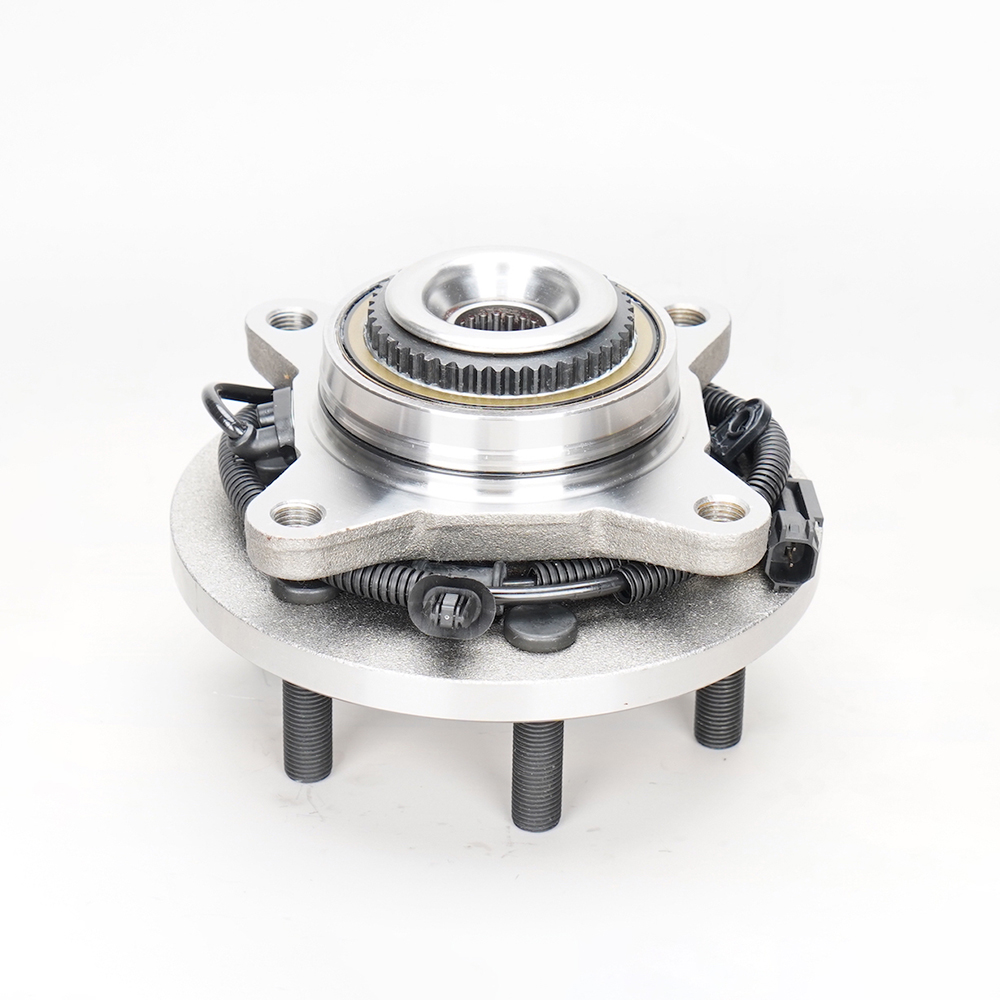
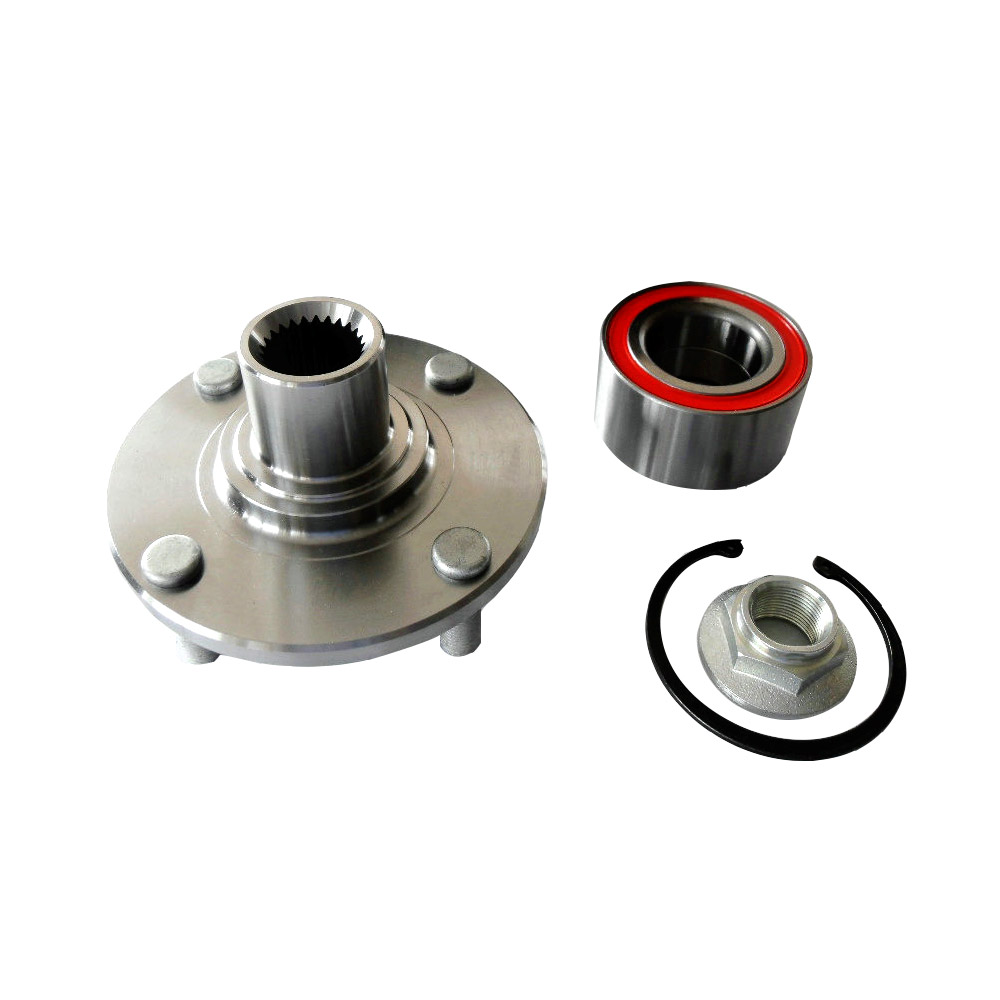
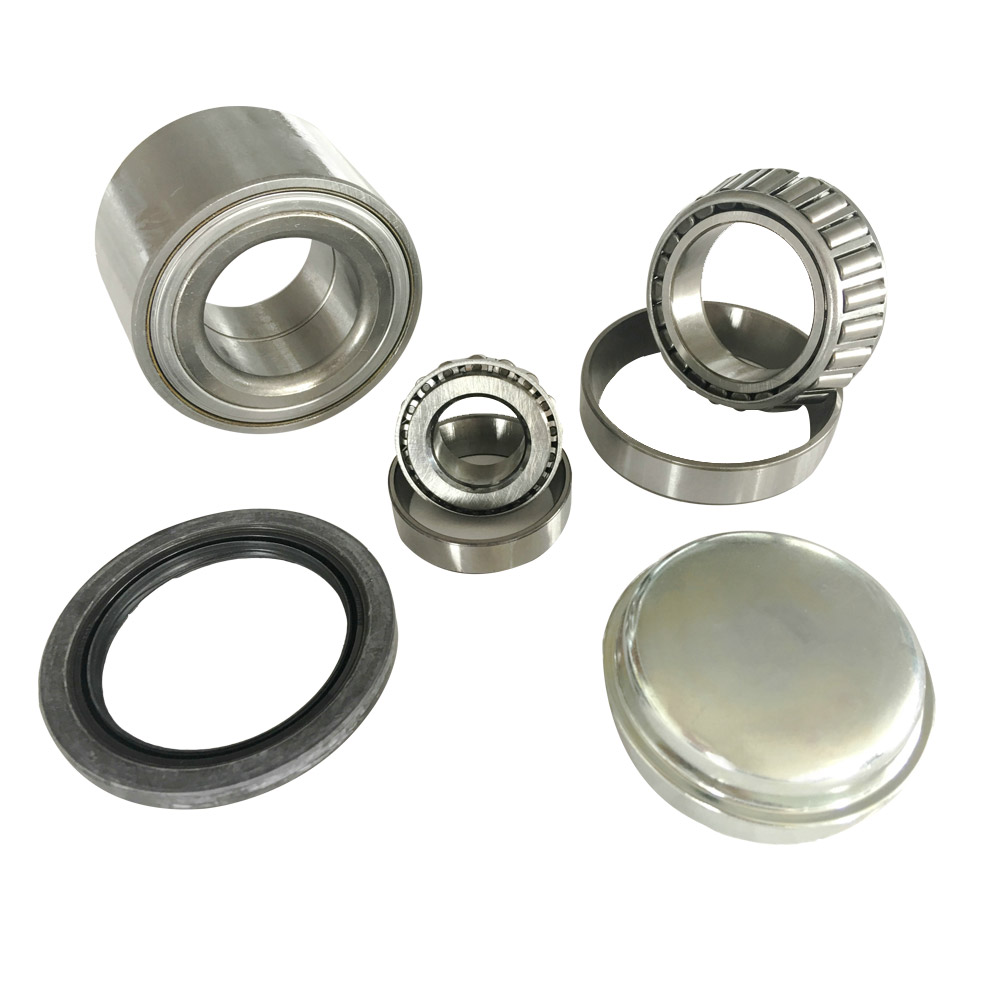
A wheel bearing hub assembly unit — also referred to as a hub bearing unit or wheel hub bearing — combines the wheel bearing and the hub flange into a single pre-assembled, pre-greased, and sealed component. Earlier vehicle designs used separate tapered roller bearings packed with grease and retained by a castle nut, requiring periodic adjustment and regreasing. The integrated hub assembly replaced this system with a sealed unit that requires no maintenance and is designed to be replaced as a complete assembly when it reaches the end of its service life.
The hub flange is the face to which the brake rotor and wheel are bolted. The inner bearing races press onto the stub axle or CV joint shaft, and the outer races press into the hub body. In Generation 3 (third-generation) hub assemblies, which are used on most modern front-wheel-drive and all-wheel-drive vehicles, the unit bolts directly to the steering knuckle with three or four mounting bolts and includes an integrated ABS tone ring and sensor seat. This design makes replacement straightforward but means the entire assembly must be discarded when any one component wears out.
Generations of Wheel Hub Assembly Design
Hub bearing units have evolved through three distinct generations, each representing an improvement in integration and serviceability.
| Generation | Construction | ABS Integration | Typical Fitment | Replacement |
| Gen 1 | Double-row angular contact, press-fit | None or external tone ring | Older front axles | Press required |
| Gen 2 | Sealed unit with integrated flange, press-fit | External tone ring | Rear non-driven axles | Press required |
| Gen 3 | Bolt-on sealed unit with dual flange | Integrated encoder ring | Most modern FWD/AWD vehicles | Bolt-on, no press needed |
Warning Signs of a Failing Wheel Bearing Hub Assembly
Recognizing the symptoms of a worn hub assembly early prevents the failure from progressing to a safety-critical situation. The bearing does not fail suddenly in most cases — it degrades progressively, and the symptoms change in character and severity as the wear increases.
Humming or Grinding Noise
The most common symptom is a continuous humming, rumbling, or grinding noise that changes with vehicle speed. Unlike road noise, bearing noise typically increases linearly with speed rather than varying with road surface. A useful diagnostic test is to load the suspect bearing by making a gentle lane change at highway speed: if the noise increases when weight shifts away from the suspect corner and decreases when weight loads it, the bearing on that corner is the likely source. The noise becomes a grinding sound as internal wear creates metal-to-metal contact between the races and rolling elements.
Steering Vibration and Looseness
As the bearing clearance increases beyond specification, the wheel develops lateral and axial play. This manifests as a vibration felt through the steering wheel, vague steering response, or a sensation that the vehicle is not tracking straight. With the vehicle safely on a lift and the wheel in the air, grabbing the tire at the 12 and 6 o'clock positions and attempting to rock it will reveal vertical play caused by bearing wear. Grabbing at 9 and 3 o'clock tests for horizontal play, which is more often caused by tie rod or ball joint wear rather than the bearing.

ABS Warning Light
On vehicles with a Gen 3 hub assembly, the integrated ABS encoder ring is part of the bearing unit. As the bearing wears, the encoder ring can become misaligned relative to the ABS sensor, or the ring itself can be damaged by corrosion or debris. This triggers the ABS warning light and, in many cases, disables the ABS system entirely. If an ABS fault code points to a wheel speed sensor signal fault and the sensor itself tests within specification, the hub assembly is the likely cause of the erratic or absent signal.
Uneven Tire Wear
Excessive bearing play allows the wheel to run slightly out of alignment under load, accelerating inner or outer tire wear on the affected corner. If one tire shows unusual wear that cannot be corrected by alignment adjustments, checking the hub assembly for play should be part of the diagnostic process before fitting new tires.
What Causes Wheel Bearing Hub Assemblies to Fail
Hub assemblies are designed to last between 150,000 and 300,000 kilometers under normal conditions, but several factors accelerate wear significantly.
- Impact damage: Hitting a pothole or curb at speed sends a sharp shock load through the bearing that can immediately crack or indent the races, creating the starting point for spalling and accelerated wear.
- Seal failure: The sealed unit relies on its lip seals to keep grease in and water, road salt, and grit out. Once a seal degrades — often due to age or chemical exposure from aggressive cleaning products — contamination enters the bearing and destroys the lubricant film rapidly.
- Incorrect installation torque: Replacing a hub assembly requires the hub nut or mounting bolts to be torqued to the manufacturer's specification. Under-torquing creates movement at the mounting interface that fatigues the bearing, while over-torquing preloads the bearing beyond design limits and generates heat that degrades the grease.
- Corrosion at the knuckle bore: In vehicles operating in winter road salt environments, corrosion between the hub assembly and the steering knuckle bore can cause the outer race to corrode into the knuckle. This puts uneven stress on the bearing and can cause premature failure of a newly fitted unit if the bore surface is not cleaned and treated before installation.
- Wheel imbalance or misalignment: Running a vehicle for an extended period with an out-of-balance wheel or significantly incorrect wheel alignment increases cyclic loading on the bearing, wearing it faster than under normal balanced conditions.
How to Replace a Wheel Bearing Hub Assembly Unit
On vehicles with a Gen 3 bolt-on hub assembly, replacement is a task accessible to a competent home mechanic with the right tools. The general procedure involves removing the wheel, unbolting the brake caliper and rotor, disconnecting the ABS sensor wiring harness, removing the axle nut, and unbolting the three or four hub mounting bolts from behind the knuckle. The old hub slides off the CV shaft, and the new unit installs in reverse order. The axle nut must be replaced with a new unit — reusing a stretched axle nut is a safety risk — and torqued to the vehicle-specific value, typically between 180 and 280 Nm depending on the application.
Before fitting the new assembly, the knuckle bore surface should be wire-brushed to remove corrosion and treated with an anti-seize compound on the contact surfaces. This prevents the new hub from corroding into the knuckle and makes future replacements significantly easier. After installation, the ABS system should be scanned to confirm the new encoder ring is generating a clean signal at all four wheels before returning the vehicle to service.
Choosing a Replacement Hub Assembly: OEM vs. Aftermarket
The replacement market for hub assemblies is large, and quality varies considerably. OEM and OEM-equivalent parts from suppliers like SKF, Timken, FAG, and NSK are manufactured to the same dimensional and material specifications as the original equipment and carry verified load ratings. Budget aftermarket units often have softer steel races, less precise bearing clearances, and inferior seals — factors that are invisible at the point of purchase but result in a service life of 40,000 to 60,000 kilometers rather than the 150,000-plus expected from a quality unit.
When sourcing a replacement, confirm the part number against the vehicle's VIN or axle code, not just the make, model, and year. Many vehicles use different hub assemblies across production runs, trim levels, or driven versus non-driven axles. Installing a hub rated for a non-driven axle on a driven axle — or vice versa — will result in immediate failure, since the internal bore diameter and load rating differ between the two applications. A few minutes of verification at the point of purchase prevents a repeat job and ensures the assembly performs as designed throughout its intended service life.
