


Content
- 1 What Is a Wheel Hub Unit and What Does It Do?
- 2 Key Components Inside a Wheel Hub Unit
- 3 The Three Generations of Wheel Hub Units
- 4 Comparison of Hub Unit Generations at a Glance
- 5 How Wheel Hub Units Differ by Vehicle Position
- 6 Signs That a Wheel Hub Unit Is Failing
- 7 What Causes Wheel Hub Units to Wear Out
- 8 Choosing the Right Replacement Hub Unit
What Is a Wheel Hub Unit and What Does It Do?
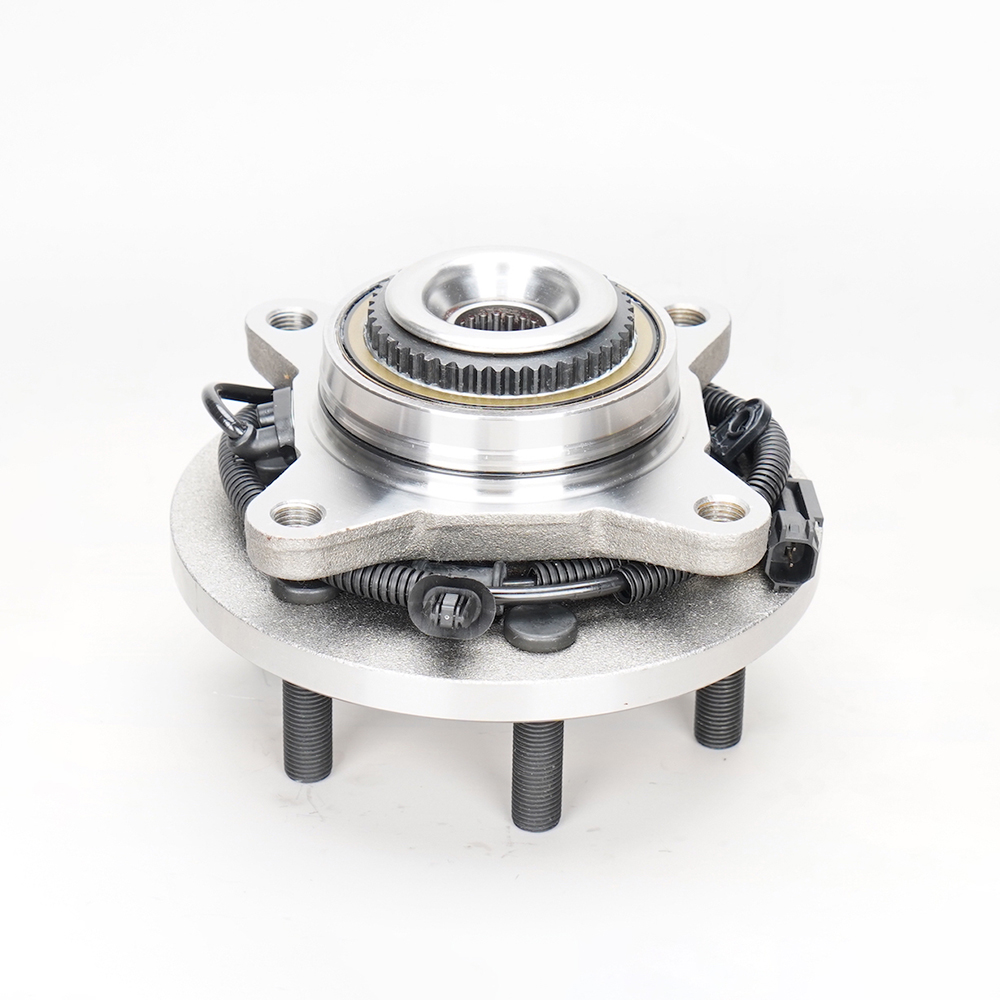
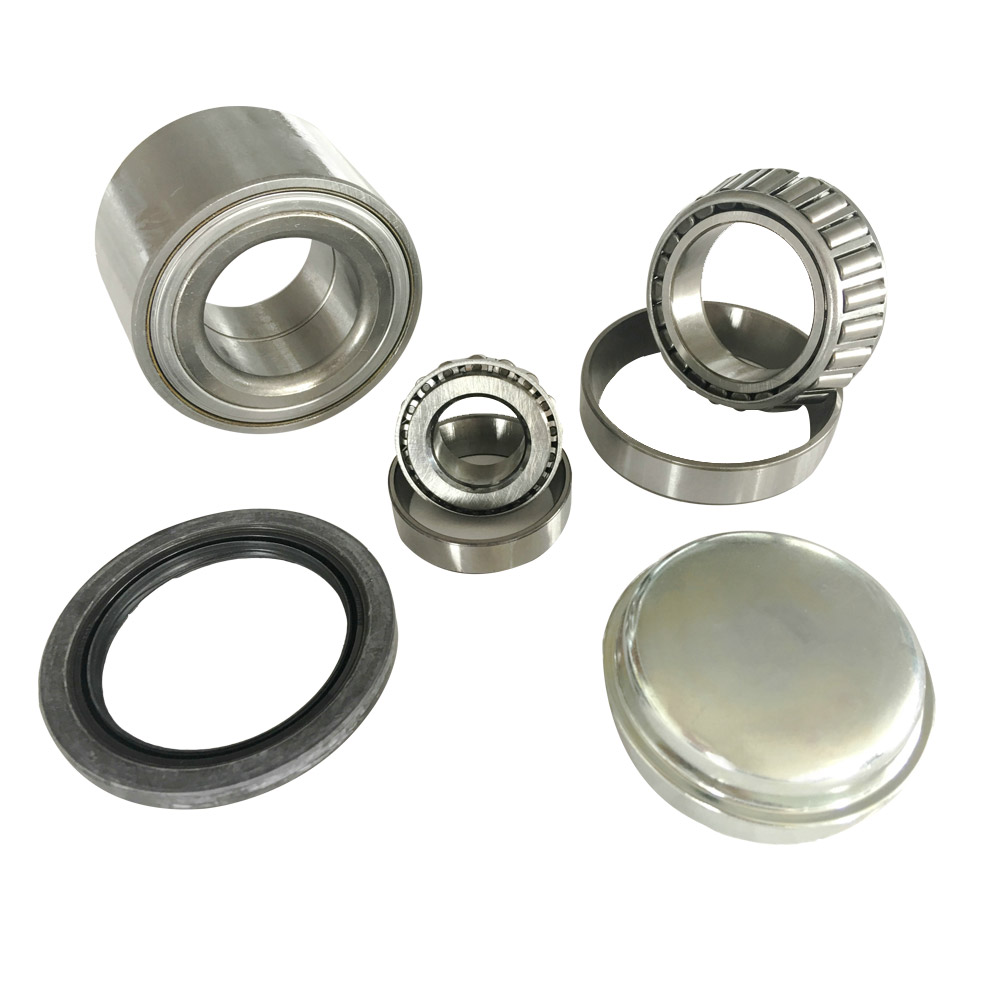
A wheel hub unit is a pre-assembled bearing component that connects a vehicle's wheel to its suspension system while allowing the wheel to rotate freely. It serves as the central mounting point for the wheel and tire assembly, carrying the full weight of the vehicle on that corner while managing both radial loads (vertical weight) and axial loads (side forces from cornering). In modern vehicles, the wheel hub unit has largely replaced the older serviceable bearing system — where loose bearings, races, and seals were packed with grease and adjusted individually — with a sealed, maintenance-free cartridge that integrates all those components into one compact unit.
Beyond simply allowing the wheel to spin, advanced hub units also house wheel speed sensors used by the ABS (anti-lock braking system), traction control, and stability control systems. The sensor ring is built directly into the bearing seal, making the hub unit a critical electronic component as well as a mechanical one. When a hub unit fails, it can compromise both ride quality and the safety systems that depend on accurate wheel speed data.
Key Components Inside a Wheel Hub Unit
Understanding what's inside a hub unit helps explain why they fail and what to look for during diagnosis. While the external appearance is a simple flanged housing, the internal construction is precisely engineered.
- Inner and outer bearing races — hardened steel rings that form the rolling track for the bearing elements. The inner race rotates with the wheel; the outer race is fixed to the knuckle.
- Rolling elements — typically balls or tapered rollers arranged in one or two rows, depending on the generation of hub unit. These carry the load between the inner and outer races.
- Cage or retainer — a precision component that keeps the rolling elements evenly spaced and prevents them from contacting each other under load.
- Seals — multi-lip rubber or PTFE seals on both sides of the bearing that keep grease in and contaminants out. Seal failure is the most common cause of hub unit wear.
- Flange — the flat mounting face with bolt holes where the wheel and brake rotor or drum attach.
- ABS encoder ring (tone ring) — a magnetic or toothed ring integrated into the bearing seal that generates the signal read by the wheel speed sensor.
The Three Generations of Wheel Hub Units
Hub unit technology has evolved through three distinct generations since the 1980s, each offering improvements in integration, durability, and ease of service. Knowing which generation your vehicle uses is important when sourcing replacements.
Generation 1 (HBU1) — Press-Fit Cartridge
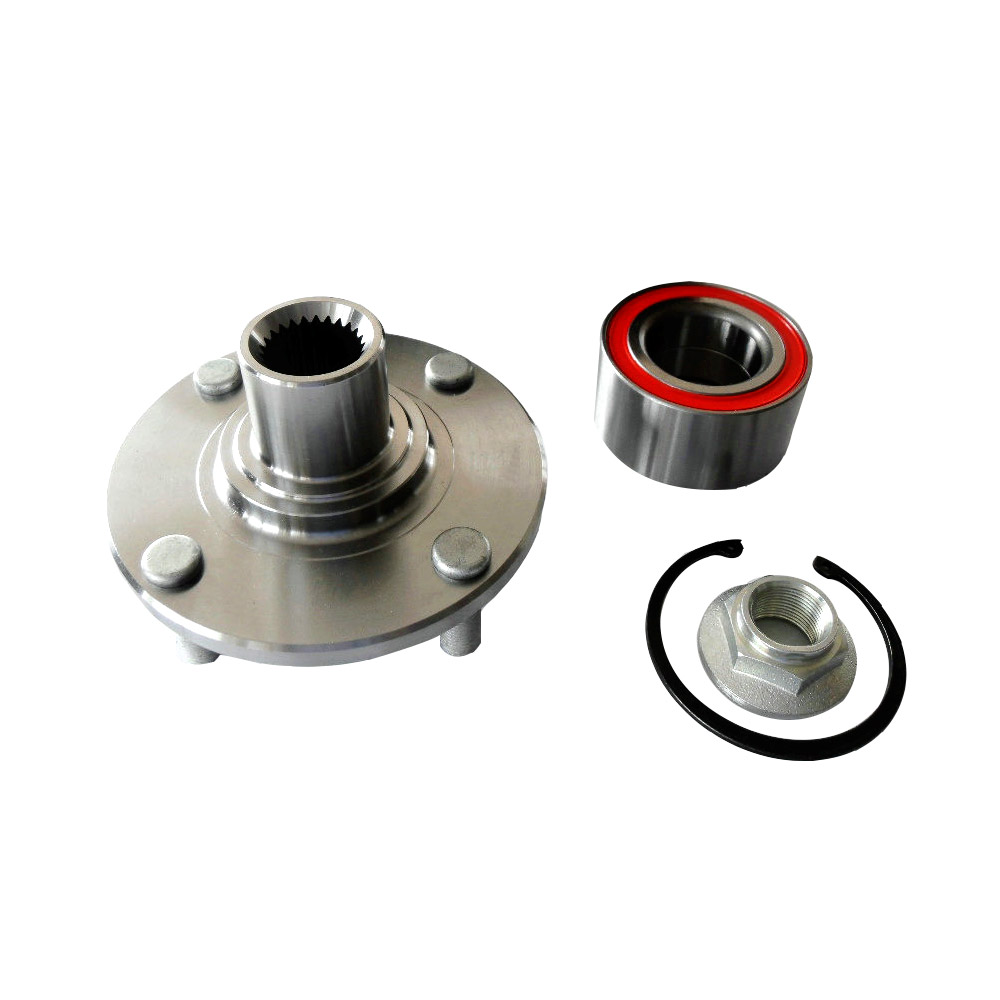
The first generation hub unit is a sealed double-row bearing that presses into the steering knuckle rather than bolting to it. The wheel flange is separate from the bearing itself. HBU1 units are common on older vehicles from the late 1980s through the mid-1990s and require a hydraulic press to install and remove. They are lighter and more compact than earlier loose-bearing setups, but they require more labor to replace because the knuckle must often be removed from the vehicle to press the bearing in and out correctly.
Generation 2 (HBU2) — Bolt-On Hub Unit
Second generation units integrate the bearing and the wheel flange into a single assembly that bolts directly to the steering knuckle using three or four bolts. This design eliminates the need for a press and makes replacement significantly faster — a mechanic can remove and install an HBU2 unit with standard hand tools. This generation became widespread through the 1990s and 2000s and remains common on many current production vehicles. ABS sensor rings are typically integrated into the seal on this generation.
Generation 3 (HBU3) — Corner Module Unit
The third generation represents the highest level of integration. HBU3 units combine the wheel bearing, hub flange, and the inner CV joint of the driveshaft into a single assembly. They bolt directly to the knuckle and are common on driven axles (front-wheel-drive front axles and rear-wheel-drive rear axles) on vehicles from the 2000s onward. They are the most expensive to replace but offer the most compact and lightweight design. Some HBU3 units also integrate the ABS sensor electronically rather than using a passive tone ring, allowing more precise wheel speed measurement.

Comparison of Hub Unit Generations at a Glance
| Feature | HBU1 | HBU2 | HBU3 |
| Flange integrated | No | Yes | Yes |
| CV joint integrated | No | No | Yes |
| ABS sensor | Optional | Integrated | Integrated |
| Installation method | Press-fit | Bolt-on | Bolt-on |
| Typical service difficulty | High | Low | Medium |
How Wheel Hub Units Differ by Vehicle Position
Hub units are not interchangeable between positions on a vehicle. The design varies based on whether the wheel is driven or non-driven, steered or non-steered, and what type of braking system is fitted.
Front Driven Axle (FWD Vehicles)
On front-wheel-drive vehicles, the front hub unit must accommodate both steering movement and the torque transmitted through the CV axle. These units have a hollow center bore through which the CV axle shaft passes and is retained by a large axle nut. They are engineered to handle the combined stress of steering inputs and drive forces simultaneously, making them one of the more heavily loaded hub positions on any vehicle.
Rear Driven Axle (RWD and AWD Vehicles)
Rear hub units on driven axles are similar in construction to front driven units but do not require accommodation for steering geometry. On AWD vehicles, all four corners may use driven hub units, meaning any of the four can be an HBU3-type with integrated CV joint interfaces. Load ratings on rear units vary significantly between passenger cars and trucks or SUVs, so always confirm load specifications when selecting a replacement.
Non-Driven (Passive) Axle
On the non-driven axle — typically the rear on FWD vehicles or the front on RWD vehicles — the hub unit does not need to transmit drive torque. These units are simpler, lighter, and less expensive than their driven counterparts. They still house ABS encoder rings and must handle lateral and radial loads, but they lack the hollow center bore and the more complex sealing arrangements required for a CV shaft.
Signs That a Wheel Hub Unit Is Failing
Hub units wear gradually, and the symptoms often develop slowly before becoming severe. Catching failure early prevents damage to adjacent components like the CV axle, knuckle, and brake rotor.
- Grinding or rumbling noise — a continuous growling or grinding sound that changes with vehicle speed is the most common symptom. The noise often gets louder during turns as load shifts onto the worn bearing.
- Vibration through the steering wheel or floor — internal bearing wear creates uneven rolling, which transmits as vibration, particularly at highway speeds.
- ABS warning light — a failing encoder ring or a hub unit with excessive play can generate erratic wheel speed signals, triggering the ABS or stability control warning light.
- Loose or wobbly wheel — significant internal play in the bearing allows the wheel to move laterally when rocked by hand with the vehicle raised. Any detectable movement indicates the unit needs immediate replacement.
- Uneven tire wear — bearing play allows the wheel to run at a slight angle, causing the tire to wear on one edge faster than the other.
What Causes Wheel Hub Units to Wear Out
Most hub units are designed to last between 85,000 and 100,000 miles under normal driving conditions, but several factors can shorten their service life considerably. Driving through deep water regularly forces moisture past the bearing seals, contaminating the grease and accelerating corrosion of the rolling elements. Pothole impacts and curb strikes subject the bearing to sudden shock loads far beyond their design limits, cracking races or displacing rolling elements. Improperly torqued axle nuts — either over-tightened or under-tightened — alter the bearing preload and cause premature wear.
Vehicle modifications that increase wheel offset or add spacers also reduce hub unit life by increasing the moment arm of the load on the bearing. Lifted trucks and lowered vehicles experience higher lateral loads on the hub unit than the factory design accounted for, which is why these vehicles often require more frequent hub unit replacement than stock-height counterparts.
Choosing the Right Replacement Hub Unit
When replacing a hub unit, always match the part to the vehicle's exact year, make, model, and drivetrain configuration. The same vehicle platform may use different hub units depending on whether it is front-wheel drive, all-wheel drive, or rear-wheel drive, and whether it is fitted with ABS. Using a hub unit without the correct ABS encoder ring for a vehicle that requires it will disable the ABS system and trigger dashboard warning lights.
OEM (original equipment manufacturer) units offer the most reliable fitment but carry a premium price. Quality aftermarket brands such as SKF, Timken, Moog, and FAG manufacture hub units to OEM specifications and are widely considered acceptable alternatives. Avoid unbranded or very low-cost units, which frequently use inferior bearing steel, inadequate seals, and imprecise encoder rings — leading to premature failure and repeated replacement costs that far exceed the initial savings.
