


Content
- 1 Core Components and Structural Design
- 2 Types of Wheel Bearing Hub Assembly Units
- 3 Materials and Manufacturing Quality
- 4 Role in Vehicle Safety and Performance
- 5 Common Symptoms of a Failing Hub Assembly
- 6 Installation and Replacement Considerations
- 7 Selecting the Right Wheel Bearing Hub Assembly Unit
- 8 Maintenance and Service Life Expectations
- 9 Conclusion: Why Hub Assembly Units Matter
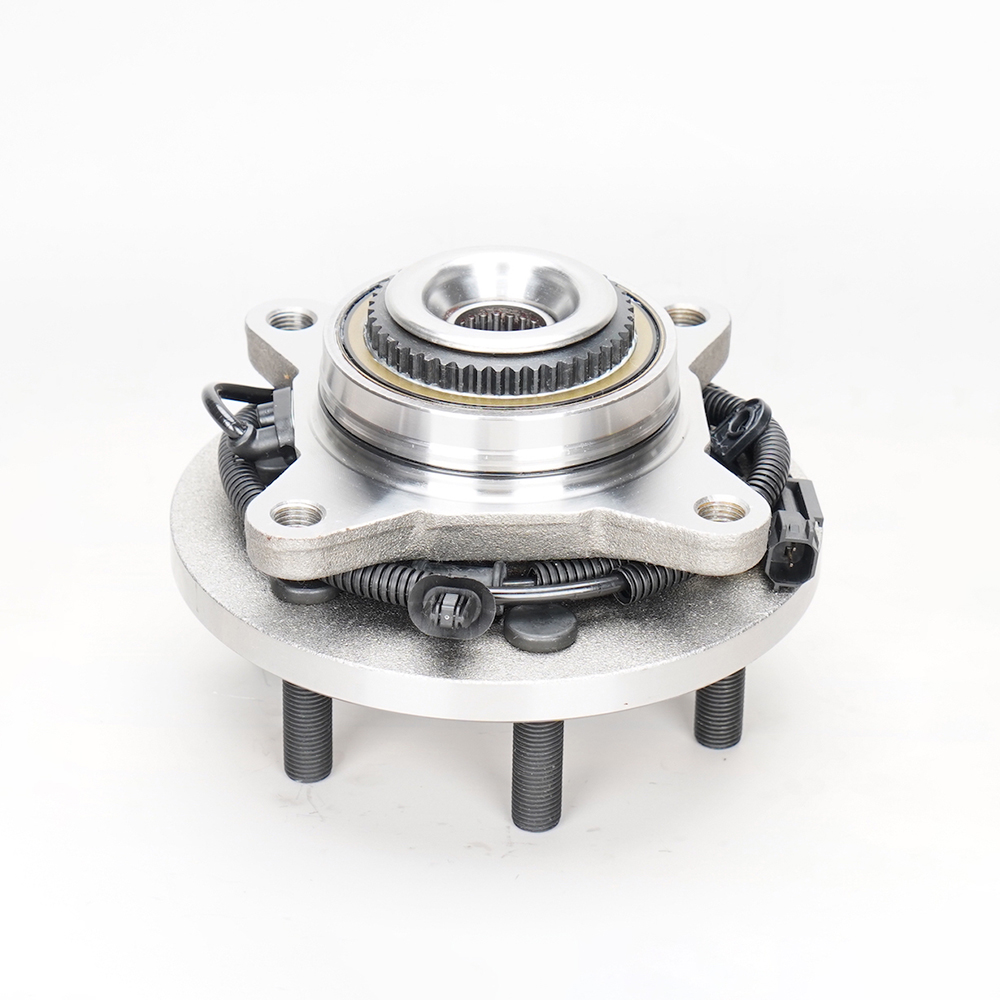
A wheel bearing hub assembly unit is an integrated automotive component that combines the wheel hub, bearing, mounting flange, and often the wheel speed sensor into a single pre-assembled unit. It is designed to support the vehicle’s weight, allow smooth wheel rotation, and maintain precise alignment between the wheel and suspension system. Compared with traditional serviceable bearings, hub assemblies simplify installation and improve overall reliability.
From an application perspective, wheel bearing hub assembly units are widely used in modern passenger cars, SUVs, light trucks, and commercial vehicles. They are engineered to meet strict durability and safety requirements, especially in vehicles equipped with ABS, traction control, and electronic stability systems.
Core Components and Structural Design
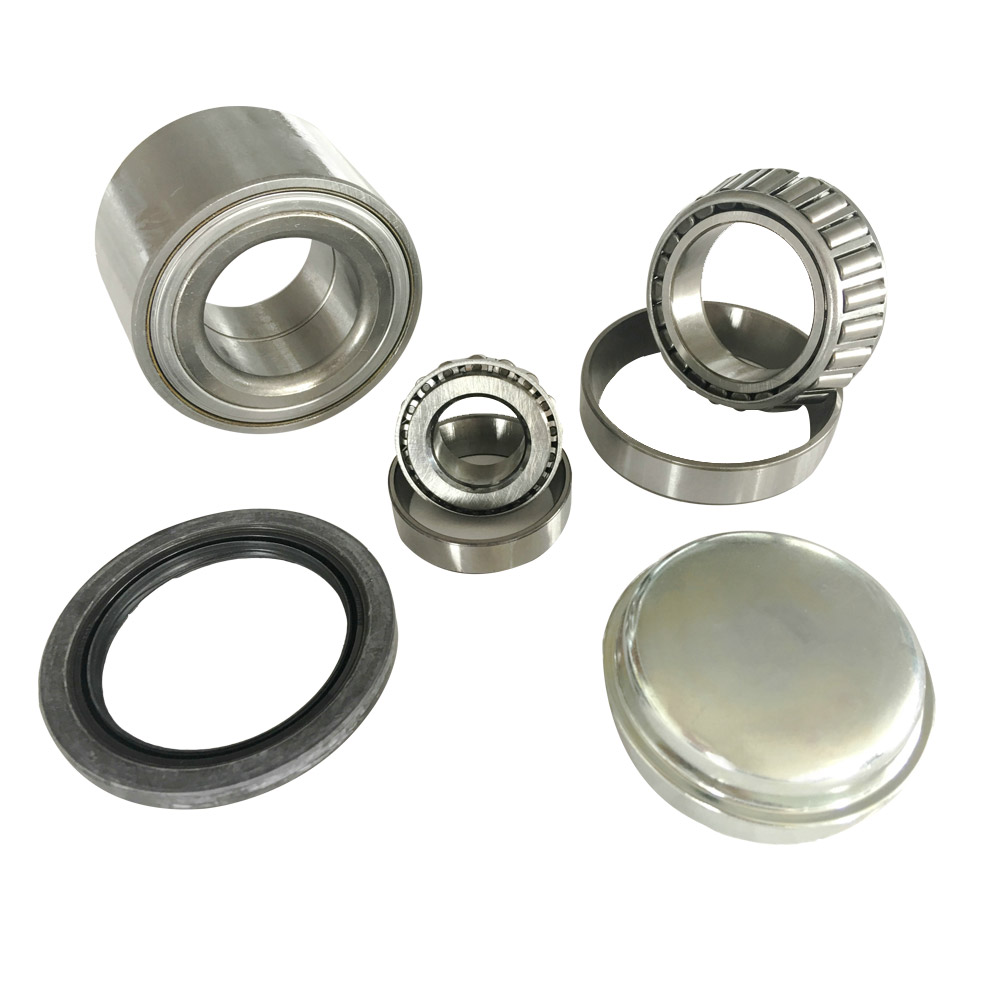
A wheel bearing hub assembly unit consists of several precision-engineered elements that work together as a single module. The bearing itself is usually a double-row ball or tapered roller bearing, preloaded and sealed at the factory to ensure optimal performance throughout its service life.
Main Functional Elements
- Wheel hub flange for mounting the wheel and brake rotor
- Integrated bearing with factory-set preload
- Sealed housing to retain lubrication and block contaminants
- Optional ABS or wheel speed sensor
This integrated design reduces assembly errors during vehicle production and aftermarket repairs, while also ensuring consistent bearing performance under varying loads and driving conditions.
Types of Wheel Bearing Hub Assembly Units
Wheel bearing hub assemblies are categorized based on their generation and functional complexity. Each generation reflects advances in vehicle technology and manufacturing efficiency.
| Generation | Key Features | Typical Applications |
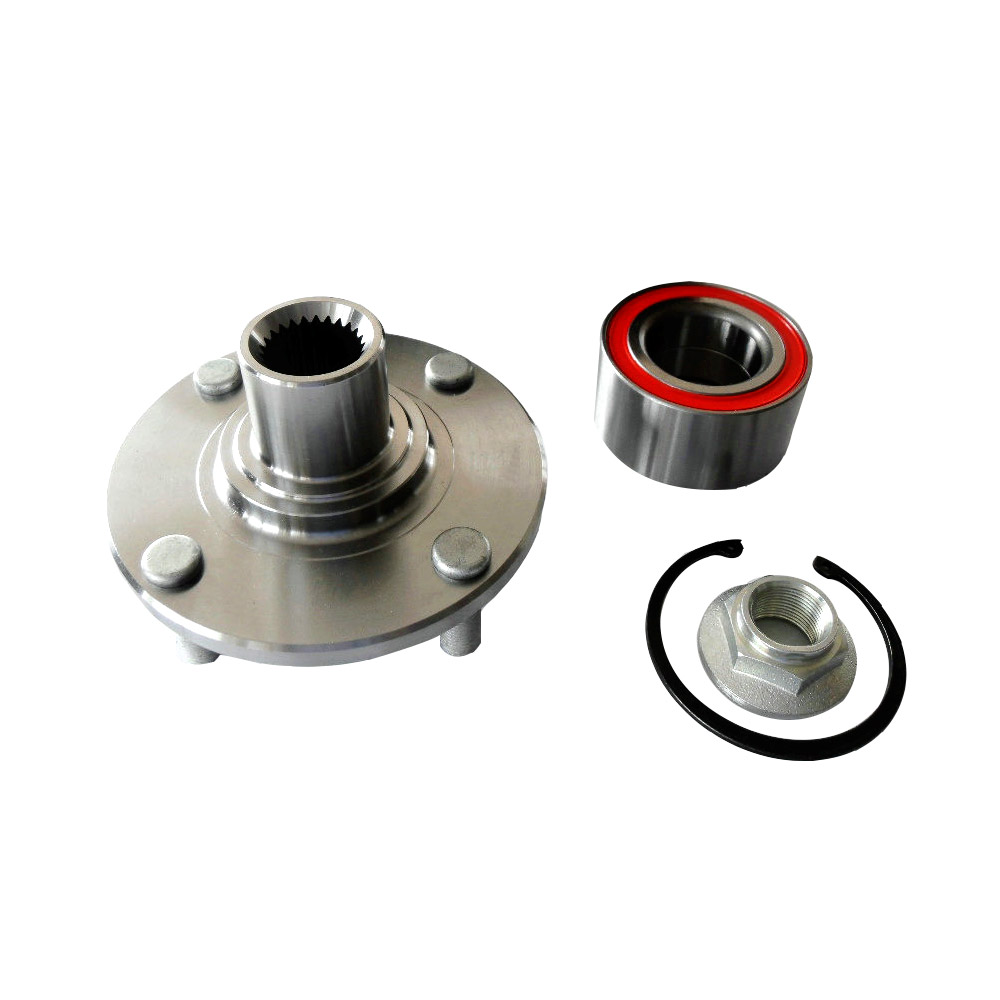
| Gen 1 | Bearing only, press-fit | Older vehicle platforms |
| Gen 2 | Integrated hub and bearing | Modern passenger cars |
| Gen 3 | Hub, bearing, and sensor | ABS and stability systems |
Understanding these types helps technicians and buyers select the correct unit for specific vehicle models and performance requirements.
Materials and Manufacturing Quality
High-quality wheel bearing hub assembly units are manufactured from hardened alloy steel or high-carbon steel to withstand heavy radial and axial loads. Precision heat treatment ensures optimal hardness and fatigue resistance, while advanced grinding processes maintain tight tolerances.
Seals and lubrication play a critical role in durability. Most hub assemblies are filled with long-life grease and use multi-lip seals to protect against water, dust, and road debris. Inferior materials or poor sealing design can significantly shorten service life.
Role in Vehicle Safety and Performance
The wheel bearing hub assembly unit directly affects steering precision, braking stability, and ride comfort. A properly functioning unit ensures smooth wheel rotation with minimal friction, which contributes to fuel efficiency and reduced tire wear.
In vehicles equipped with ABS or electronic stability control, the integrated wheel speed sensor provides critical data to onboard control systems. Any degradation in the hub assembly can lead to inaccurate sensor signals, potentially compromising safety systems.
Common Symptoms of a Failing Hub Assembly
Recognizing early signs of wheel bearing hub assembly failure helps prevent secondary damage and costly repairs. Symptoms often become more noticeable as vehicle speed increases.
- Humming, grinding, or growling noise from the wheel area
- Vibration felt through the steering wheel or floor
- ABS warning light illumination
- Uneven tire wear or wheel looseness
Ignoring these symptoms can lead to wheel lock-up or detachment in extreme cases, highlighting the importance of timely diagnosis and replacement.
Installation and Replacement Considerations
One advantage of wheel bearing hub assembly units is simplified installation. Since the bearing is pre-assembled and preloaded, there is no need for specialized bearing presses or adjustment procedures during replacement.
However, correct installation torque and alignment remain critical. Improper tightening of mounting bolts or axle nuts can cause premature bearing failure. Always follow manufacturer specifications and use calibrated tools to ensure consistent results.
Selecting the Right Wheel Bearing Hub Assembly Unit
Choosing the correct wheel bearing hub assembly unit involves more than matching vehicle make and model. Load capacity, sensor compatibility, and driving conditions should also be considered, especially for commercial or high-performance vehicles.
Reputable manufacturers provide detailed specifications and testing certifications, which help ensure compatibility and long-term reliability. Investing in a quality unit often reduces total ownership cost by minimizing repeat repairs.

Maintenance and Service Life Expectations
Wheel bearing hub assembly units are typically maintenance-free, as they are sealed and lubricated for life. Under normal driving conditions, a high-quality unit can last well over 100,000 kilometers.
Factors such as heavy loads, poor road conditions, water intrusion, and aggressive driving can shorten service life. Regular vehicle inspections help identify early issues and maintain optimal performance.
Conclusion: Why Hub Assembly Units Matter
The wheel bearing hub assembly unit is a vital component that directly influences vehicle safety, comfort, and efficiency. Its integrated design simplifies installation while delivering consistent, factory-set performance.
By understanding structure, types, symptoms, and selection criteria, technicians and vehicle owners can make informed decisions that ensure reliable operation and long-term value from their wheel bearing hub assembly units.
