


Content
Wheel hub bearings are critical components of a vehicle's suspension and wheel assembly, allowing wheels to rotate smoothly while supporting the vehicle's weight. A failing wheel hub bearing can compromise vehicle safety, reduce performance, and lead to more expensive repairs if ignored. Understanding the signs of a failing wheel hub bearing is essential for timely maintenance and replacement. This article explores the most common symptoms, causes, inspection methods, and preventive measures for wheel hub bearing issues.
What Is a Wheel Hub Bearing?
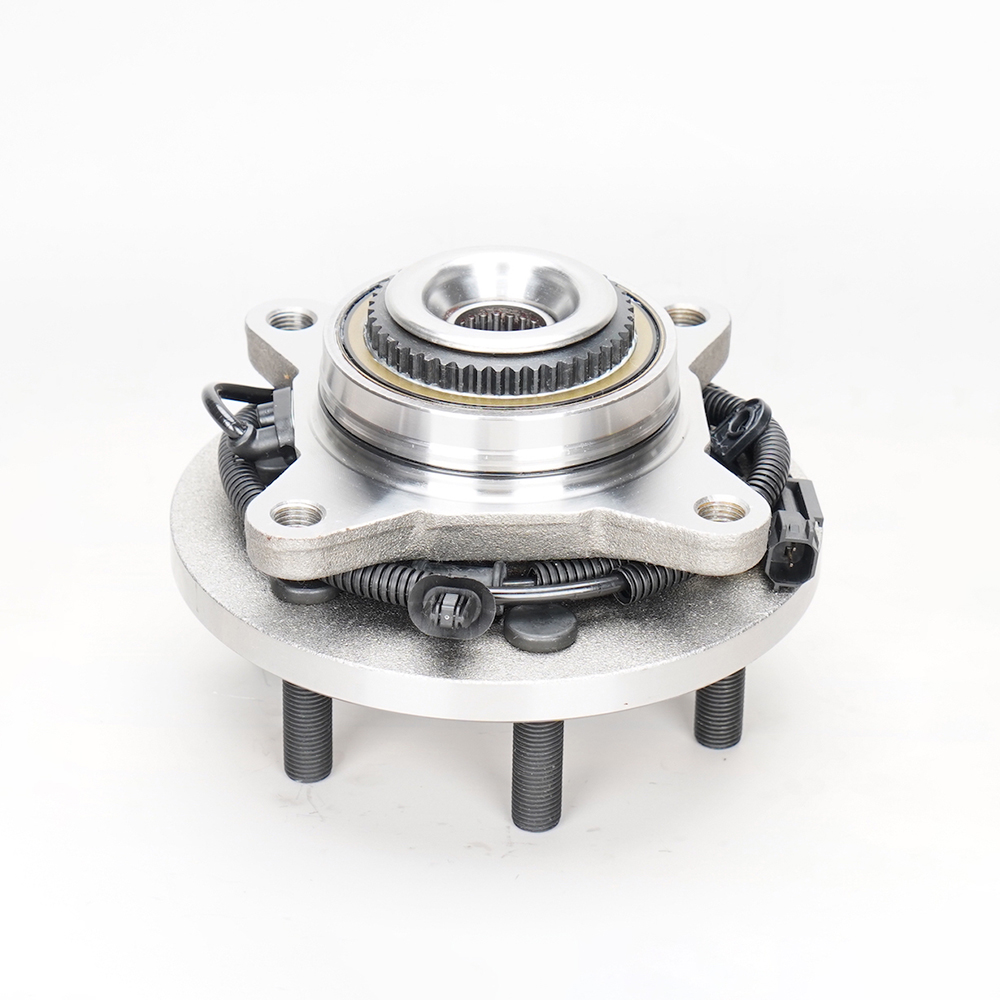
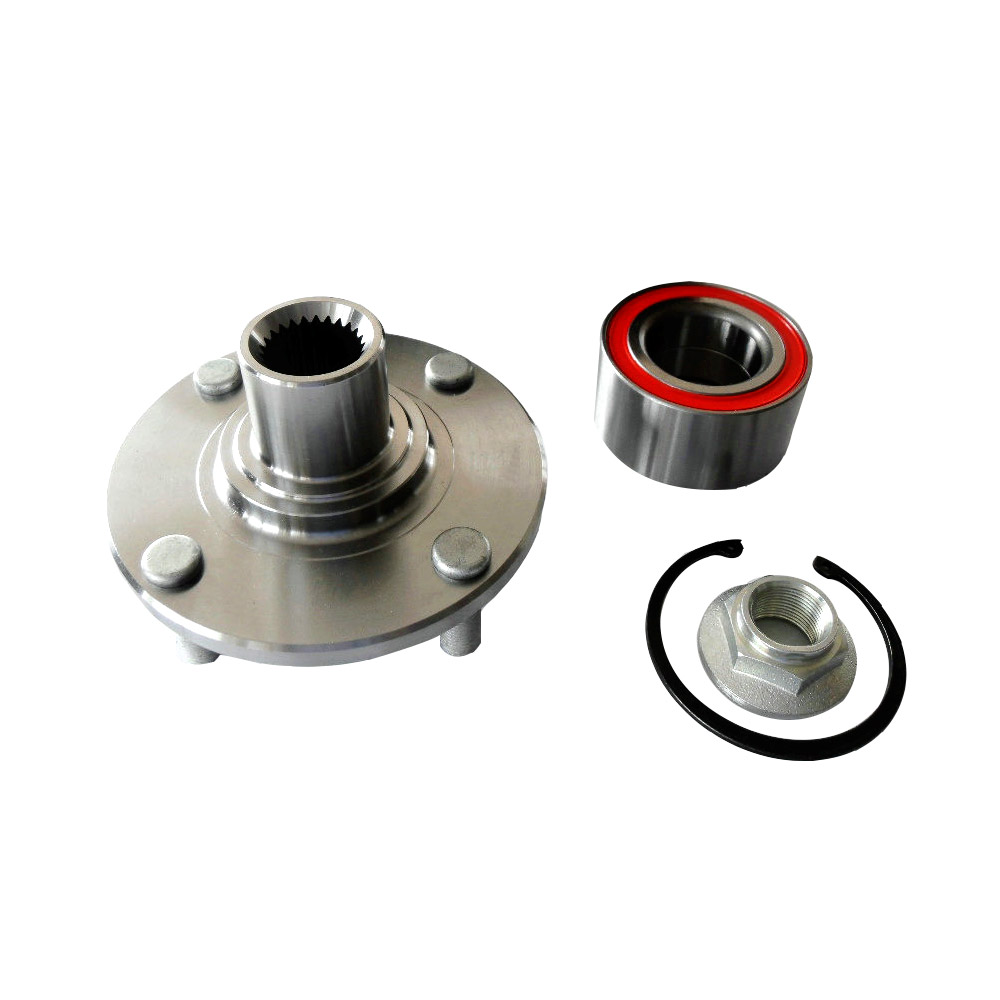
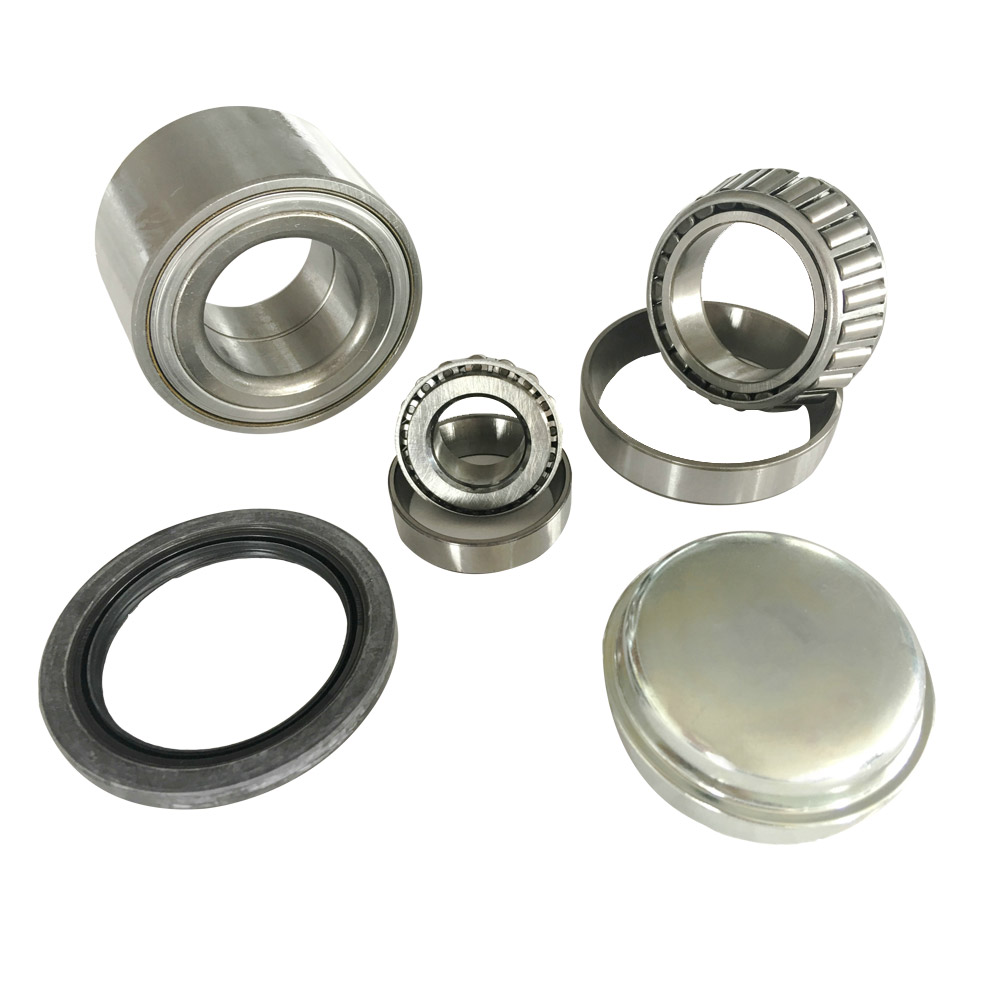
A wheel hub bearing is a set of steel balls or rollers held together by a metal ring, which fits inside a hub assembly. It allows the wheel to rotate freely while supporting the vehicle's weight and maintaining alignment. Modern vehicles often use a sealed hub bearing assembly, combining the hub and bearing into a single unit, which reduces maintenance needs but makes timely replacement critical once wear occurs.
Proper functioning of the wheel hub bearing ensures smooth wheel rotation, precise steering response, and stability at high speeds. A damaged bearing affects handling, braking, and overall vehicle safety.

Common Signs of a Failing Wheel Hub Bearing
Recognizing early signs of a failing wheel hub bearing can prevent further damage and costly repairs. The most common indicators include:
Unusual Wheel Noise
One of the first signs of a worn wheel hub bearing is a humming, growling, or grinding noise coming from the wheel area. The sound often increases with speed and may change or disappear when turning. Unlike tire noise, bearing noise is continuous and can often be localized by listening carefully while driving at different speeds.
Vibration and Steering Issues
A failing wheel hub bearing can cause vibrations felt through the steering wheel, particularly at higher speeds. The vehicle may pull slightly to one side, or steering may feel less precise. In severe cases, the vibrations can become noticeable in the vehicle's chassis, making driving uncomfortable and potentially unsafe.
Uneven Tire Wear
Wheel hub bearing issues can lead to uneven tire wear. Excessive play in the bearing causes the wheel to wobble, resulting in uneven tread patterns or accelerated wear on one side of the tire. Monitoring tire condition regularly can help identify early bearing problems.
ABS and Warning Light Activation
Many modern vehicles integrate wheel speed sensors into the wheel hub bearing assembly. A failing bearing can disrupt the sensor's signal, triggering the ABS warning light or traction control alerts on the dashboard. If these lights appear without a corresponding driving condition, a wheel hub bearing inspection is recommended.
Wheel Play or Looseness
Physical inspection can reveal excessive wheel play caused by worn bearings. By lifting the vehicle and gently shaking the wheel back and forth, any noticeable looseness or lateral movement indicates a possible bearing issue. Early detection prevents further drivetrain and suspension damage.
Causes of Wheel Hub Bearing Failure
Understanding the root causes of bearing failure helps prevent recurrence and extends the life of new bearings. Common causes include:
- Wear and Tear: Bearings naturally degrade over time due to constant rotation and load stress.
- Water or Dirt Ingress: Contamination can occur if seals are damaged, leading to corrosion and accelerated wear.
- Improper Installation: Incorrect torque or misalignment during installation can reduce bearing lifespan.
- Overloading: Excessive weight or heavy towing places extra stress on the bearings.
- Poor Road Conditions: Frequent driving on potholes or rough surfaces can cause impact damage to the bearing assembly.
Inspection and Maintenance Tips
Timely inspection and proper maintenance are key to preventing bearing failure. Recommended practices include:
- Check for unusual wheel noises during test drives at various speeds.
- Visually inspect for grease leakage or damaged seals.
- Test for wheel play by lifting the vehicle and manually moving the wheel.
- Monitor tire wear patterns for signs of wobbling or misalignment.
- Replace bearings promptly if any warning signs appear, especially if ABS or traction control lights are triggered.
Replacement Considerations
Replacing a wheel hub bearing should always follow manufacturer specifications. Key considerations include:
- Using OEM or high-quality aftermarket bearings to ensure durability.
- Properly torquing the hub nut to avoid premature wear.
- Replacing associated components like ABS sensors, seals, or wheel studs if damaged.
- Performing alignment checks after installation to maintain vehicle handling.
Conclusion
A failing wheel hub bearing can compromise safety, comfort, and vehicle performance. Key signs such as unusual noise, vibrations, uneven tire wear, ABS warnings, and wheel play should never be ignored. Regular inspection, preventive maintenance, and timely replacement of worn bearings are essential for keeping vehicles safe and operating efficiently. Understanding these signs empowers car owners and technicians to address wheel hub bearing issues before they escalate into costly repairs or accidents.
