


Content
- 1 Key Components Inside a Hub Assembly
- 2 How Hub Assemblies Differ From Traditional Bearings
- 3 Common Types of Wheel Bearing Hub Assembly Units
- 4 Performance Factors That Affect Hub Assembly Life
- 5 Installation Best Practices for Hub Assemblies
- 6 Signs of a Failing Wheel Bearing Hub Assembly Unit
- 7 Comparing Economy vs Premium Hub Assemblies
- 8 How to Select the Right Hub Assembly for Your Vehicle
- 9 Long-Term Maintenance and Cost Considerations
- 10 Future Trends in Hub Assembly Technology
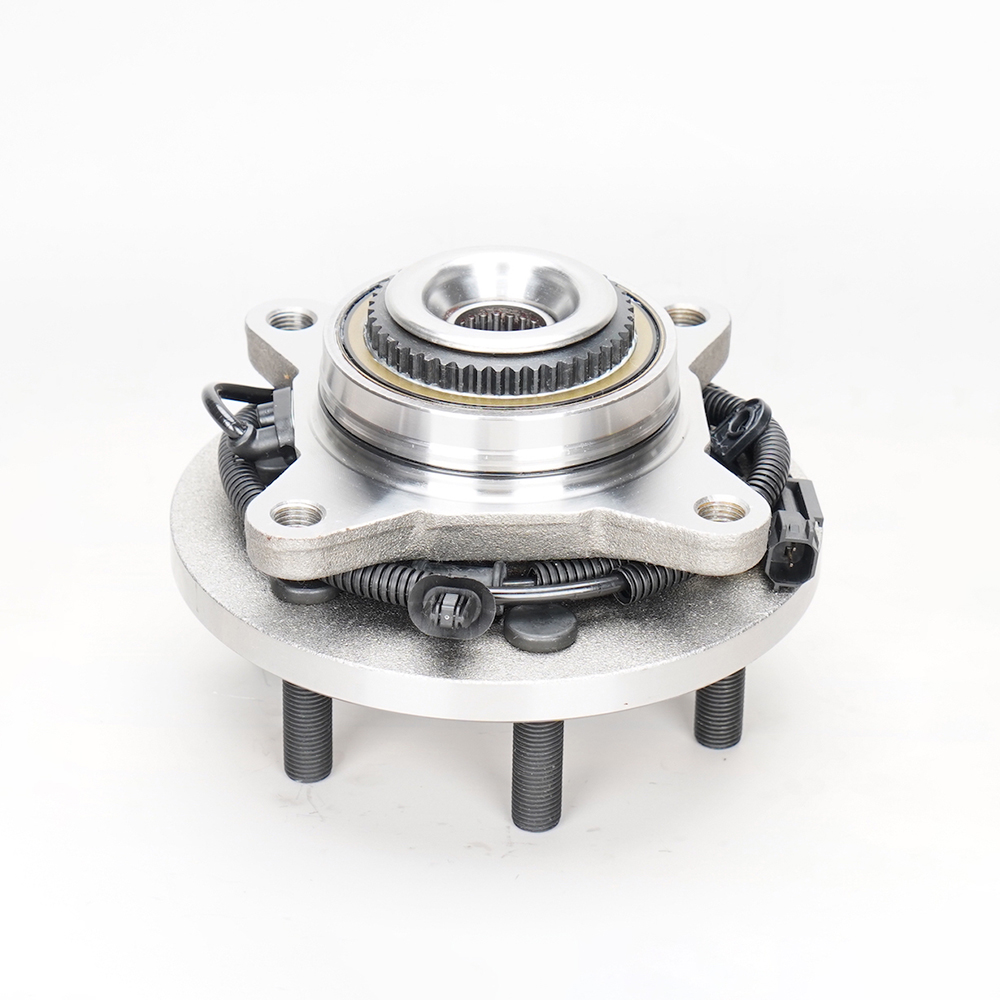
A wheel bearing hub assembly unit is a pre-assembled automotive component that combines the wheel hub, bearing, and often the ABS sensor into a single sealed module. Unlike traditional serviceable bearings, hub assemblies are designed as complete units that bolt directly to the steering knuckle or axle. This integrated design simplifies installation, improves consistency, and reduces the risk of contamination during service.
Modern vehicles increasingly rely on hub assemblies because they support tighter manufacturing tolerances, integrated electronics, and improved durability. The unit supports the vehicle’s weight, allows the wheel to rotate smoothly, and maintains precise alignment between suspension and braking components. A high-quality wheel bearing hub assembly unit directly affects ride quality, safety, and long-term operating costs.
Key Components Inside a Hub Assembly
Although sold as a single part, a wheel bearing hub assembly unit contains several precision-engineered elements. Each internal component plays a critical role in load support, rotation, and signal transmission for vehicle systems.
Wheel Hub Flange
The hub flange is the mounting surface where the wheel and brake rotor attach. It must be precisely machined to maintain proper wheel alignment and balance. Any runout or deformation can lead to vibration, uneven tire wear, and brake pulsation.
Bearing Races and Rolling Elements
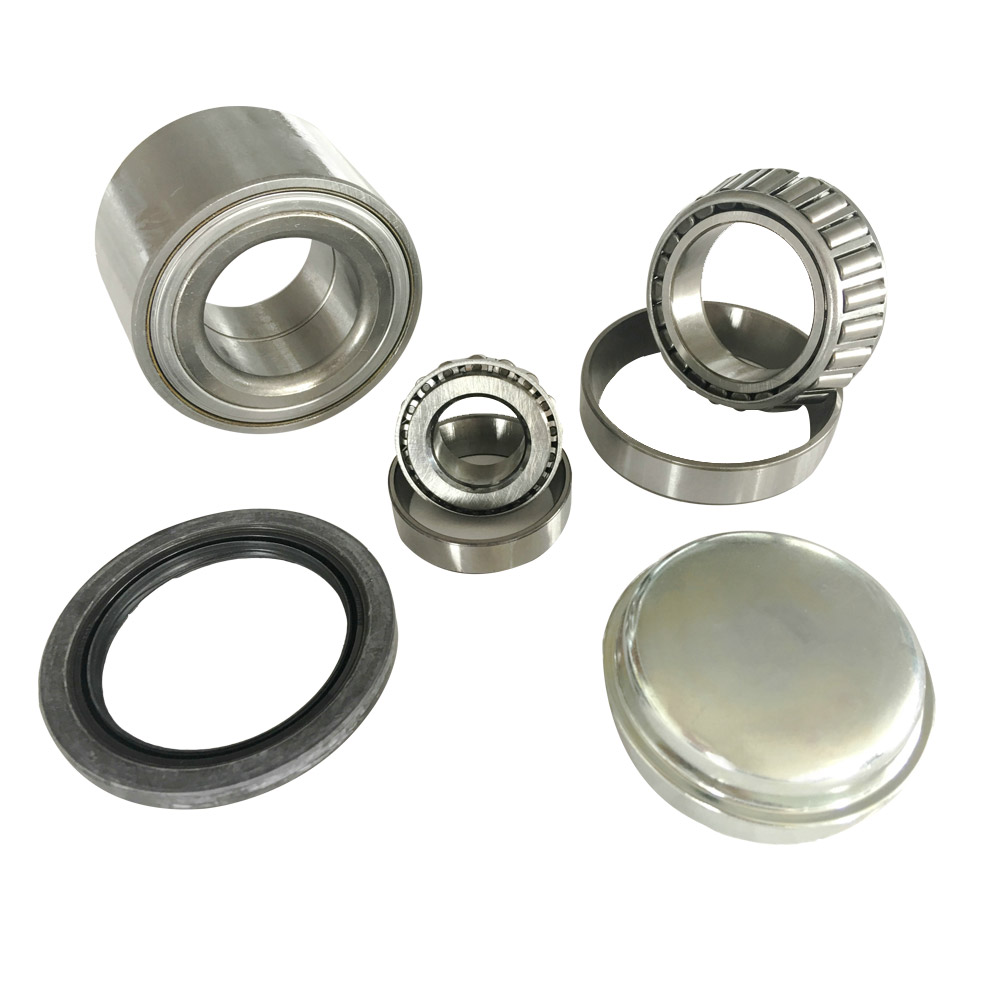
Most hub assemblies use double-row ball bearings or tapered roller bearings. These elements are designed to handle both radial and axial loads. High-grade steel and controlled heat treatment ensure the bearings can withstand repeated stress cycles and temperature changes.
Seals and Lubrication
Seals prevent moisture, dirt, and road contaminants from entering the bearing cavity. The unit is pre-packed with grease, eliminating the need for periodic lubrication. Seal quality directly affects service life and resistance to corrosion.
ABS and Speed Sensor Integration
Many wheel bearing hub assembly units include integrated ABS tone rings or magnetic encoders. These provide wheel speed data to braking and stability control systems. Accurate sensor integration is essential for modern vehicle safety features.

How Hub Assemblies Differ From Traditional Bearings
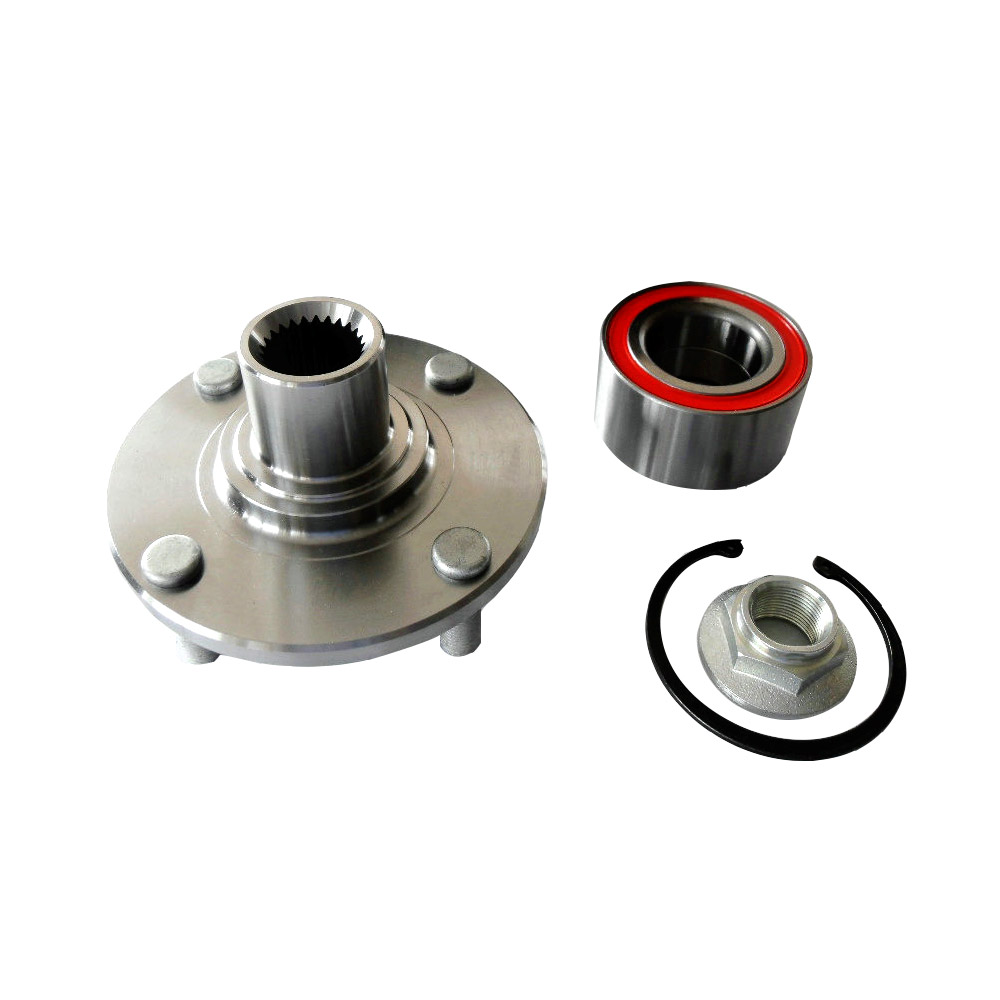
Traditional wheel bearing systems often require separate bearings, races, seals, and manual adjustment during installation. This process is time-consuming and sensitive to technician skill. In contrast, hub assemblies are factory-set, sealed, and preloaded to precise specifications.
This difference reduces installation errors, shortens labor time, and improves repeatability. For fleet operators and repair shops, hub assemblies offer predictable performance and lower overall service risk. For vehicle owners, they provide quieter operation and more consistent steering feel.
Common Types of Wheel Bearing Hub Assembly Units
Hub assemblies vary based on vehicle layout, drivetrain, and load requirements. Selecting the correct type ensures compatibility and optimal performance.
- Front hub assemblies for front-wheel-drive vehicles
- Rear hub assemblies for independent rear suspension systems
- Driven hub assemblies with splined centers for AWD or 4WD
- Heavy-duty hub units for trucks, SUVs, and commercial vehicles
Performance Factors That Affect Hub Assembly Life
Several operational and environmental factors determine how long a wheel bearing hub assembly unit will last. Understanding these helps buyers and technicians make better decisions.
Vehicle Load and Driving Conditions
Heavier loads increase bearing stress and heat. Towing, hauling, and frequent off-road use accelerate wear. Urban driving with frequent potholes and curb impacts can also shorten service life.
Temperature and Heat Cycles
Brake heat transfers into the hub assembly during heavy braking. Repeated heat cycles can degrade grease and seals over time. High-quality assemblies use heat-resistant lubricants and materials to reduce thermal fatigue.
Contamination Exposure
Water, road salt, and dust are major causes of premature failure. Superior seal design and corrosion-resistant coatings help protect internal components and extend service intervals.
Installation Best Practices for Hub Assemblies
Proper installation is critical to achieving full service life. Even a high-quality wheel bearing hub assembly unit can fail early if installed incorrectly.
- Clean the mounting surface to remove rust and debris
- Use a torque wrench to tighten fasteners to manufacturer specifications
- Avoid using impact tools on axle nuts unless specified
- Verify ABS sensor connections and routing
Correct torque and alignment ensure even load distribution across bearing elements. Improper torque can lead to preload issues, increased heat, and early failure.
Signs of a Failing Wheel Bearing Hub Assembly Unit
Recognizing early warning signs helps prevent secondary damage and unsafe driving conditions. Hub assembly failure often progresses gradually before becoming severe.
- Growling or humming noise that increases with speed
- Steering wheel vibration or looseness
- ABS warning light due to sensor failure
- Uneven tire wear caused by excessive play
Comparing Economy vs Premium Hub Assemblies
Not all wheel bearing hub assembly units are built to the same standards. Material quality, machining precision, and seal design vary widely across price ranges.
| Feature | Economy Grade | Premium Grade |
| Bearing Material | Standard steel | High-alloy, heat-treated steel |
| Seal Design | Basic rubber seals | Multi-lip, contamination-resistant seals |
| ABS Integration | Basic encoder | High-precision magnetic encoder |
| Expected Service Life | Short to medium | Long-term durability |
While economy units may reduce upfront costs, premium assemblies often provide better long-term value by reducing repeat repairs and improving vehicle safety.
How to Select the Right Hub Assembly for Your Vehicle
Correct selection depends on vehicle specifications, driving habits, and performance expectations. Always match the assembly to OEM fitment requirements.
- Verify vehicle year, make, model, and trim
- Confirm drivetrain type and axle configuration
- Check for integrated ABS or speed sensor needs
- Consider load capacity for trucks and SUVs
Long-Term Maintenance and Cost Considerations
Although wheel bearing hub assembly units are sealed and maintenance-free, related components affect their lifespan. Proper tire balance, alignment, and brake maintenance reduce unnecessary stress on the hub.
From a total cost of ownership perspective, selecting a durable hub assembly reduces downtime, labor expenses, and the risk of roadside failures. For commercial fleets, this reliability directly translates into improved operational efficiency and lower maintenance budgets.
Future Trends in Hub Assembly Technology
As vehicles become more advanced, wheel bearing hub assembly units continue to evolve. Integrated sensors, lightweight materials, and improved sealing technologies are becoming standard. Some designs now incorporate temperature and vibration monitoring to support predictive maintenance systems.
These advancements improve safety, reduce unexpected failures, and support connected vehicle platforms. Choosing modern, high-quality hub assemblies helps future-proof vehicles and aligns with evolving automotive standards.
