


Content
Understanding What a Wheel Hub Spindle Kit Includes
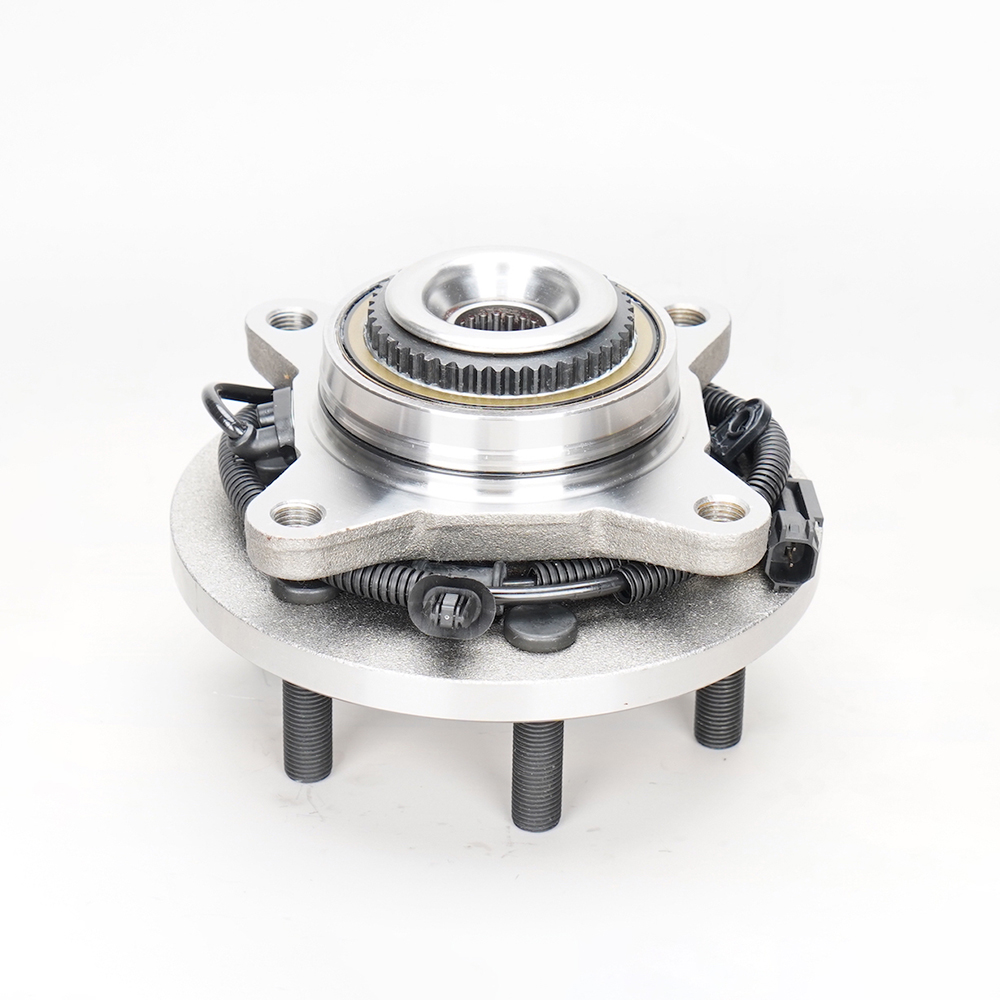
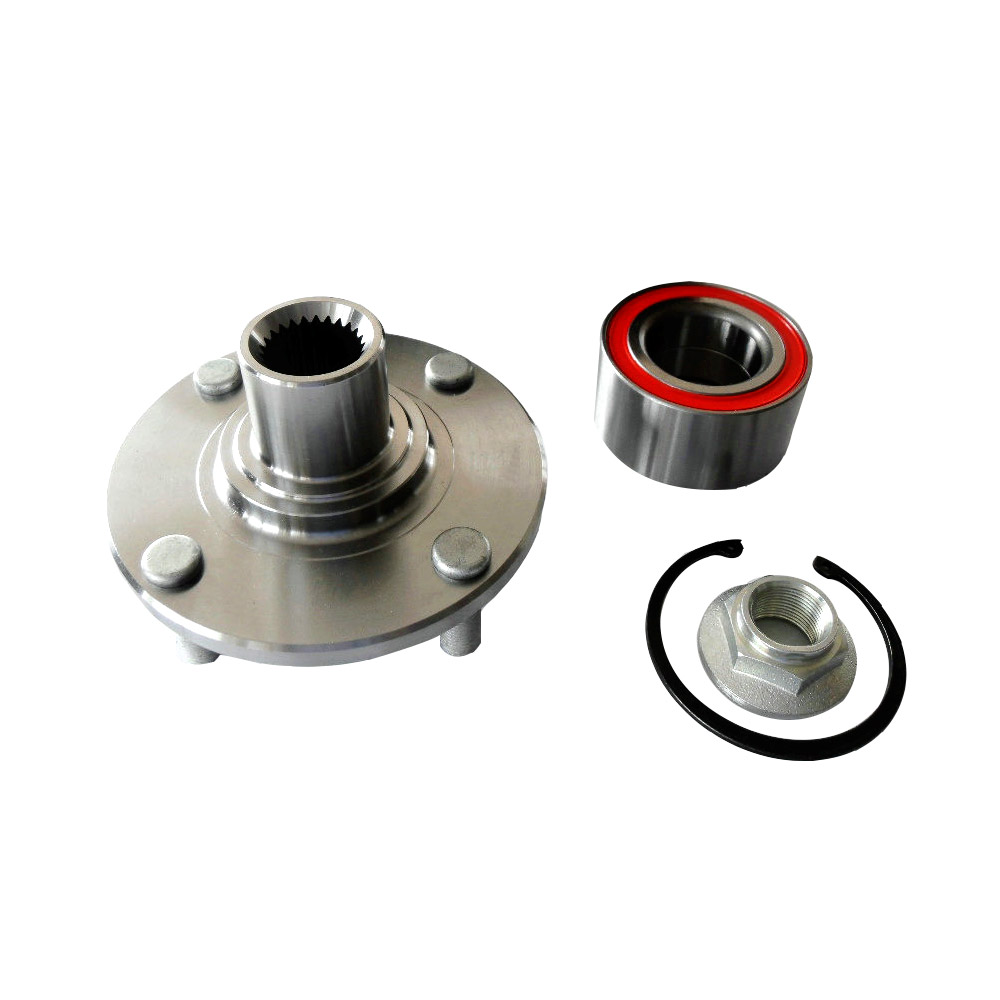
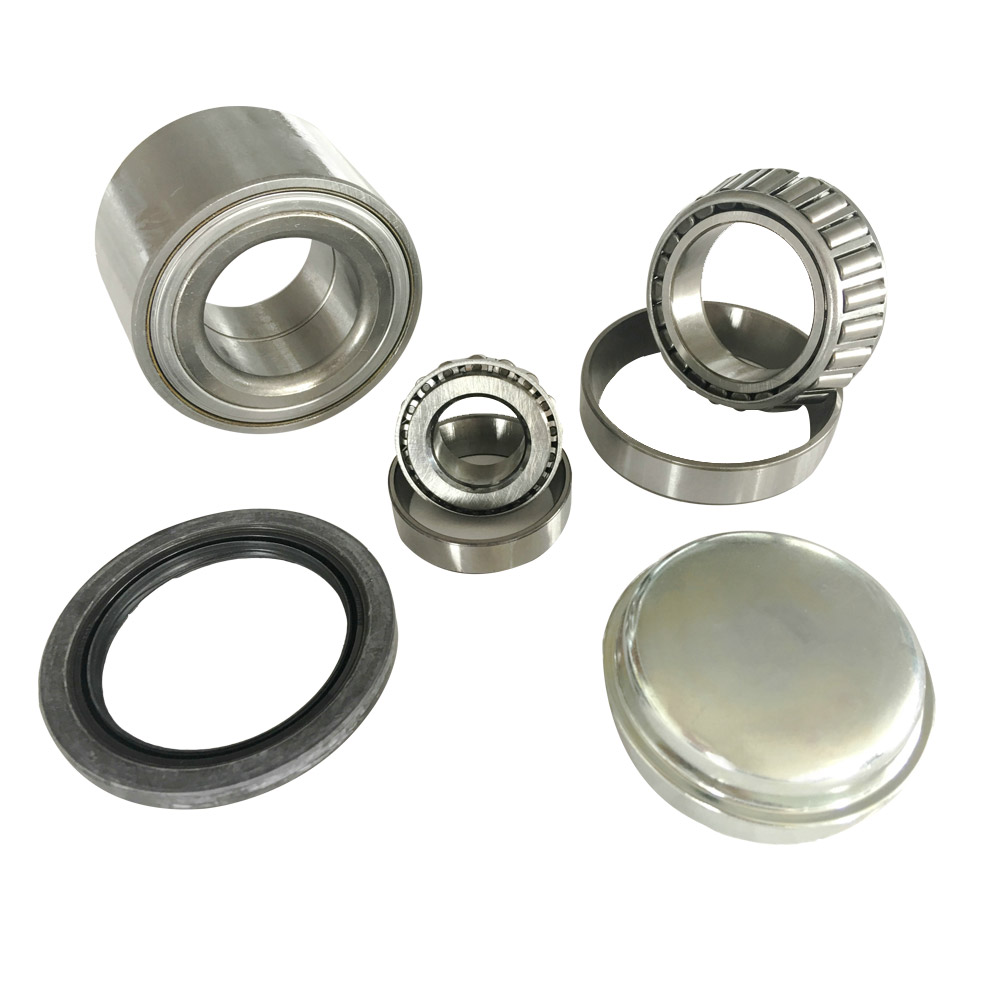
A wheel hub spindle kit is a complete assembly designed to replace the worn or damaged components that connect a vehicle's wheel to its suspension and steering system. Rather than purchasing individual parts separately, a kit bundles everything needed for a proper repair, which saves time, reduces the risk of mismatched components, and often lowers overall cost compared to buying each piece on its own. Most kits are built around a central spindle, which is the shaft that the wheel bearing and hub rotate on, along with the hardware required to mount it securely to the vehicle.
Depending on the vehicle and application, a typical kit may include the spindle itself, a wheel bearing or bearing assembly, seals, a hub unit, mounting bolts, cotter pins, and sometimes a dust cap or grease cap. Some kits are designed for drum brake setups, while others are engineered specifically for disc brake systems, trailers, or off-road applications. Because the spindle bears the full weight of the vehicle at that corner and absorbs constant rotational stress, every component in the kit must be manufactured to precise tolerances to prevent premature wear or failure.
Why Kits Are Preferred Over Individual Parts
Buying a complete kit ensures that all the components are compatible with one another and rated for the same load capacity. When individual parts are sourced from different manufacturers, there is a higher chance of dimensional mismatches, incorrect bearing preload, or seals that do not fit properly. This can lead to noise, vibration, or even bearing failure shortly after installation. A well-matched kit eliminates this guesswork and gives mechanics and DIY owners confidence that the repair will hold up under normal driving or towing conditions.
Signs You Need to Replace Your Wheel Hub Spindle Kit
Spindle and hub assemblies are subjected to constant stress from road impacts, heat, moisture, and the cumulative weight of the vehicle or trailer. Over time, this leads to wear that can compromise safety if left unaddressed. Recognizing the early warning signs allows owners to plan a replacement before a small issue becomes a roadside breakdown.
| Symptom | Likely Cause |
| Grinding or growling noise while driving | Worn wheel bearing inside the hub assembly |
| Excessive wheel play when jacked up | Loose or damaged spindle nut, worn bearing race |
| Vibration that increases with speed | Uneven bearing wear or bent spindle |
| Uneven or rapid tire wear | Misalignment caused by spindle damage |
| Grease leaking near the wheel | Failed seal within the hub assembly |
If any of these symptoms appear, it is important to inspect the assembly promptly. Continuing to drive on a failing spindle or hub can result in wheel separation in extreme cases, which poses a serious safety risk to the driver and other people on the road.
Trailer-Specific Warning Signs
Trailers often experience faster spindle wear than passenger vehicles because they sit for long periods, are exposed to water crossings during boat launching, and carry heavy, unevenly distributed loads. Rust streaks around the hub, discoloration from overheating, or a hub that feels hot to the touch after towing are all signs that the spindle kit should be inspected or replaced before the next trip.
How to Choose the Right Wheel Hub Spindle Kit
Selecting the correct kit requires more than matching a part number. Because spindle assemblies vary by axle weight rating, bolt pattern, bearing size, and brake type, a mismatch can cause serious mechanical problems even if the part physically fits. The following factors should guide the selection process.
- Confirm the exact axle weight rating, since kits are engineered for specific load capacities
- Match the bolt pattern and hub diameter to your existing wheels or trailer axle
- Check whether the kit is designed for drum brakes, disc brakes, or a non-braked application
- Verify bearing size and seal dimensions match the original equipment specifications
- Consider material quality, since forged spindles typically outlast cast alternatives under heavy use
OEM Versus Aftermarket Kits
Original equipment manufacturer kits are built to the exact specifications of the vehicle or trailer manufacturer, which guarantees fit and performance but often comes at a higher price. Aftermarket kits can offer comparable quality at a lower cost, but quality varies significantly between brands. Reading manufacturer specifications, checking load ratings in pounds, and looking for corrosion-resistant coatings on the spindle are practical ways to evaluate aftermarket options before committing to a purchase.

Step-by-Step Installation Overview
While installation specifics vary by vehicle and axle type, the general process for replacing a wheel hub spindle kit follows a consistent sequence. Having the right tools on hand, including a torque wrench, bearing packer, and appropriate sockets, makes the job significantly easier and helps ensure the repair is done safely.
- Safely lift and support the vehicle or trailer using jack stands rated for the load
- Remove the wheel, brake components if applicable, and the old hub or bearing assembly
- Inspect the axle or spindle mounting surface for damage or corrosion before installing the new kit
- Pack bearings with the correct grease type if the kit uses serviceable bearings
- Install the new spindle, hub, seals, and bearings, following manufacturer torque specifications
- Reinstall the wheel and perform a test spin to check for smooth rotation and proper preload
Torque specifications are especially critical during this process. Over-tightening the spindle nut can crush the bearing and cause premature failure, while under-tightening can allow excessive play that leads to rapid wear. Many kits include a torque chart or reference the manufacturer's service manual for exact values.
When to Call a Professional
While many hobbyist mechanics can complete a spindle kit replacement with basic tools, certain situations warrant professional installation. Vehicles with integrated ABS sensors in the hub assembly, complex torque-to-yield fasteners, or unusual axle configurations may require specialized equipment or diagnostic tools that are not commonly available in a home garage.
Maintenance Tips to Extend the Life of Your Kit
Once a new wheel hub spindle kit is installed, routine maintenance plays a major role in maximizing its service life. Simple habits can prevent the premature wear that often leads to another costly replacement down the road.
- Inspect seals periodically for cracking or grease leakage, especially after water exposure
- Repack serviceable bearings with fresh grease at the intervals recommended by the manufacturer
- Check for unusual noise or vibration during routine tire rotations
- Avoid overloading axles beyond their rated capacity to reduce stress on the spindle
- Address rust or corrosion promptly, particularly on trailers stored outdoors
Storage Considerations for Trailers and Seasonal Vehicles
Vehicles and trailers that sit unused for extended periods are particularly prone to spindle and bearing corrosion, since moisture can accumulate inside the hub even without active driving. Before long-term storage, it is good practice to inspect the hub assembly, apply fresh grease, and check that seals are intact to prevent moisture intrusion during the off season.
Common Mistakes to Avoid
Even experienced do-it-yourself mechanics can make errors when replacing a wheel hub spindle kit. Avoiding these common pitfalls helps ensure the repair lasts as long as intended and prevents unnecessary safety risks.
- Reusing old cotter pins or seals instead of replacing them with new components from the kit
- Skipping torque specifications and estimating tightness by feel
- Mixing incompatible grease types, which can break down lubrication properties
- Failing to check wheel bearing play after installation, before returning the vehicle to the road
- Ignoring axle weight ratings and installing a kit that is undersized for the application
Taking the time to follow manufacturer guidelines, use the correct tools, and inspect every component during installation goes a long way toward ensuring a safe and durable repair. A properly selected and installed wheel hub spindle kit not only restores smooth, quiet operation but also protects against the far more serious consequences of a wheel-end failure while driving or towing.
