


Content
- 1 What a Wheel Hub Spindle Kit Typically Contains
- 2 Types of Wheel Hub Spindle Kits by Application
- 3 Recognizing the Signs That Your Spindle or Hub Assembly Needs Replacement
- 4 Specification Matching: How to Select the Correct Kit
- 5 Step-by-Step Overview of Wheel Hub Spindle Kit Installation
- 6 Maintenance Intervals and Long-Term Care After Installation
The wheel hub spindle is one of the most structurally critical components in any vehicle's suspension and steering system. It serves as the fixed or rotating shaft around which the wheel hub and bearing assembly revolve, directly bearing the vehicle's weight while transmitting braking forces, steering inputs, and in driven axles, torque from the drivetrain. When this component wears, cracks, or fails — whether on a passenger car, trailer, ATV, or agricultural equipment — the consequences can range from abnormal tire wear and handling instability to catastrophic wheel separation at speed. A wheel hub spindle kit provides everything needed to perform a complete, professional-grade replacement in a single purchase, making it the preferred solution for mechanics and DIY enthusiasts who want to restore full structural integrity without sourcing individual components separately.
What a Wheel Hub Spindle Kit Typically Contains
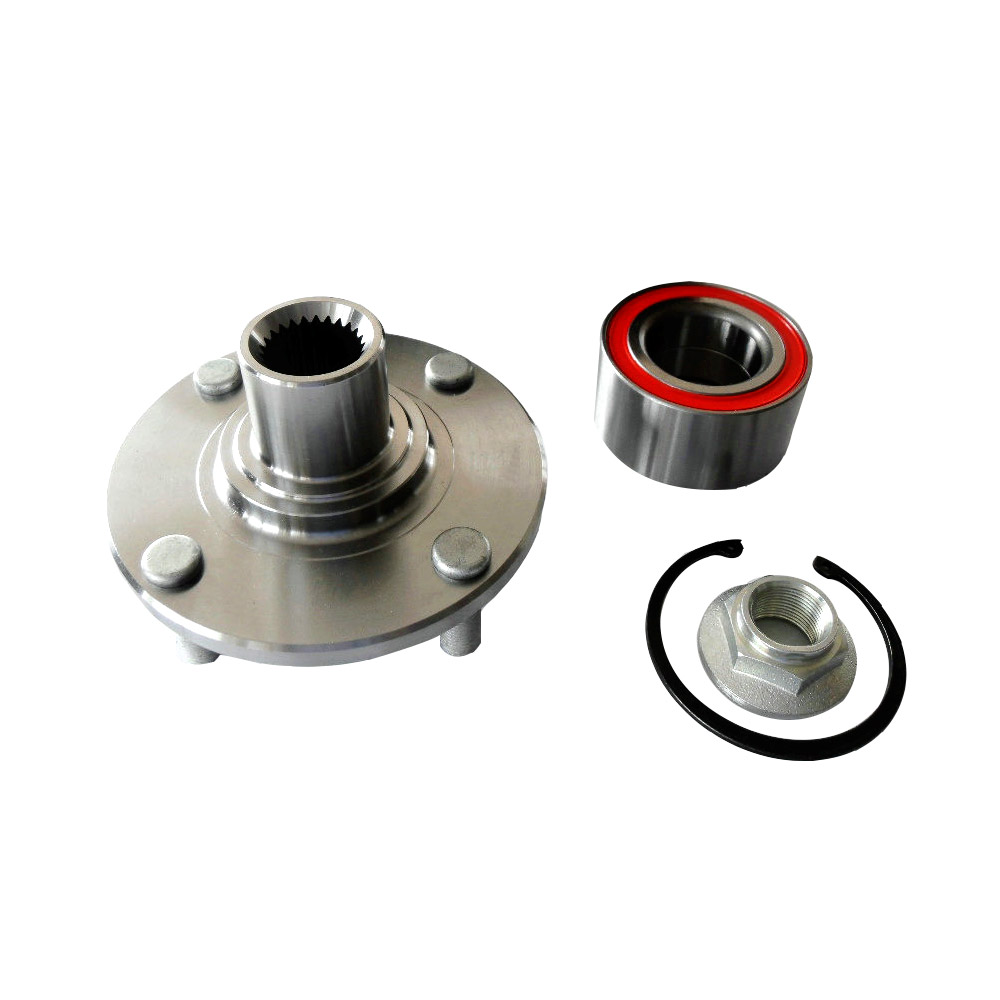
The contents of a wheel hub spindle kit vary depending on the vehicle type and the manufacturer's design philosophy, but a comprehensive kit generally includes all the components required to complete a full spindle and hub bearing replacement from start to finish. Understanding what should be in the box before purchasing ensures you are not left mid-repair waiting for missing parts.
- Spindle Shaft: The core machined steel shaft that mounts to the steering knuckle or axle housing. It is precision-ground to specific bearing seat diameters and thread specifications. Quality spindles are forged from medium-carbon or alloy steel and heat-treated for fatigue resistance under cyclical load.
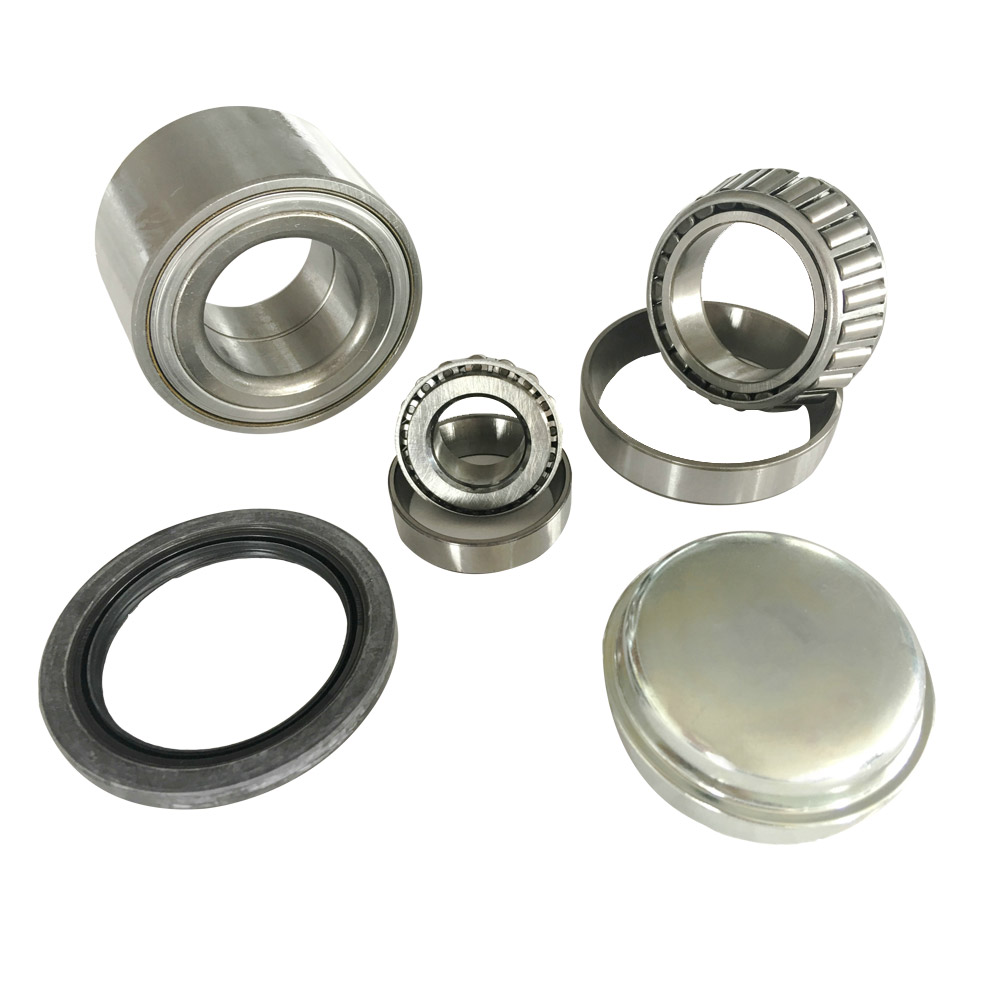
- Inner and Outer Tapered Roller Bearings: Most trailer and light-duty vehicle spindle kits include a matched pair of tapered roller bearings sized to fit the spindle journals precisely. Tapered rollers handle both radial and axial (thrust) loads simultaneously, making them the standard choice for non-driven hub applications.
- Bearing Races (Cups): The outer bearing races that press into the hub bore. These are typically included as a matched set with the bearing cones to ensure correct geometry and load distribution.
- Grease Seal: An inboard lip seal that retains bearing grease and prevents contamination from road debris, water, and mud. Seal quality is critical — a failing seal accelerates bearing wear dramatically.
- Spindle Nut and Washer: The castle nut or flange nut that sets bearing preload or end-play on the spindle. Many kits include a new cotter pin or locking clip for the castle nut to prevent loosening during operation.
- Dust Cap / Grease Cap: A pressed metal or rubber cap that protects the outer bearing and nut assembly from environmental contamination. Some premium kits include rubber-plugged caps for grease-gun relubrication access.
- Mounting Hardware: Grade-matched bolts, washers, and in some cases a new cotter pin set or lock tab washers for securing the spindle to the knuckle.
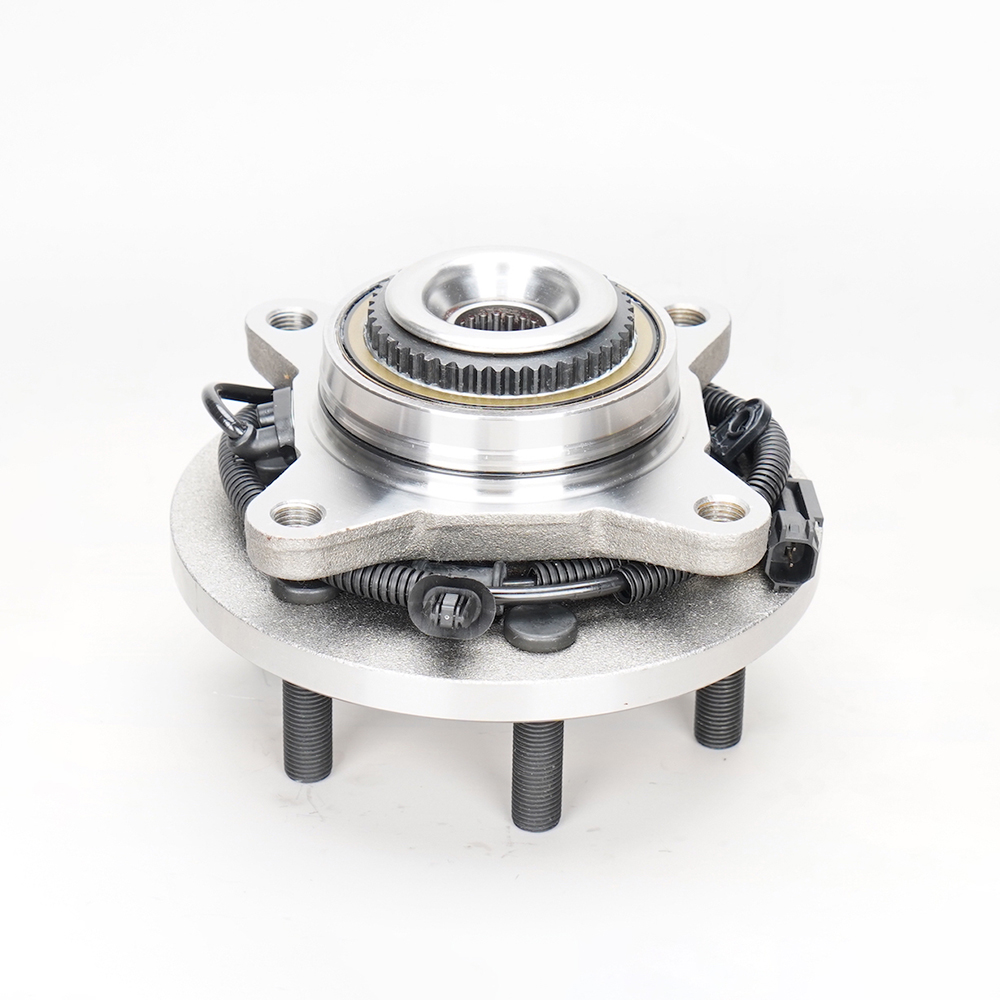
Higher-specification kits for automotive applications may also include a new hub flange, ABS tone ring, wheel studs, and hub bolt hardware, effectively providing everything needed to completely rebuild the corner of the vehicle from the knuckle outward.

Types of Wheel Hub Spindle Kits by Application
Spindle kits are not one-size-fits-all products. They are engineered to specific load ratings, bearing sizes, and mounting configurations that match the demands of each vehicle category. Choosing the correct kit type is the first and most important step in the selection process.
Trailer Spindle Kits
The most widely sold category, trailer spindle kits are designed for boat trailers, utility trailers, horse trailers, and cargo trailers. They are classified by axle weight rating — typically 1,000 lb, 2,000 lb, 3,500 lb, 5,200 lb, 6,000 lb, and 7,000 lb capacities — and by spindle diameter and stub length. A 1-inch straight spindle suits light utility trailers, while a 1-3/4 inch or 2-inch spindle with a longer stub is required for heavy tandem-axle trailers. Trailer spindle kits are almost universally non-driven, using tapered roller bearings running in packed grease.
Automotive Steering Knuckle Spindle Kits
For light trucks, SUVs, and older passenger vehicles with solid front axles or conventional MacPherson strut designs, spindle replacement kits include the spindle shaft integrated with or bolted to a new knuckle casting. These kits are vehicle-specific and must match the OEM geometry precisely to maintain correct caster, camber, and steering axis inclination. Many applications use pre-pressed bearing hub assemblies rather than serviceable tapered roller bearings.
ATV and UTV Spindle Kits
All-terrain and utility terrain vehicles subject their spindles to severe off-road stress, including impact loads, lateral flex, and mud ingress that accelerates wear far faster than road use. ATV spindle kits often feature upgraded materials — such as 4340 chromoly steel spindles — and improved seal configurations compared to OEM parts. Aftermarket performance kits may also include extended spindle lengths to accommodate wheel spacers or wider track widths for improved stability.
Agricultural and Industrial Equipment Kits
Farm implements, mowers, hay rakes, and industrial carts use spindle assemblies that must withstand high radial loads at low speeds with infrequent maintenance intervals. These kits typically emphasize seal robustness, corrosion-resistant coatings, and easy regreasing provisions over dynamic performance characteristics.
Recognizing the Signs That Your Spindle or Hub Assembly Needs Replacement
Spindle and hub bearing wear develops progressively, and identifying the warning signs early allows planned maintenance rather than emergency roadside repair. The following symptoms indicate that inspection and likely replacement is warranted:
- Rumbling or grinding noise from the wheel area: A consistent rumbling that changes pitch with vehicle speed — and may shift character when the vehicle is turned left or right — is the classic symptom of a failing wheel bearing. This indicates the bearing races or rollers have developed pitting, spalling, or brinelling from impact damage or lubricant starvation.
- Excessive wheel bearing play: With the vehicle safely supported on stands, grasp the wheel at the 12 and 6 o'clock positions and attempt to rock it. Any perceptible play indicates worn bearing preload, a loose spindle nut, or a damaged spindle journal that is no longer maintaining correct bearing seating.
- Uneven or rapid tire wear: A compromised spindle that allows excessive hub movement creates inconsistent tire contact with the road surface, generating abnormal wear patterns such as feathering, one-sided shoulder wear, or cupping.
- Grease leakage around the hub: Brown or black grease smeared around the hub face, inside the wheel, or on the brake drum indicates a failed inboard seal. Operating with a failed seal rapidly contaminates and destroys bearing grease, leading to overheating and bearing failure within a short distance.
- Visible spindle damage: During inspection, a spindle showing scoring marks, corrosion pitting on bearing journals, thread damage, or a visible crack anywhere along its length must be replaced immediately — no amount of bearing replacement will restore safe operation on a compromised spindle shaft.
Specification Matching: How to Select the Correct Kit
Selecting the right wheel hub spindle kit requires matching several dimensional and load-capacity parameters to your specific application. The table below outlines the key specification categories and what to verify before purchasing:
| Specification | What to Measure or Verify | Why It Matters |
| Spindle Diameter | Inner and outer bearing journal diameters (e.g., 1", 1-1/4", 1-3/4") | Determines bearing size and load capacity compatibility |
| Stub Length | Total usable spindle length from shoulder to thread end | Must accommodate bearing stack, washer, and nut with correct thread engagement |
| Thread Size and Pitch | Spindle nut thread specification (e.g., 1"-14 UNF, M24x1.5) | Ensures correct nut fitment and torque-to-clamp force relationship |
| Flange Bolt Pattern | Number of bolt holes and bolt circle diameter on mounting flange | Must match knuckle or axle housing mounting face exactly |
| Load Rating | Axle capacity in lbs or kg (for trailers: per-axle GAWR) | Undersized spindle kits will fail prematurely under normal load |
| Bearing Part Numbers | Verify included bearing numbers match OEM cross-reference | Ensures correct fit in hub bore and on spindle journal |
Step-by-Step Overview of Wheel Hub Spindle Kit Installation
A proper spindle kit installation follows a logical sequence that, when executed carefully, results in a hub assembly that will perform reliably for tens of thousands of miles. While the exact procedure varies by vehicle type, the core steps apply broadly across trailer and automotive applications.
- Disassembly and inspection: Remove the wheel, dust cap, cotter pin, and spindle nut. Slide the hub off the old spindle and inspect the knuckle or axle housing mounting face for cracks, corrosion, or thread damage that must be addressed before installing the new spindle.
- Remove old bearing races from hub: Drive the old bearing cups out of the hub bore using a brass drift punch. Clean the hub bore thoroughly and inspect for scoring. New races must be pressed or driven squarely into the bore until fully seated against the shoulder — any tilt will cause premature bearing failure.
- Pack bearings with grease: Force high-temperature wheel bearing grease fully through the bearing cone rollers by hand-packing or using a bearing packer tool. Apply a light coat of grease to the hub bore walls and a grease ring inside the hub cavity between the two bearings.
- Install the new spindle: Torque the spindle flange bolts to the manufacturer's specification using a cross-pattern sequence. On trailer axles where the spindle is welded to the axle tube, the new spindle must be correctly aligned before welding to prevent toe or camber error.
- Set bearing preload or end-play: Install the hub onto the spindle, then thread the spindle nut down while rotating the hub to seat the bearings. For adjustable tapered roller bearing setups, tighten the nut to approximately 50 ft-lbs while rotating, then back off to finger-tight and adjust to achieve the specified end-play — typically 0.001" to 0.005" on trailer applications — before installing the cotter pin through the castle nut.
- Install seal and dust cap: Drive the new inboard grease seal squarely into the hub bore using a seal driver sized to the seal's outer diameter. Fill the dust cap approximately one-third full with grease before pressing it onto the hub to provide a reservoir for the outer bearing.
Maintenance Intervals and Long-Term Care After Installation
A freshly installed wheel hub spindle kit delivers maximum value only when followed up with appropriate maintenance intervals. For trailer applications, bearing repacking with fresh grease is generally recommended every 12 months or 12,000 miles — whichever comes first — and additionally after any submersion in water during boat launching. Trailers that frequently back into water are particularly vulnerable to water intrusion past the seal, which emulsifies the grease and strips the lubricant film from bearing surfaces within minutes of exposure.
For automotive applications with sealed, non-serviceable hub bearing assemblies, no periodic lubrication is possible, but the hardware should be inspected for play and noise at every brake service interval. Spindle nut torque should be verified after the first 50–100 miles following installation, as new components can settle slightly under initial load. Keeping the dust cap or grease cap firmly in place and replacing it if it becomes dented or loose is one of the simplest and most effective ways to extend bearing life between full spindle kit service intervals.
