


Content
- 1 What Is a Wheel Bearing Hub Assembly Unit
- 2 How the Hub Assembly Unit Works Under Load
- 3 Warning Signs That Your Hub Assembly Is Failing
- 4 Wheel Bearing Hub Assembly Replacement: Step-by-Step Overview
- 5 Factors That Accelerate Wheel Bearing Hub Assembly Wear
- 6 How to Choose the Right Wheel Bearing Hub Assembly
- 7 Expected Service Life and When to Replace Both Sides
What Is a Wheel Bearing Hub Assembly Unit
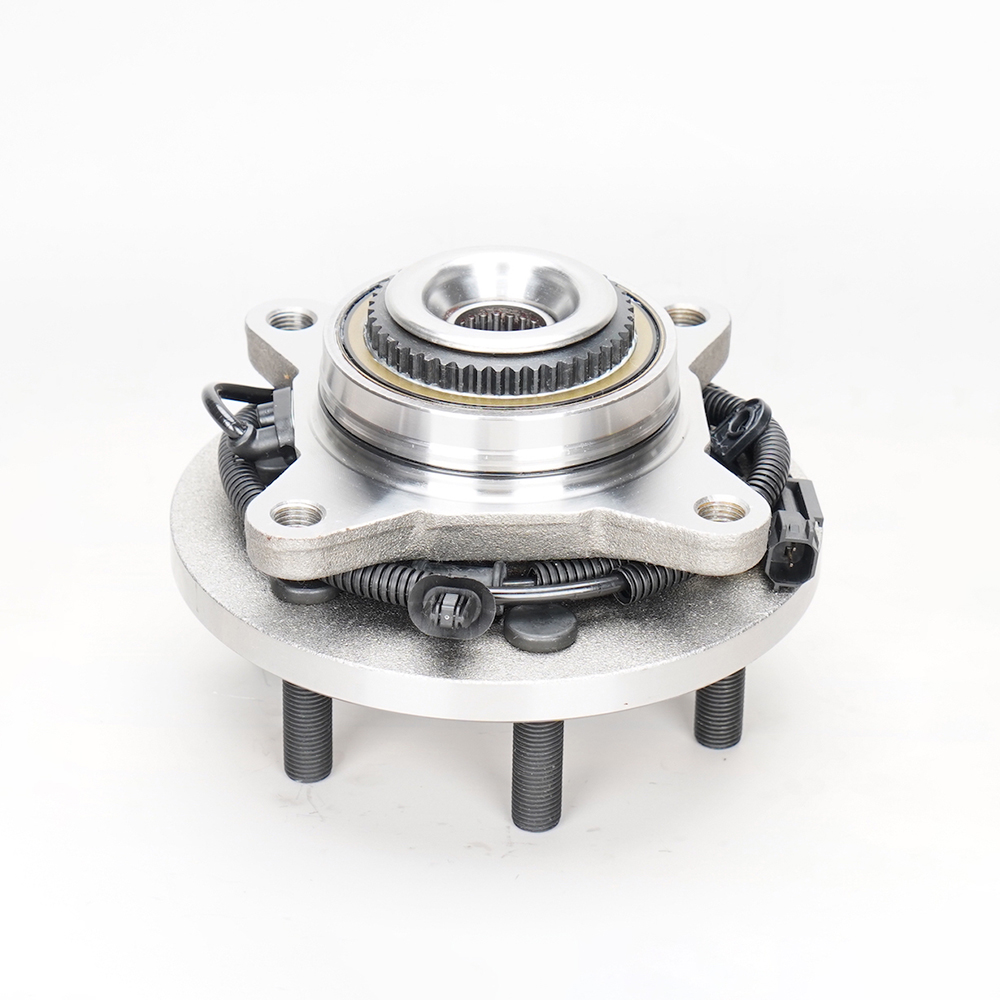
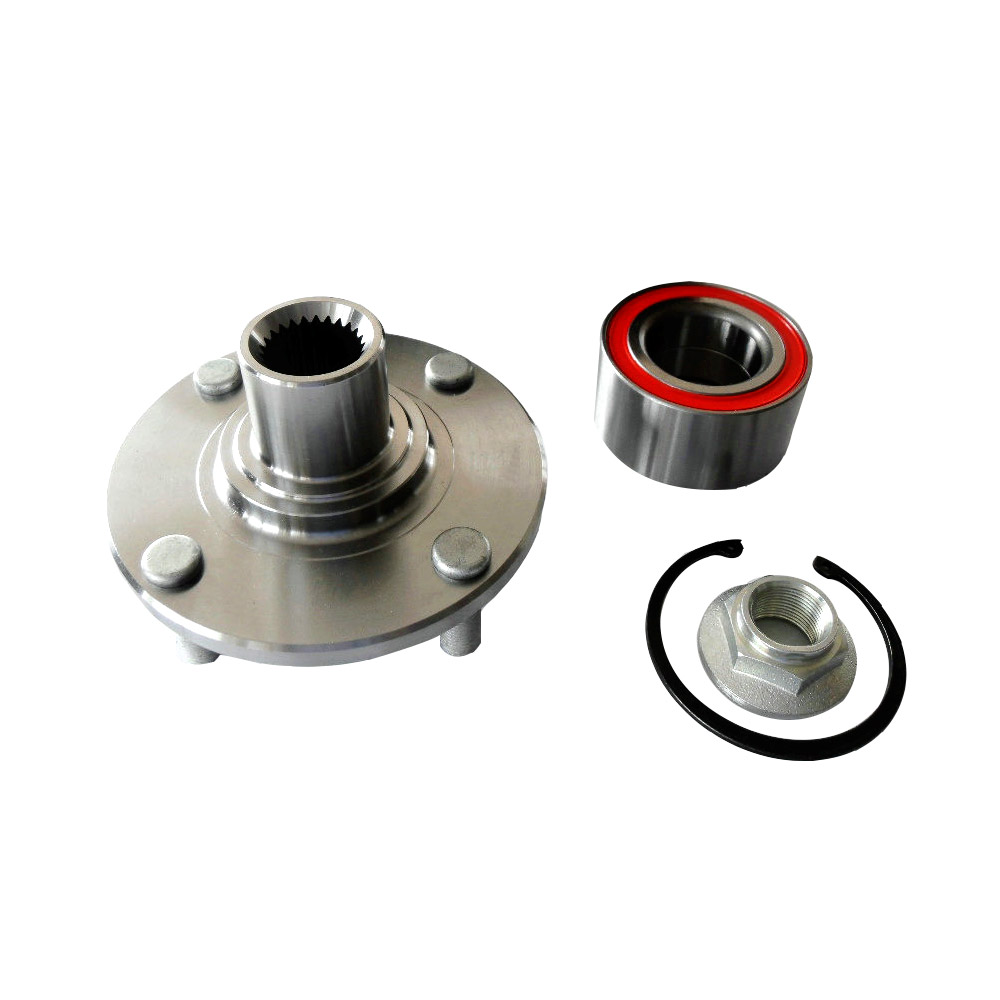
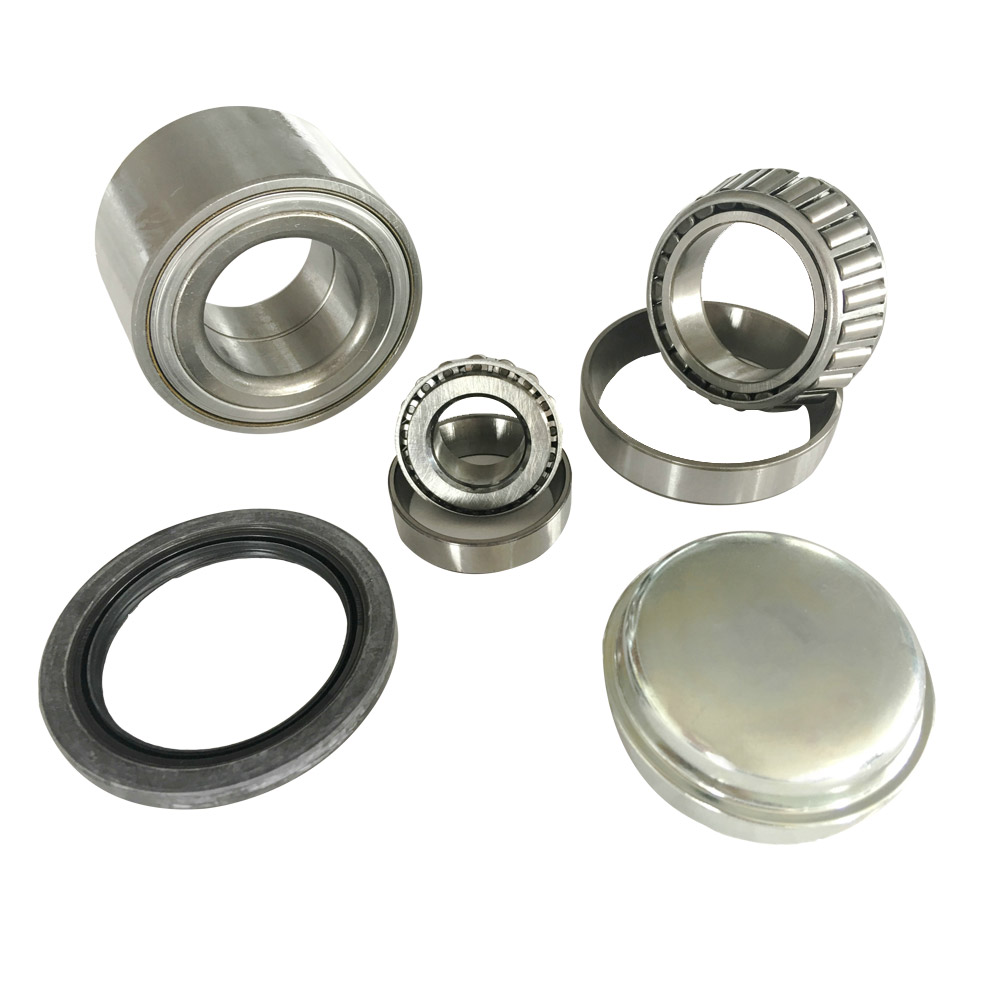
A wheel bearing hub assembly unit is a pre-packaged component that combines the wheel bearing, hub, and in many modern vehicles, the wheel speed sensor into a single, sealed unit. Unlike older bearing designs that required separate inner and outer races, rollers, and races to be installed individually with precise preload settings, the hub assembly unit arrives from the manufacturer as a fully assembled, pre-greased, and pre-torqued component ready for direct installation onto the vehicle's steering knuckle or axle flange. This design significantly reduces installation complexity and eliminates the risk of incorrect preload, which was a common cause of premature bearing failure in traditional setups.
The hub portion of the assembly serves as the mounting platform for the wheel and brake rotor or drum. The bearing element—typically a double-row angular contact ball bearing or tapered roller bearing—sits inside the hub and allows the wheel to rotate freely around the stationary spindle while supporting both radial loads from the vehicle's weight and axial loads generated during cornering. Because all these functions are integrated into one sealed unit, the wheel bearing hub assembly has become the standard design in most passenger cars, light trucks, and SUVs produced since the mid-1990s.
How the Hub Assembly Unit Works Under Load
Understanding what a wheel bearing hub assembly does during normal vehicle operation helps clarify why proper condition matters so much for safety. When your vehicle is in motion, each wheel bearing supports the entire corner weight of the vehicle—typically between 400 and 800 kilograms per corner depending on the vehicle type and load. This vertical radial load is constant whenever the vehicle is moving. During acceleration and braking, additional fore-aft forces are transmitted through the bearing. During cornering, lateral loads push the outer wheel outward while the inner wheel is pushed inward, creating significant axial stress on the bearing races.
In vehicles equipped with ABS, the wheel speed sensor integrated into the hub assembly sends real-time rotational data to the ABS control module at speeds measured in milliseconds. If the bearing develops internal play or the sensor ring becomes damaged due to bearing wear, the ABS system may receive erratic speed signals, triggering fault codes and potentially disabling traction control, stability control, and ABS functions simultaneously. This is why a failing wheel bearing hub assembly should never be treated as a minor inconvenience—it directly affects multiple critical safety systems at once.
Warning Signs That Your Hub Assembly Is Failing
Catching a failing wheel bearing hub assembly early prevents more expensive damage to surrounding components such as the CV axle, brake rotor, and steering knuckle. The symptoms progress in severity as the bearing deteriorates, so it is important to recognize them at each stage.
Humming or Grinding Noise While Driving
The most common and earliest symptom is a low-frequency humming, rumbling, or growling noise that increases in pitch and intensity with vehicle speed. Unlike tire noise, which tends to vary with road surface texture, bearing noise remains consistent on smooth roads and gets louder as speed increases. A useful diagnostic technique is to perform a slow lane change at highway speed. If the noise increases when weight shifts to the suspect wheel—such as when turning right causing noise to intensify on the left front—this strongly suggests that the bearing on the loaded side is failing. The direction of weight transfer that worsens the noise points directly to the affected corner.
Vibration Through the Steering Wheel or Floorboard
As internal bearing wear progresses beyond the noise stage, the rolling elements begin to develop flat spots or the races develop pitting that causes vibration. This vibration is transmitted through the suspension and chassis, often manifesting as a pulsing or shuddering sensation through the steering wheel for front bearings, or through the seat and floorboard for rear bearings. At this stage, the bearing has moved beyond early-stage wear and immediate replacement is necessary to prevent catastrophic failure.

ABS, Traction Control, or Stability Warning Lights
On vehicles where the wheel speed sensor is integrated into the hub assembly, bearing wear that causes the sensor ring to wobble, corrode, or lose air gap consistency will generate wheel speed signal faults. The ABS control module logs these as implausible speed signals and may illuminate the ABS warning light, traction control light, and electronic stability program light simultaneously. Scanning the vehicle with an OBD-II scanner will typically show fault codes pointing to the specific wheel position, narrowing down which hub assembly needs replacement.
Excessive Wheel Play or Wobble
Lifting the vehicle and attempting to rock the wheel in and out (at the 3 o'clock and 9 o'clock positions) tests for lateral bearing play. A serviceable bearing should have no detectable play. Any perceptible movement indicates the bearing has exceeded its wear tolerance. Similarly, grasping the wheel at the 12 o'clock and 6 o'clock positions and rocking it tests for vertical play, which can also indicate bearing failure or a loose hub nut. Spinning the wheel by hand and listening for roughness, clicking, or grinding while feeling for resistance through the tire further confirms bearing condition.
Wheel Bearing Hub Assembly Replacement: Step-by-Step Overview
Replacing a wheel bearing hub assembly is a job that many mechanically confident vehicle owners can complete with the right tools and preparation. The procedure varies between front and rear applications and between driven and non-driven axles, but the general process follows a consistent sequence.
- Loosen the center axle nut before lifting the vehicle: On driven wheels, the hub assembly is retained by a large center nut that is torqued to between 150 and 280 Nm depending on the vehicle. This nut must be loosened while the wheel is still on the ground to prevent the hub from spinning. Use an impact wrench or breaker bar with the correct socket size, which typically ranges from 30mm to 36mm.
- Remove the brake caliper and rotor: After lifting and securing the vehicle, remove the wheel, then unbolt the brake caliper and hang it with a wire hook to avoid straining the brake hose. Slide the rotor off the hub studs. If the rotor is seized to the hub, use penetrating oil and a rotor removal puller rather than striking it with a hammer, which can damage the bearing.
- Disconnect the ABS sensor connector: Trace the sensor wire from the hub assembly to its connector, typically clipped to the inner fender or suspension arm. Unplug it carefully and release all retaining clips along the wire routing. Forcing a corroded connector can break the wiring harness.
- Remove the hub assembly mounting bolts: Most hub assemblies are retained by three or four bolts that thread through the steering knuckle into the back of the hub flange. These bolts are often heavily corroded in northern climates. Apply penetrating oil and allow it to soak for several minutes before attempting removal. A combination of heat from a torch and an impact wrench is often required for stubborn fasteners.
- Extract the hub from the knuckle: The hub assembly may require light persuasion from a rubber mallet or a hub puller tool to break it free from the knuckle bore. Never use a steel hammer directly on the hub face as this can damage the new unit if installed first. Clean the knuckle bore thoroughly with a wire brush before installing the replacement.
- Install and torque to specification: Insert the new hub assembly, thread the mounting bolts by hand to avoid cross-threading, and torque them in a star pattern to the manufacturer's specification. Reconnect the ABS sensor, reassemble the braking components, and finally torque the center axle nut to specification with the wheel back on the ground. Use a new self-locking nut rather than reusing the old one.
Factors That Accelerate Wheel Bearing Hub Assembly Wear
Hub assemblies are rated for specific load and mileage cycles, but real-world operating conditions frequently cause premature failure well before the design service life is reached. Knowing which factors accelerate wear helps you take preventive measures and set realistic replacement interval expectations.
| Wear Factor | Effect on Bearing Life | Preventive Action |
| Pothole and curb impacts | Brinelling (indentation) of bearing races | Reduce speed over rough surfaces |
| Wheel misalignment | Uneven axial load distribution | Check alignment after suspension work |
| Water and road salt intrusion | Corrosion of seals and rolling elements | Inspect seals annually in winter climates |
| Oversized tires or wheels | Increased rotational inertia and side loads | Stay within manufacturer offset specs |
| Loose hub nut torque | Internal play and accelerated race wear | Verify torque after any axle service |
How to Choose the Right Wheel Bearing Hub Assembly
The replacement parts market for wheel bearing hub assemblies is large and varies significantly in quality. Choosing the wrong unit results in premature failure, noise on installation, ABS malfunctions, or fitment problems that require the job to be done twice. The following criteria should guide your selection.
OEM vs. Aftermarket Quality Tiers
Original equipment manufacturer (OEM) hub assemblies are made to the exact specifications of the vehicle's engineering design and are generally the most reliable option, though they carry a premium price. Reputable aftermarket brands such as SKF, Timken, Moog, FAG, and NSK manufacture hub assemblies to equivalent or improved specifications and offer strong value for most applications. Budget-tier hub assemblies sourced from unknown manufacturers frequently use lower-grade steel in the bearing races, inferior sealing compounds, and less precise machining tolerances that lead to early noise development and seal failure. For a component this critical to vehicle safety, investing in a mid-to-upper-tier aftermarket or OEM unit is strongly advisable.
ABS Sensor Integration and Compatibility
When replacing a hub assembly on a vehicle with ABS, it is critical to select a unit that includes the correct integrated wheel speed sensor or sensor ring configuration for your specific vehicle. Some applications use an active sensor with a magnetic encoder ring sealed inside the bearing, while others use a passive sensor with a toothed tone ring on the outer hub face. The number of teeth on the tone ring must match the OEM specification exactly, as even a one-tooth difference will cause the ABS module to calculate incorrect wheel speeds and trigger fault codes. Always cross-reference the part number against your vehicle's year, make, model, and specific axle position (front left, front right, rear left, rear right) rather than relying solely on vehicle model information.
Flange Design and Stud Count
The hub flange must match your vehicle's bolt pattern precisely. A hub with the correct bolt pattern but the wrong pilot bore diameter, stud thread pitch, or flange thickness will cause wheel seating problems, vibration, or brake rotor misalignment. Verify that the replacement unit lists the bolt circle diameter, number of studs, and stud thread specification explicitly. If you are upgrading wheels or brake rotors simultaneously, confirm that the new hub's flange dimensions are compatible with the new components before purchasing.
Expected Service Life and When to Replace Both Sides
Most wheel bearing hub assemblies are designed to last between 130,000 and 200,000 kilometers under normal operating conditions, though real-world service life varies widely based on the factors discussed above. Vehicles operated in regions with heavy road salt use, frequent off-road driving, or regular towing often require bearing replacement between 80,000 and 120,000 kilometers.
A common question is whether both hub assemblies on the same axle should be replaced simultaneously when one fails. Unlike shock absorbers, where paired replacement is standard practice, wheel bearing hub assemblies do not necessarily need to be replaced in pairs. However, if both units have equal mileage and one has failed, the opposite side is likely at a similar wear stage and may follow within a short period. Replacing both at the same time saves on labor costs since the work area is already prepared, and eliminates the need for a second alignment check if applicable. Inspect the opposite bearing carefully and use your judgment based on its condition, noise characteristics, and the vehicle's service history.
