


Content
What a Wheel Hub Bearing Does
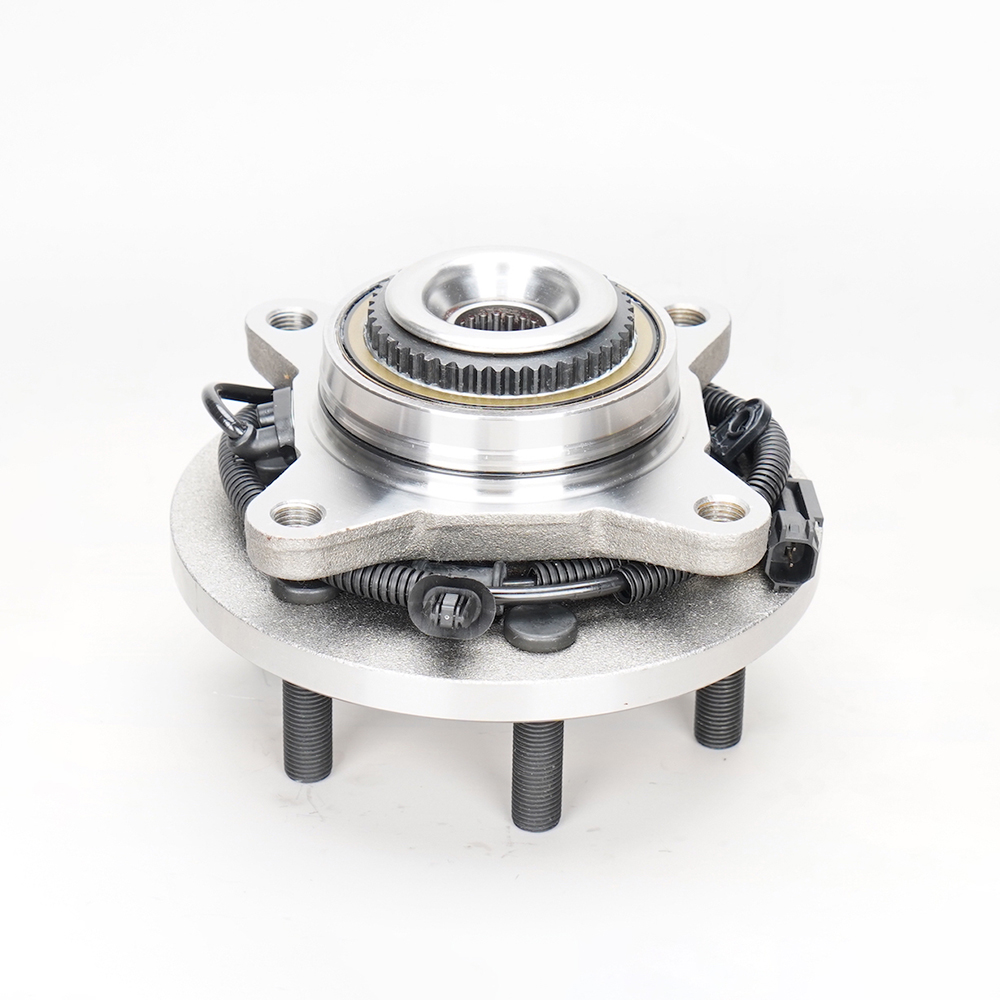
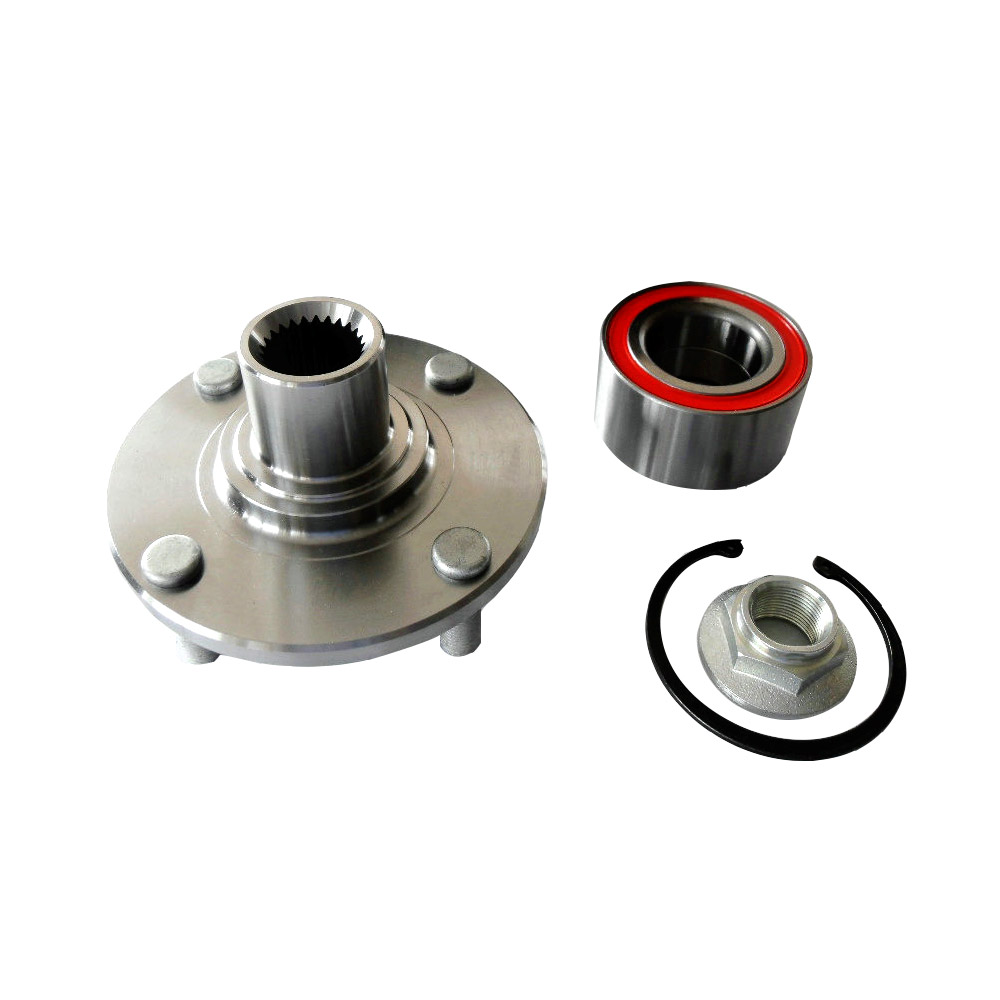
A wheel hub bearing is a critical component that allows the wheel to rotate smoothly while supporting the weight of the vehicle and handling the forces generated during acceleration, braking, and cornering. It sits between the wheel hub and the axle, using a set of steel balls or rollers to reduce friction as the wheel spins. Modern vehicles typically use a hub bearing assembly that combines the bearing, hub, and sometimes the ABS sensor into a single sealed unit, which simplifies replacement but also means the entire assembly usually needs to be replaced together rather than repaired piece by piece.
Because the wheel hub bearing supports both vertical load from the vehicle's weight and lateral load from turning, it experiences constant mechanical stress throughout its service life. Over time, this stress, combined with exposure to road debris, moisture, and temperature fluctuations, causes gradual wear that eventually leads to bearing failure if not addressed.

Common Signs of a Failing Wheel Hub Bearing
Recognizing the early symptoms of a failing wheel hub bearing can prevent more serious drivability and safety issues down the road. Most symptoms develop gradually, starting as a subtle noise or vibration that becomes more noticeable as the bearing continues to wear. Drivers who pay attention to these early warning signs can often address the problem before it leads to complete bearing failure while driving.
Warning Signs to Watch For
- A humming, growling, or grinding noise that changes with vehicle speed
- Vibration felt through the steering wheel or floorboard, especially at higher speeds
- Uneven tire wear caused by abnormal wheel movement
- A clicking or popping sound when turning, which may indicate combined bearing and CV joint wear
- ABS warning light activation due to a damaged wheel speed sensor within the bearing assembly
- Looseness or play felt when rocking the wheel by hand during inspection
A noise that grows louder during turns, particularly when leaning into one direction, often points to a specific side's bearing rather than a general drivetrain issue. This directional pattern can help mechanics narrow down which wheel needs attention before performing a physical inspection.
What Causes Wheel Hub Bearings to Wear Out
Wheel hub bearings are designed to last for tens of thousands of miles, but several factors can accelerate their wear rate. Understanding these causes can help drivers adopt habits that extend bearing life and avoid premature failure.
Water and road salt intrusion is one of the most common causes of early bearing failure, particularly in regions with harsh winters where road salt is used regularly. Once moisture and contaminants breach the bearing seal, internal corrosion begins, which pits the bearing surfaces and leads to increased friction and noise. Similarly, driving through deep water or repeatedly power-washing the wheel wells at close range can force water past the seals over time.
Physical impacts from potholes, curbs, or debris can also damage the bearing assembly, even if the impact does not cause immediate, obvious damage. The internal races and rolling elements can develop microscopic pitting from a single hard impact, which then worsens gradually with continued driving.
Common Causes of Premature Wear
| Cause | Effect on Bearing |
| Water and road salt exposure | Internal corrosion and seal degradation |
| Pothole or curb impact | Pitting on bearing races |
| Improper installation torque | Uneven load distribution and early failure |
| Worn CV joints or suspension parts | Added stress transferred to the bearing |
| Extended high-mileage use | Natural wear of rolling elements |
Diagnosing a Wheel Hub Bearing Problem
Proper diagnosis typically starts with a road test to identify whether noise or vibration changes with vehicle speed and cornering direction. Following the road test, a mechanic will usually lift the vehicle and perform a physical wheel play test, checking for looseness by grabbing the wheel at the top and bottom and attempting to rock it. Excessive play during this test is a strong indicator of bearing wear.
Mechanics may also spin the wheel by hand while listening and feeling for roughness, which can indicate internal bearing damage even if play is minimal. Because bearing noise can sometimes be mistaken for tire noise, CV joint issues, or wheel alignment problems, a thorough diagnostic process helps avoid unnecessary part replacement and ensures the actual root cause is addressed.
Replacement Considerations and Best Practices
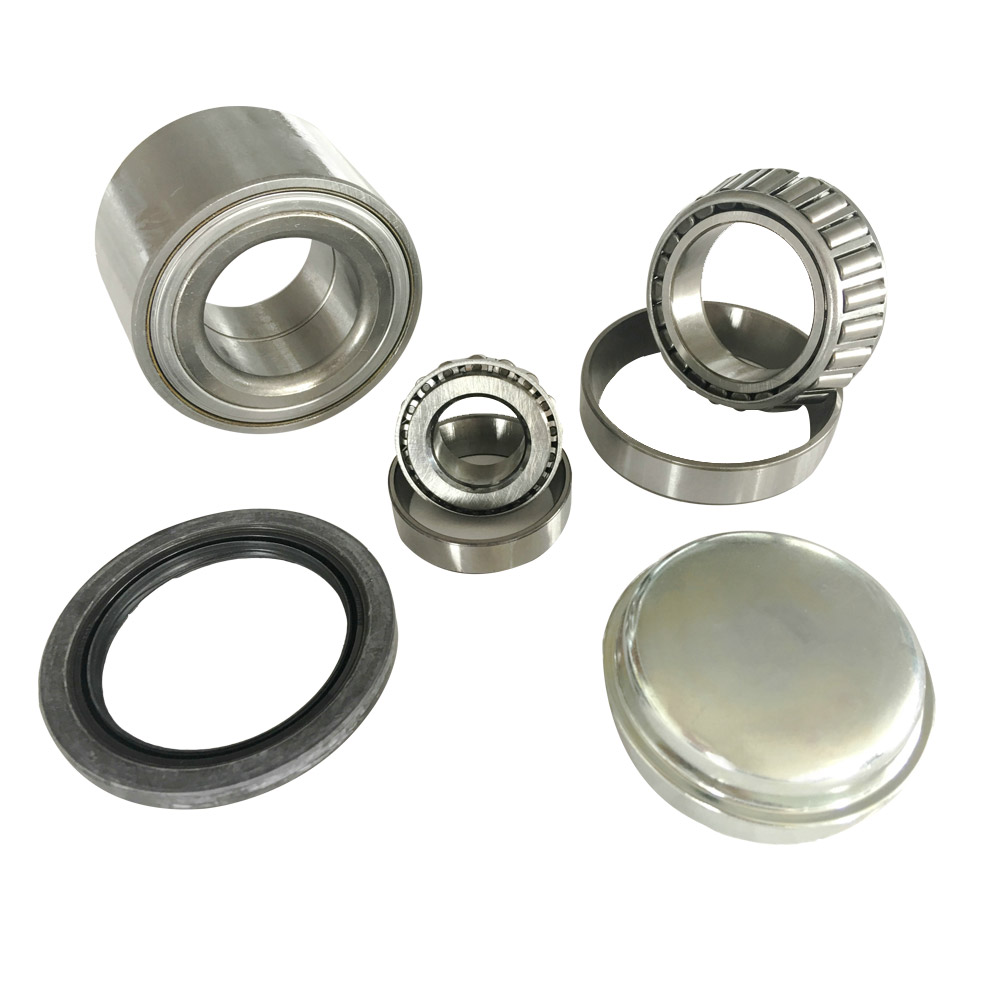
When a wheel hub bearing needs replacement, most modern vehicles use a hub bearing assembly that replaces as a complete unit rather than individual bearing components. This design simplifies the repair process but means the entire assembly, including the integrated ABS sensor if present, must be replaced together. Attempting to service individual bearing components on older press-fit designs requires specialized tools and precise torque specifications, so this work is generally best left to a qualified technician.
Proper installation torque is particularly important, since both under-tightening and over-tightening the hub nut can lead to premature bearing failure. Many manufacturers specify torque values that must be applied with a calibrated torque wrench rather than an impact gun, to ensure the bearing seats correctly and distributes load evenly.
Tips for a Successful Replacement
- Replace bearings in pairs on the same axle when one side shows significant wear
- Use manufacturer-specified torque values when tightening the hub nut
- Inspect related components such as CV joints and control arm bushings during replacement
- Choose OEM or reputable aftermarket bearing assemblies to ensure proper fit and durability
- Reset and verify ABS sensor function after installation if the sensor was integrated into the bearing unit
Addressing a wheel hub bearing issue promptly not only prevents further drivetrain damage but also protects overall vehicle safety, since a failed bearing can cause the wheel to become loose or, in severe cases, separate from the vehicle while driving. Regular attention to unusual noises or vibrations remains one of the most effective ways to catch bearing problems early and avoid more costly repairs later.
