


Content
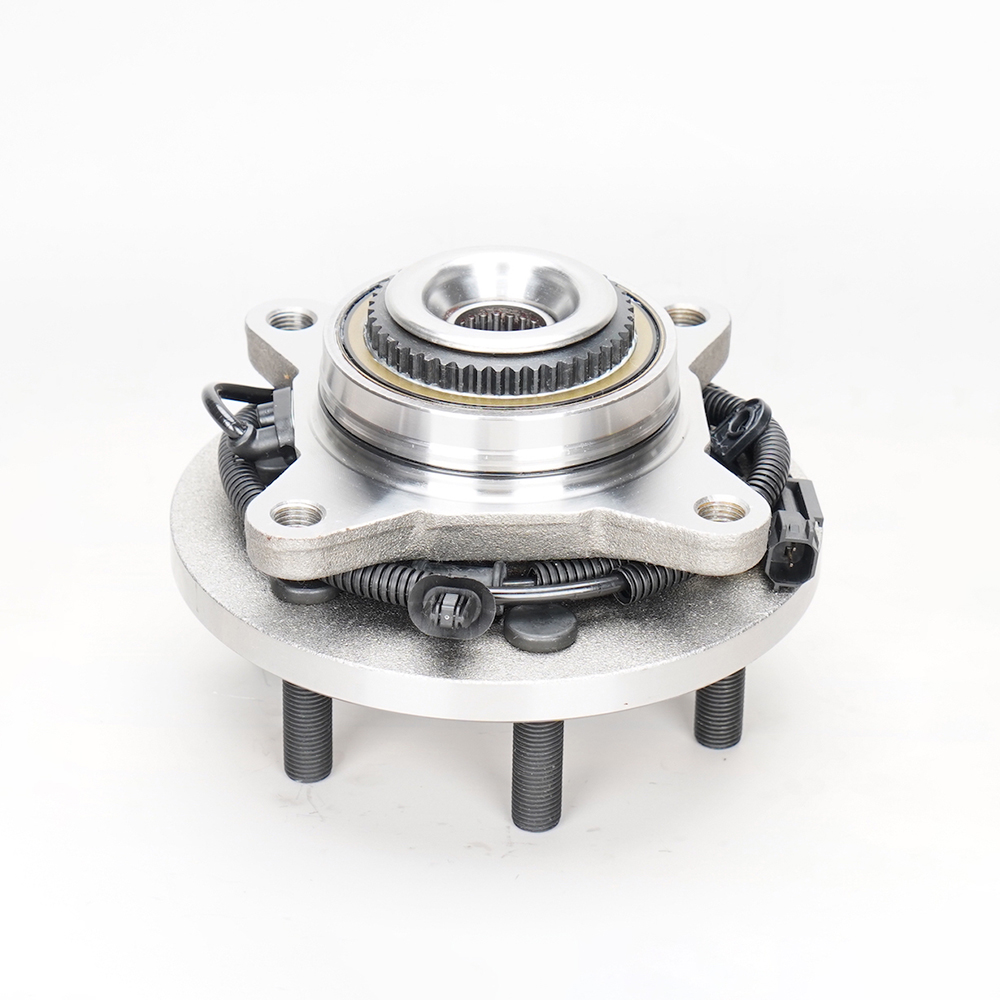
A wheel bearing hub assembly unit is a critical component in modern vehicles, combining the wheel hub and bearing into a single, pre-assembled unit. It supports the vehicle’s weight, allows the wheels to rotate smoothly, and maintains proper alignment. Failures in this component can lead to unsafe driving conditions, increased tire wear, and costly repairs. Understanding the common causes of failure and preventive measures is essential for vehicle owners and mechanics alike.
This article provides an in-depth analysis of wheel bearing hub assembly unit failures and offers practical guidance on how to prevent them, enhancing vehicle safety and longevity.
Excessive Load and Overweight Conditions
Wheel bearing hub assemblies are designed to support specific load ratings. Subjecting them to excessive weight can cause premature wear, deformation, or even catastrophic failure.
- Overloading vehicles beyond manufacturer specifications stresses bearings and hub components, increasing friction and heat buildup.
- Repeated heavy loads, such as towing trailers or carrying excessive cargo, can accelerate wear on the raceways and rolling elements.
- Preventive measure: Always adhere to the vehicle’s load rating and avoid carrying excessive weight regularly.
Poor Lubrication or Contamination
Proper lubrication is critical for reducing friction between the bearing components. Contaminants such as dirt, water, or debris can compromise lubrication and accelerate wear.
- Contaminated grease can cause uneven wear and increase friction, leading to overheating and premature failure.
- Water ingress from driving through floods or washing without proper sealing can corrode bearings internally.
- Preventive measure: Use quality lubricants recommended by the manufacturer and check seals regularly for damage.
Improper Installation and Alignment Issues
Incorrect installation of wheel bearing hub assemblies is a common cause of failure. Misalignment or over-torquing can create uneven stress distribution and early wear.
- Using improper tools or techniques during installation can damage the bearing races or hub surfaces.
- Incorrect torque on wheel bolts can cause hub deformation, leading to vibration, noise, and accelerated bearing wear.
- Preventive measure: Follow manufacturer torque specifications, use proper tools, and ensure accurate alignment during installation.

Driving Habits and Road Conditions
Aggressive driving and poor road conditions can impose additional stress on wheel bearing hub assemblies, increasing the risk of failure.
- Frequent cornering at high speeds, rapid acceleration, and sudden braking increase lateral and axial forces on the bearing unit.
- Driving on rough, uneven, or pothole-filled roads can lead to impact damage or gradual misalignment of the hub assembly.
- Preventive measure: Drive carefully on rough roads, avoid sudden impacts, and reduce excessive speeds when cornering or braking.
Corrosion and Environmental Exposure
Exposure to moisture, salt, and chemicals can accelerate corrosion, reducing the lifespan of the hub assembly unit.
- Road salts used in winter can corrode metal surfaces and compromise the bearing seals.
- Frequent exposure to water or chemicals without proper cleaning accelerates rust formation on the hub and bearing surfaces.
- Preventive measure: Clean the wheel hub area regularly, especially after driving on salted roads, and apply anti-corrosion treatments if recommended.
Signs of Impending Failure
Early detection of wear or damage can prevent catastrophic failure and improve vehicle safety.
- Unusual noises such as grinding, humming, or clicking while driving may indicate bearing wear or contamination.
- Vibrations or wobbling in the steering or wheels suggest misalignment or damaged hub components.
- Uneven tire wear can also signal hub assembly problems and should prompt inspection.
Preventive Maintenance Tips
Regular maintenance and careful handling can significantly extend the life of wheel bearing hub assemblies.
- Inspect the hub assembly and bearing seals periodically for signs of wear, corrosion, or damage.
- Maintain proper lubrication according to manufacturer recommendations and replace contaminated grease promptly.
- Ensure correct installation and torque specifications are followed during replacements or repairs.
- Avoid overloading, aggressive driving, and prolonged exposure to corrosive elements.
- Replace the hub assembly immediately if signs of significant wear, noise, or vibration are detected.
Conclusion
Wheel bearing hub assembly units are essential for vehicle safety, performance, and smooth wheel rotation. Common causes of failure include excessive load, poor lubrication, improper installation, harsh driving conditions, and corrosion. Recognizing early warning signs and performing preventive maintenance can significantly extend the lifespan of the hub assembly, improve vehicle handling, and prevent costly repairs.
By adhering to manufacturer guidelines, inspecting components regularly, and practicing safe driving habits, vehicle owners can ensure the reliable performance of their wheel bearing hub assembly units for many years.
