


Content
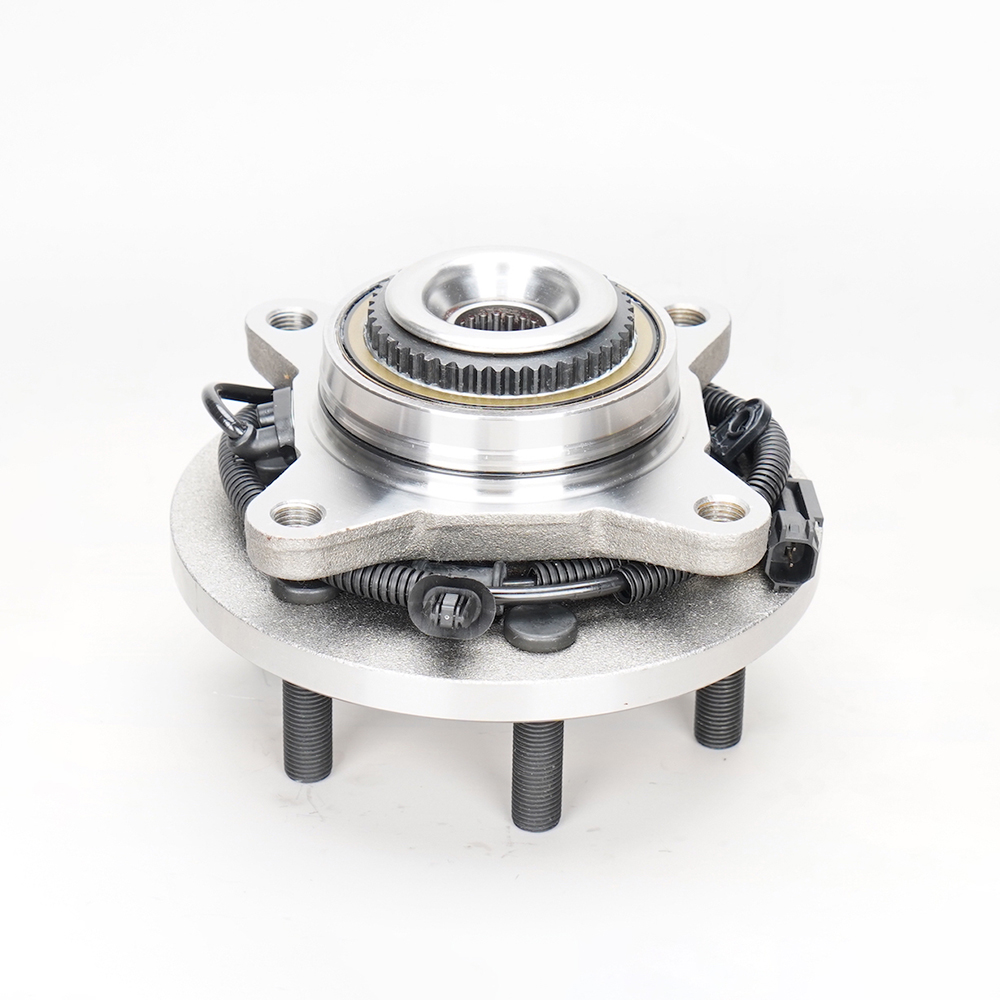
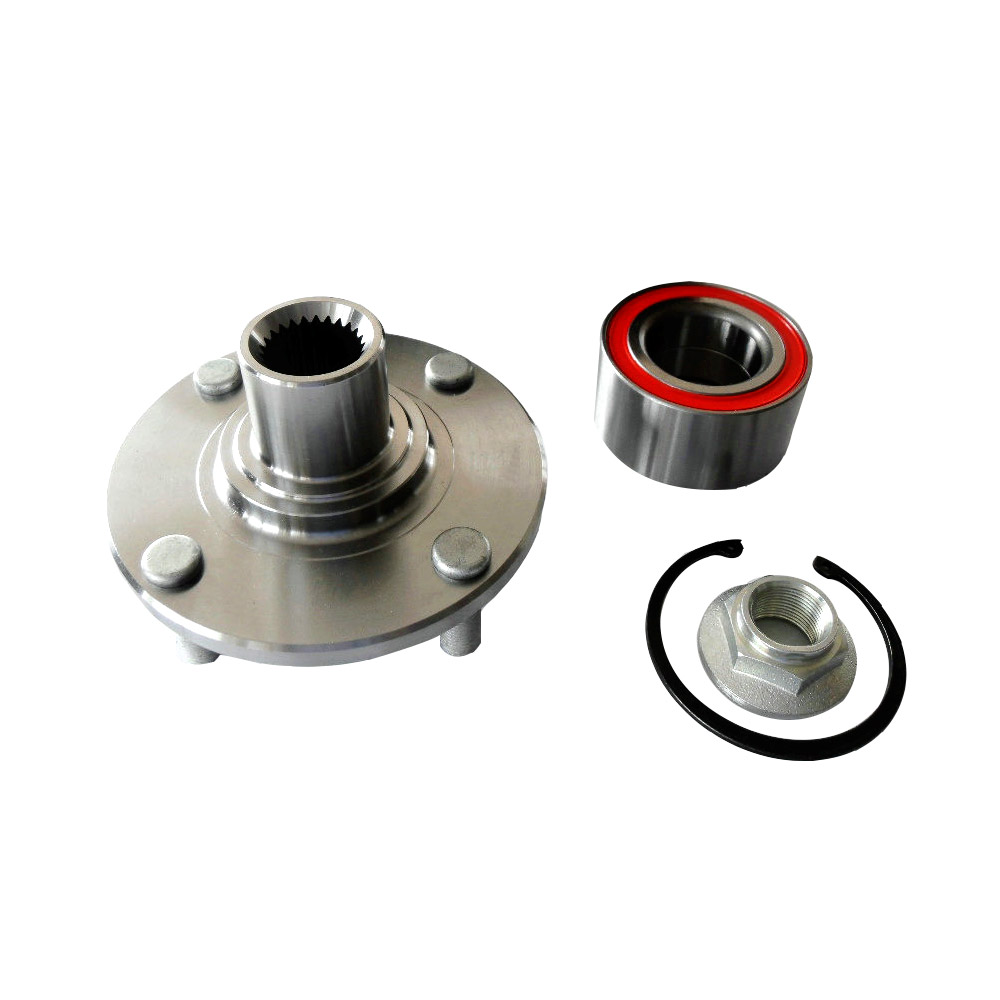
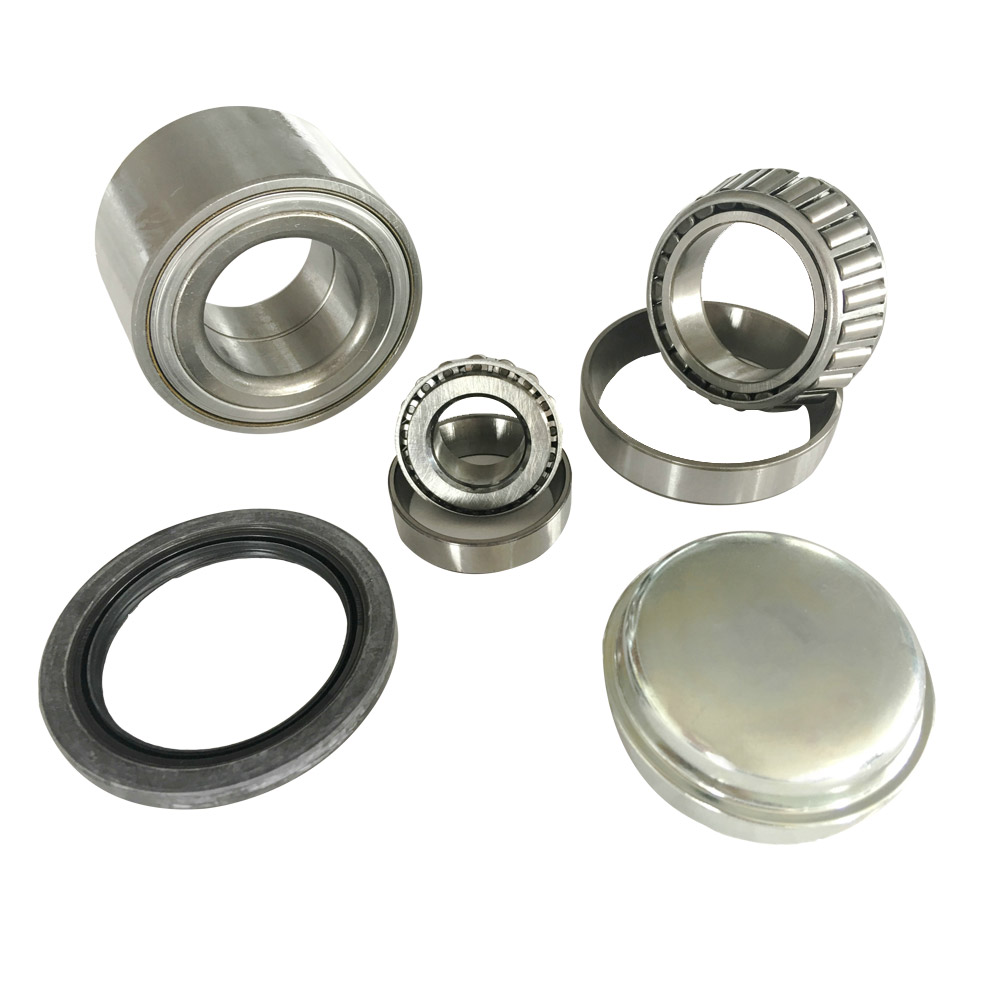
Wheel hub bearings are essential components in a vehicle's wheel assembly. They allow the wheel to rotate smoothly while supporting the vehicle's weight and maintaining proper alignment. High-quality bearings reduce friction, enhance performance, and ensure overall safety on the road.
Role of Wheel Hub Bearings in Vehicle Performance
Wheel hub bearings directly impact vehicle handling, steering precision, and overall ride comfort. When functioning correctly, they allow smooth wheel rotation, minimal vibration, and precise alignment, contributing to fuel efficiency and tire longevity.
Impact on Steering and Handling
A worn or damaged wheel hub bearing can lead to imprecise steering and unstable handling. Drivers may experience:
- Pulling to one side while driving
- Difficulty maintaining control at high speeds
- Delayed response to steering input
Influence on Suspension and Ride Comfort
Wheel hub bearings work in tandem with suspension components. Damaged bearings can transmit vibrations and noise to the chassis, resulting in an uncomfortable ride and increased wear on suspension parts.
Effects on Tire Wear and Alignment
A failing bearing can cause wheel misalignment, leading to uneven tire wear. This reduces tire lifespan and may increase fuel consumption due to improper rolling resistance.
Safety Implications of Faulty Wheel Hub Bearings
Wheel hub bearings are critical to vehicle safety. A failure can lead to catastrophic consequences, including wheel detachment or loss of control. Common safety concerns include:
Wheel Detachment Risks
A severely worn bearing can cause excessive play in the wheel, potentially leading to wheel detachment while driving. This scenario poses significant risk to passengers and other road users.
Brake System Performance
Wheel hub bearings are closely linked to brake assemblies. A malfunctioning bearing can affect rotor alignment and braking efficiency, increasing stopping distances and compromising safety.
Impact on ABS and Electronic Stability Systems
Modern vehicles integrate wheel speed sensors within the hub assembly. A faulty bearing can generate incorrect sensor data, triggering ABS warnings or stability control malfunctions.
Signs of a Failing Wheel Hub Bearing
Recognizing the early warning signs of a bad wheel hub bearing can prevent accidents and costly repairs. Key indicators include:
- Unusual grinding or humming noises from the wheel area
- Vibrations or wobbling felt in the steering wheel
- Uneven tire wear patterns
- Wheel play or looseness when lifted off the ground
- ABS or warning lights triggered on the dashboard
Maintenance and Replacement Tips
Proper maintenance and timely replacement of wheel hub bearings are crucial for safety and performance. Recommendations include:
- Regularly inspect for unusual noises or vibrations
- Check tire wear and alignment periodically
- Ensure proper lubrication and installation of bearings
- Replace bearings immediately if signs of wear are detected
- Use manufacturer-approved parts for replacements
Choosing High-Quality Wheel Hub Bearings
Selecting the right bearing material and design can extend service life and enhance vehicle safety. Key considerations include:
- Material durability and corrosion resistance
- Compatibility with vehicle make and model
- Sealed bearings for long-term maintenance-free operation
- High precision for minimal friction and smooth rotation
Conclusion
Wheel hub bearings are critical to both vehicle performance and safety. They affect steering, handling, suspension, braking, and tire wear. Recognizing early signs of failure and ensuring proper maintenance can prevent accidents, reduce repair costs, and maintain optimal vehicle performance.
