


Content
Introduction to Wheel Hub Bearings
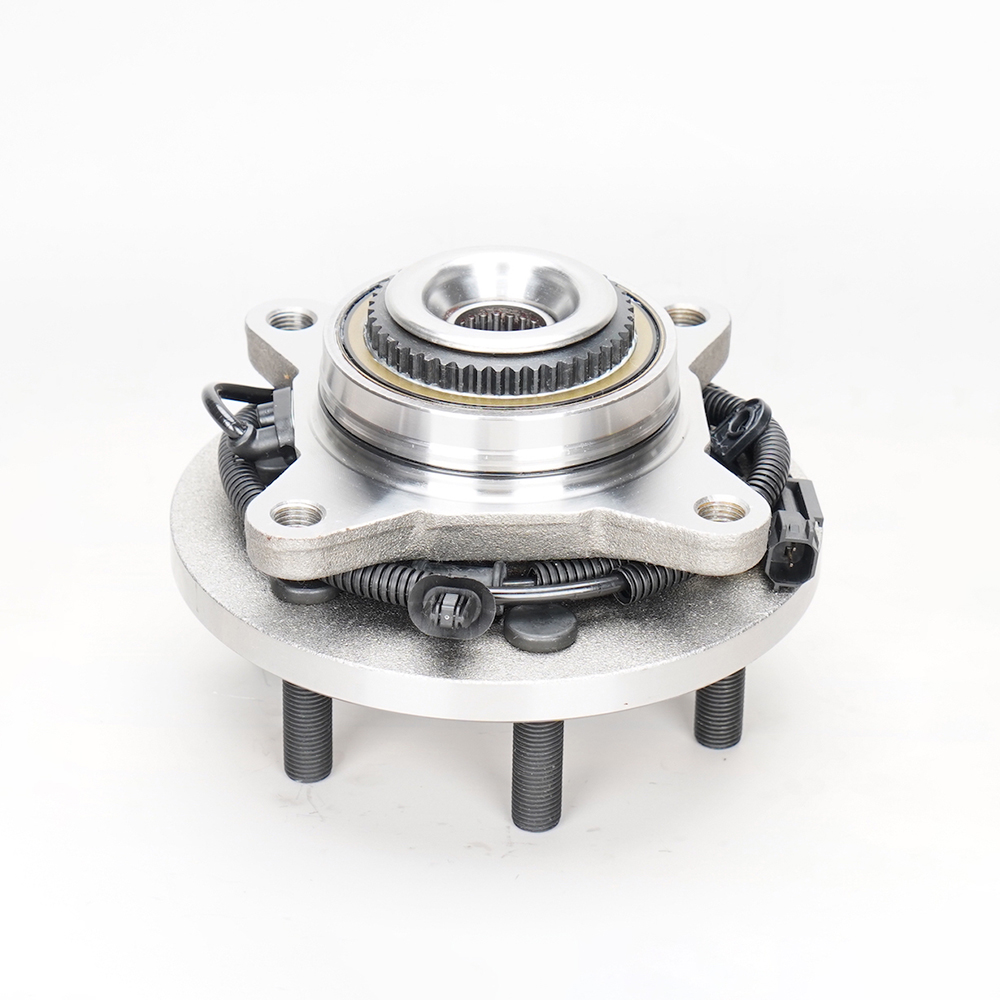
Wheel hub bearings are essential components of a vehicle's suspension and drive system, responsible for supporting the wheel's rotational motion while maintaining alignment. They reduce friction and wear, contribute to vehicle stability, and are critical for safety and performance.
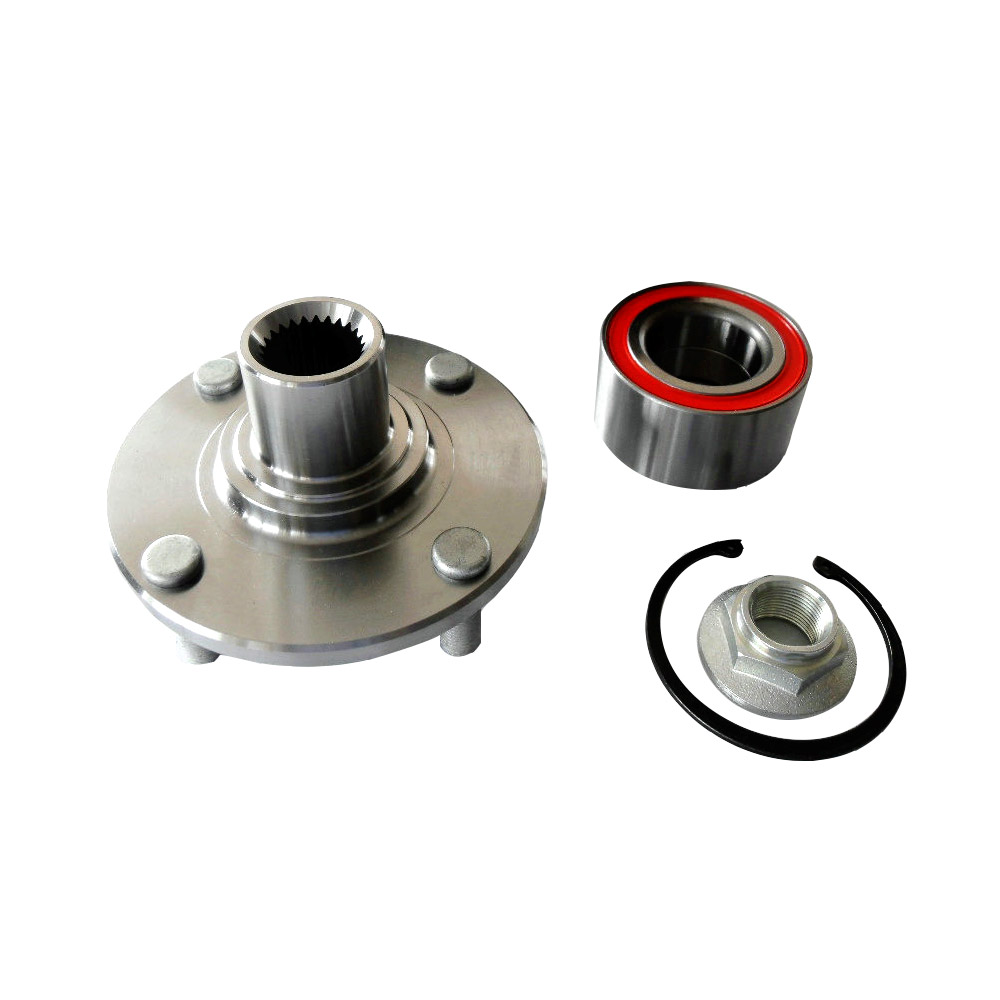
Modern wheel hub bearings typically employ either single-row or two-bearing structures. Understanding the design principles, advantages, and application considerations of two-bearing structures is vital for engineers, mechanics, and automotive enthusiasts aiming to optimize wheel performance and longevity.
Overview of Two Bearing Structures
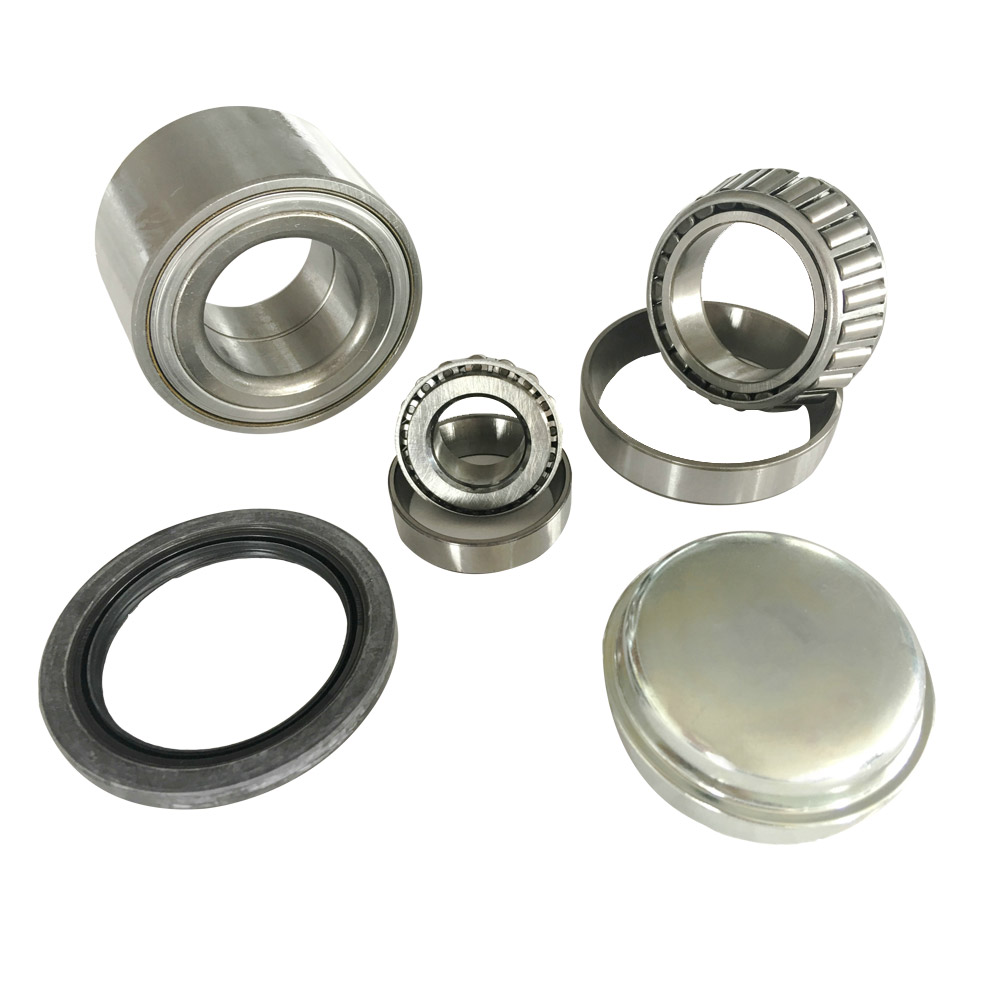
Two-bearing structures, also known as dual-row bearing assemblies, integrate two separate bearing rows within a single hub unit. This design can take several forms, including angular contact bearings arranged in tandem, paired ball bearings, or roller-bearing configurations. Each configuration is optimized to handle axial and radial loads simultaneously.
Design Principles
The core principle behind two-bearing structures is load distribution. By separating the bearing rows, radial and axial loads are evenly distributed, reducing localized stress and enhancing durability. Angular contact bearings in a face-to-face or back-to-back configuration provide both rigidity and tolerance to misalignment, improving stability at high speeds.
Load Handling Capabilities
Two-bearing assemblies are designed to handle higher combined loads than single-row bearings. One row typically bears the majority of radial forces, while the second row stabilizes axial and moment loads, preventing hub deflection. This arrangement is particularly beneficial for larger vehicles, heavy-duty applications, or high-performance sports cars where wheel stress is significant.

Types of Two Bearing Configurations
Back-to-Back Configuration
In a back-to-back (DB) arrangement, the two bearing rows are mounted with their contact angles facing outward. This configuration offers high rigidity and the ability to handle combined radial and axial loads in both directions. It also provides better resistance to moment loads and tilting, making it suitable for heavy-duty applications.
Face-to-Face Configuration
Face-to-face (DF) configurations have the bearing rows with contact angles facing inward. This design is more tolerant of misalignment and thermal expansion but generally offers slightly lower rigidity than the back-to-back arrangement. It is widely used in passenger vehicles where smooth operation and reduced sensitivity to alignment errors are important.
Tandem or Paired Bearings
Tandem arrangements involve two bearings aligned along the same axis, sharing load in sequence. This setup is ideal for high axial load applications, such as front-wheel-drive hubs, where forces from braking and steering need to be absorbed efficiently without compromising rotational accuracy.
Advantages of Two Bearing Structures
Enhanced Load Capacity
The primary benefit of two-bearing structures is the increased load capacity. Dual rows allow for larger combined radial and axial loads without excessive wear. This leads to longer service life and more reliable performance under challenging driving conditions.
Improved Rigidity and Stability
Dual-row configurations provide greater hub rigidity. This minimizes deflection and vibration during cornering, braking, or acceleration, enhancing handling stability and ride comfort. Vehicles equipped with two-bearing hubs exhibit less noise and smoother wheel rotation at high speeds.
Better Axial Load Distribution
Axial loads generated during turning, braking, and uneven road surfaces are effectively managed with two-bearing designs. By separating axial and radial load responsibilities across the two rows, hub bearings maintain consistent alignment and reduce stress on the axle and suspension components.
- Enhanced durability under high-load conditions
- Reduced maintenance frequency
- Improved vehicle safety and handling
Comparative Analysis with Single Bearing Structures
Comparing two-bearing hubs to single-row bearings highlights why dual configurations are increasingly preferred in modern vehicles.
| Feature | Single Bearing | Two Bearing |
| Radial Load Capacity | Moderate | High |
| Axial Load Management | Limited | Superior |
| Rigidity and Stability | Moderate | High |
| Service Life | Moderate | Extended |
Applications and Use Cases
Passenger Vehicles
Two-bearing wheel hubs are widely used in passenger vehicles to provide smooth handling, reduced noise, and enhanced safety. They are especially beneficial for front-wheel-drive systems and vehicles with heavy braking demands.
Commercial Trucks and Buses
Heavy-duty vehicles experience significant loads and stress on wheel assemblies. Dual-row bearings distribute these loads efficiently, ensuring reliable operation under prolonged high-weight conditions and reducing premature bearing failure.
High-Performance and Sports Cars
For performance applications, two-bearing hubs enhance steering precision, cornering stability, and load resistance at high speeds. The improved rigidity directly translates into better handling and reduced vibration feedback to the driver.
Maintenance and Installation Considerations
Lubrication Requirements
Proper lubrication is essential for two-bearing structures to maintain low friction, prevent overheating, and extend service life. High-quality grease or oil must be used, and intervals between maintenance should follow manufacturer recommendations.
Alignment and Mounting
Correct installation is critical. Both bearing rows must be aligned precisely to prevent uneven load distribution. Preload adjustments, torque specifications, and hub mounting procedures must be carefully followed to avoid premature wear.
Replacement and Inspection
Routine inspections for noise, vibration, and play are necessary to ensure optimal performance. Replacement intervals depend on vehicle usage, load conditions, and environmental factors, but dual-row bearings generally have a longer operational lifespan than single-row alternatives.
Conclusion
Two-bearing structures for wheel hub bearings provide superior load capacity, rigidity, and stability compared to single-bearing alternatives. Their dual-row design effectively manages radial and axial forces, improving safety, performance, and longevity of the wheel assembly.
From passenger vehicles to heavy-duty trucks and high-performance sports cars, these designs are critical for modern automotive engineering. By understanding their advantages, configurations, and maintenance needs, engineers and mechanics can optimize vehicle performance and extend component life.
