


Content
- 1 What Is a Wheel Bearing Hub Assembly Unit?
- 2 How Does a Wheel Bearing Hub Assembly Unit Work?
- 3 What Are the Main Components Inside the Assembly?
- 4 Why Is Hub Assembly Quality So Important?
- 5 Where Are Wheel Bearing Hub Units Commonly Used?
- 6 How Can Buyers Choose the Right Hub Assembly Unit?
- 7 Why Will Demand Continue to Grow?
What Is a Wheel Bearing Hub Assembly Unit?
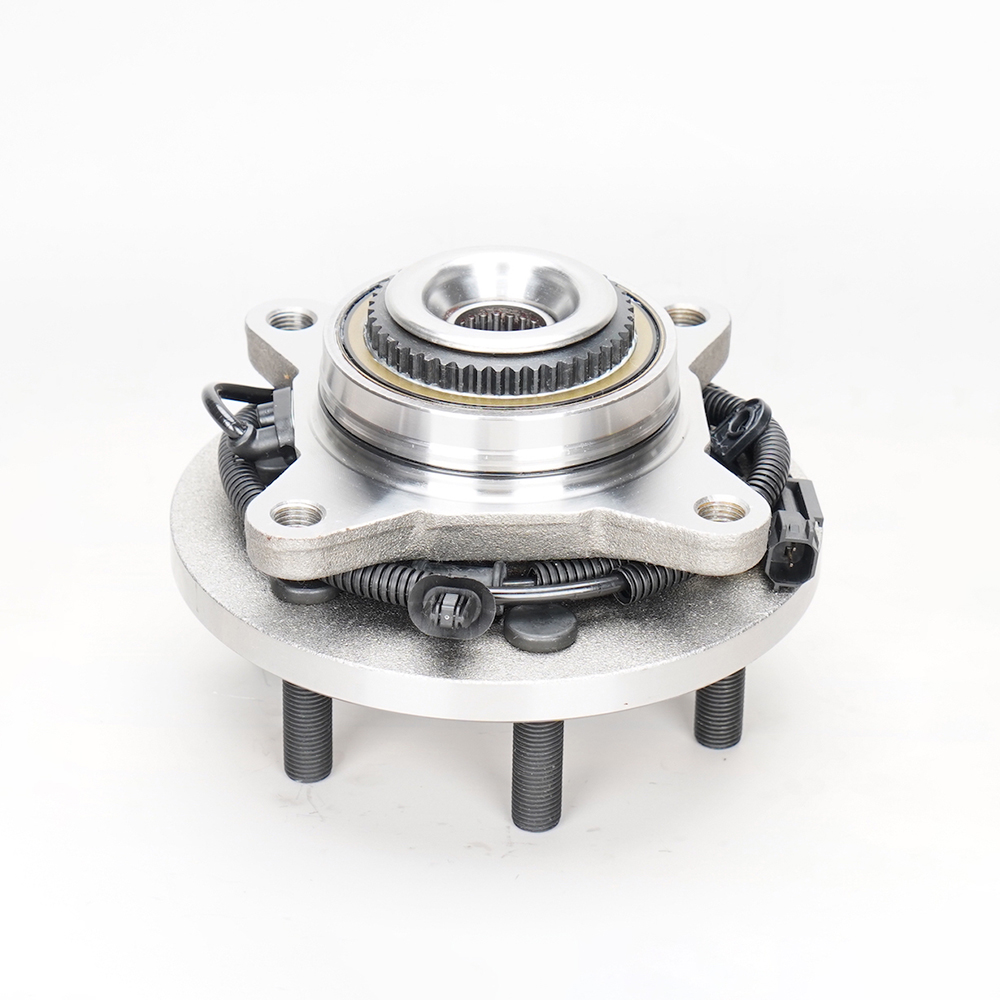
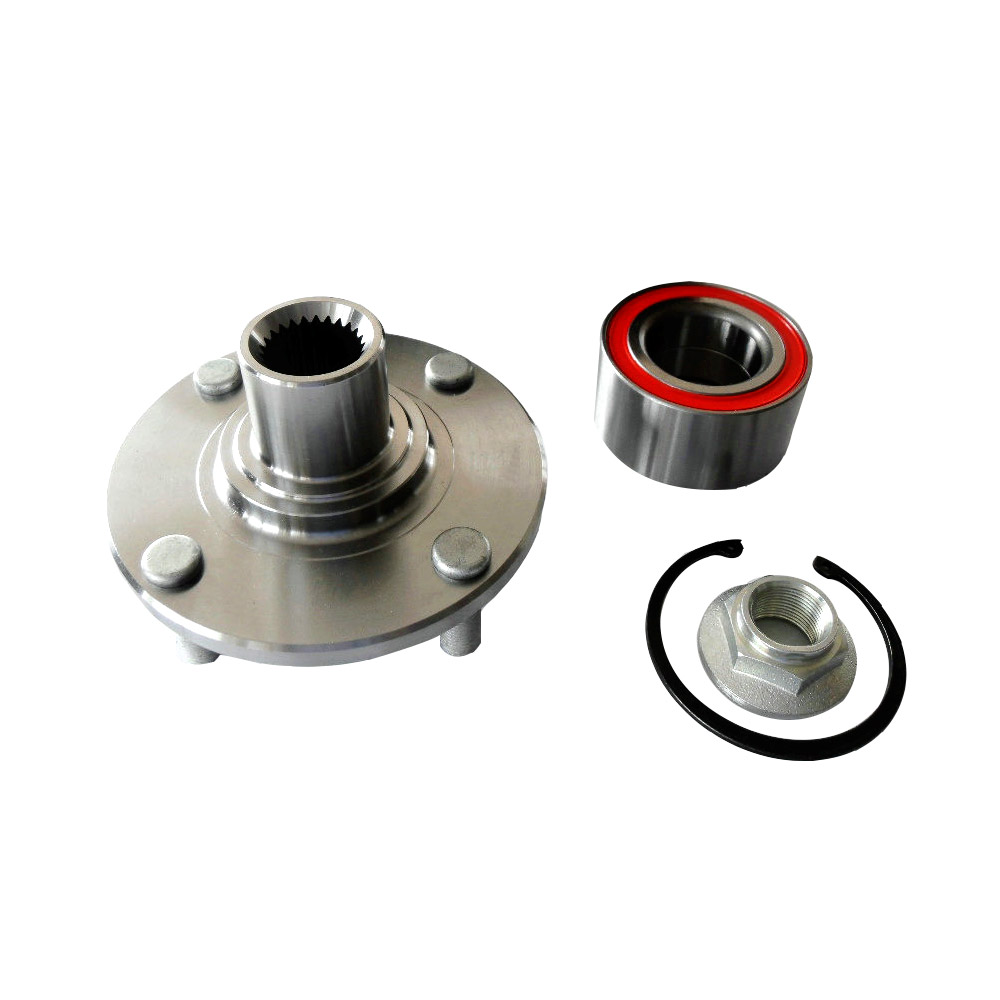
A wheel bearing hub assembly unit is a critical automotive component that connects the wheel to the vehicle’s suspension and axle system while enabling smooth wheel rotation. It integrates the wheel hub, precision bearing elements, mounting flange, and often the ABS sensor interface into one compact unit. This integrated design simplifies installation, improves structural strength, and ensures accurate wheel alignment under various driving conditions.
In modern vehicles, the wheel hub assembly plays a major role in driving safety, handling stability, braking efficiency, and ride comfort. Whether used in passenger cars, SUVs, light commercial vehicles, or heavy-duty trucks, this component must withstand constant radial and axial loads generated by road contact, acceleration, braking, and cornering.
Compared with traditional separate bearing and hub structures, the wheel bearing hub assembly unit offers better sealing performance, easier replacement, and enhanced durability. For automotive aftermarket suppliers, OEM manufacturers, and distributors, it remains one of the most important chassis and suspension parts categories.
How Does a Wheel Bearing Hub Assembly Unit Work?
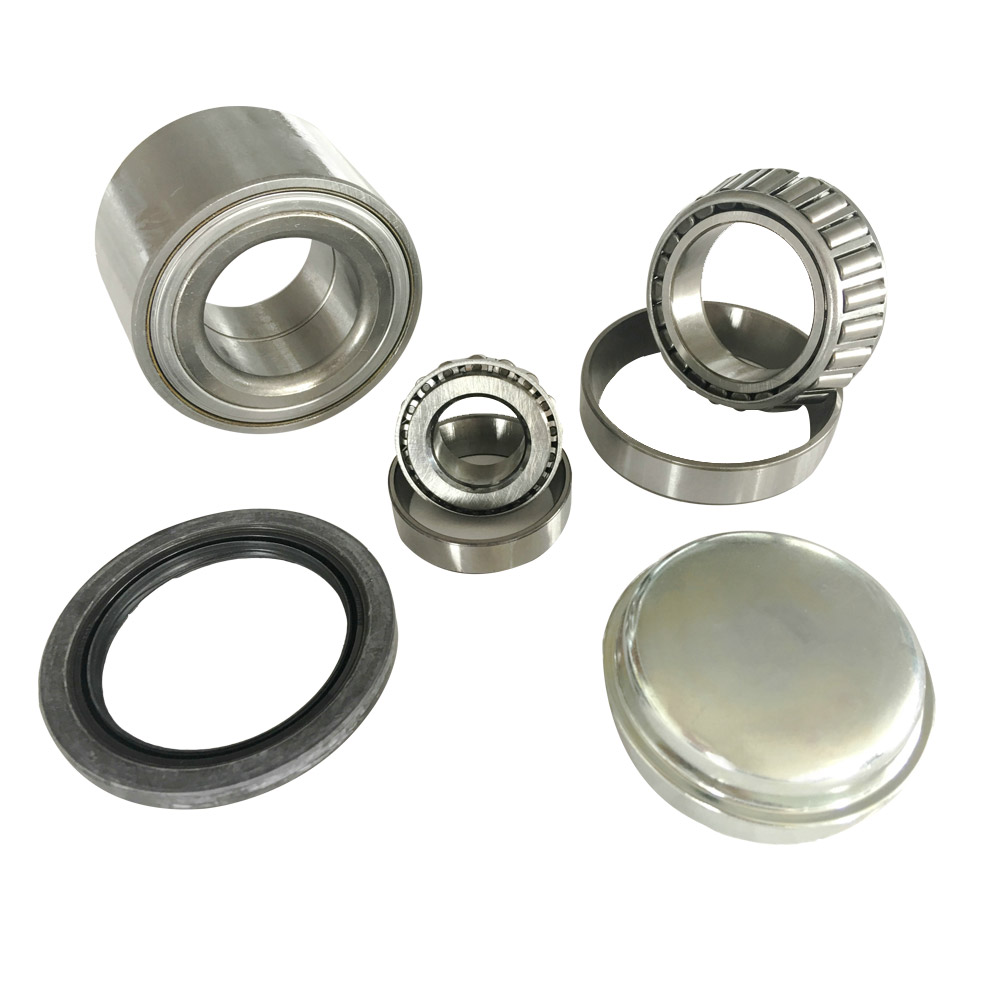
The primary function of the wheel bearing hub assembly unit is to support the vehicle wheel while allowing low-friction rotational movement. Inside the unit, precision ball bearings or tapered roller bearings reduce rotational resistance and maintain accurate alignment between the wheel and axle.
As the vehicle moves, the hub assembly carries both vertical load from vehicle weight and lateral load generated during turning. At the same time, it ensures stable wheel rotation even at high speeds.

Main Functions
- Supports vehicle wheel load
- Ensures smooth wheel rotation
- Maintains wheel alignment
- Integrates ABS signal transmission
- Improves steering stability
Many modern units also integrate ABS magnetic encoder rings or wheel speed sensors, which are essential for electronic braking and traction control systems.
What Are the Main Components Inside the Assembly?
Although it is sold as one integrated unit, the assembly contains several precisely engineered parts that work together.
| Component | Function | Importance |
| Hub Flange | Wheel mounting | Structural support |
| Bearing Set | Rotation support | Smooth motion |
| Seal Ring | Dust protection | Long lifespan |
| ABS Ring | Speed signal | Safety systems |
The bearing set is usually pre-lubricated and sealed for life, reducing maintenance requirements. High-quality sealing rings protect internal components from water, dust, and road debris.
Why Is Hub Assembly Quality So Important?
The wheel bearing hub assembly directly affects vehicle safety and performance. Poor-quality units may lead to vibration, wheel noise, steering instability, uneven tire wear, and even wheel detachment in extreme cases.
A high-quality assembly ensures precise bearing clearance, superior load capacity, and excellent fatigue resistance. This is especially important for vehicles that frequently operate under high-speed, heavy-load, or poor road conditions.
Key Performance Benefits
- Reduced wheel vibration
- Improved driving comfort
- Stable braking performance
- Longer tire life
For fleet vehicles and commercial trucks, durability and consistency are particularly critical because failure can lead to costly downtime.
Where Are Wheel Bearing Hub Units Commonly Used?
Wheel bearing hub assemblies are used across nearly all types of road vehicles.
Passenger Vehicles
Sedans, hatchbacks, SUVs, and crossover vehicles all rely on hub assemblies for front and rear wheel support.
Commercial Vehicles
Vans, pickups, delivery trucks, and logistics vehicles require high-load-bearing hub units designed for longer service intervals.
Heavy-Duty Applications
Buses, trailers, and industrial transport vehicles use reinforced wheel hub units built for continuous heavy-load operation.
- Passenger cars
- SUVs
- Light trucks
- Commercial fleets
How Can Buyers Choose the Right Hub Assembly Unit?
For wholesalers, repair shops, and aftermarket distributors, selecting the correct wheel bearing hub assembly requires accurate vehicle compatibility matching.
Important Selection Factors
- OEM part number compatibility
- Vehicle make and model
- ABS sensor integration
- Load capacity rating
- Seal and lubrication quality
Precision manufacturing standards such as ISO/TS certifications and fatigue testing data are also important for professional buyers.
Why Will Demand Continue to Grow?
As vehicle production and automotive aftermarket demand continue to grow globally, wheel bearing hub assembly units remain a high-demand product category. Increasing requirements for driving comfort, electronic safety systems, and durable replacement parts will continue to drive market expansion.
For manufacturers and distributors, offering high-precision, vehicle-specific hub assemblies is essential for long-term competitiveness in the automotive parts market.
