


Content
A wheel hub spindle kit is a critical component of your vehicle's wheel assembly, providing support for the wheel hub and ensuring smooth rotation. Over time, wear and tear can compromise its functionality, leading to safety hazards, uneven tire wear, and poor driving performance. Recognizing the signs that a spindle kit requires replacement is essential for maintaining vehicle safety and efficiency.
This article explores the key indicators of a failing wheel hub spindle kit, methods for inspection, and maintenance tips to prolong its lifespan.
Understanding the Function of a Wheel Hub Spindle Kit
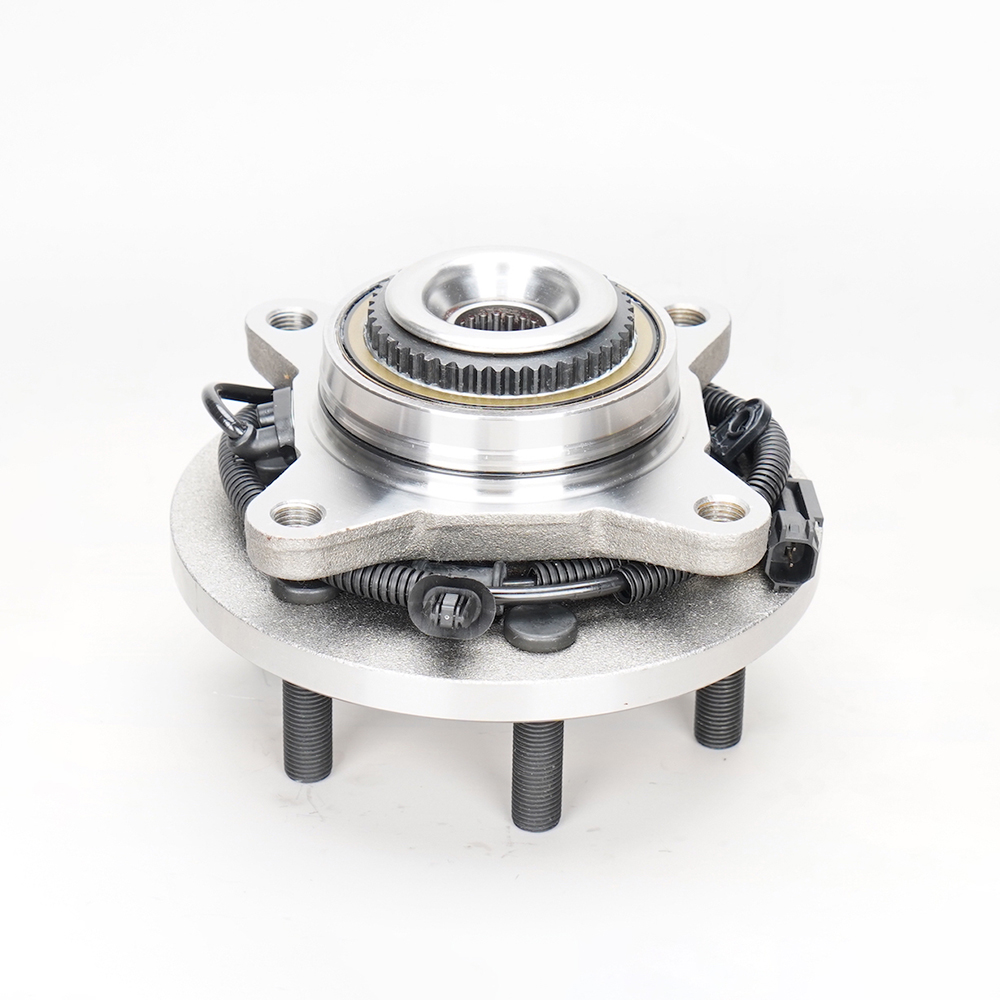
Wheel hub spindle kits connect the wheel hub to the suspension system and provide a stable axis for wheel rotation. They house bearings and other critical components, ensuring minimal friction and smooth wheel movement. A worn or damaged spindle can directly affect handling, braking, and overall vehicle stability.
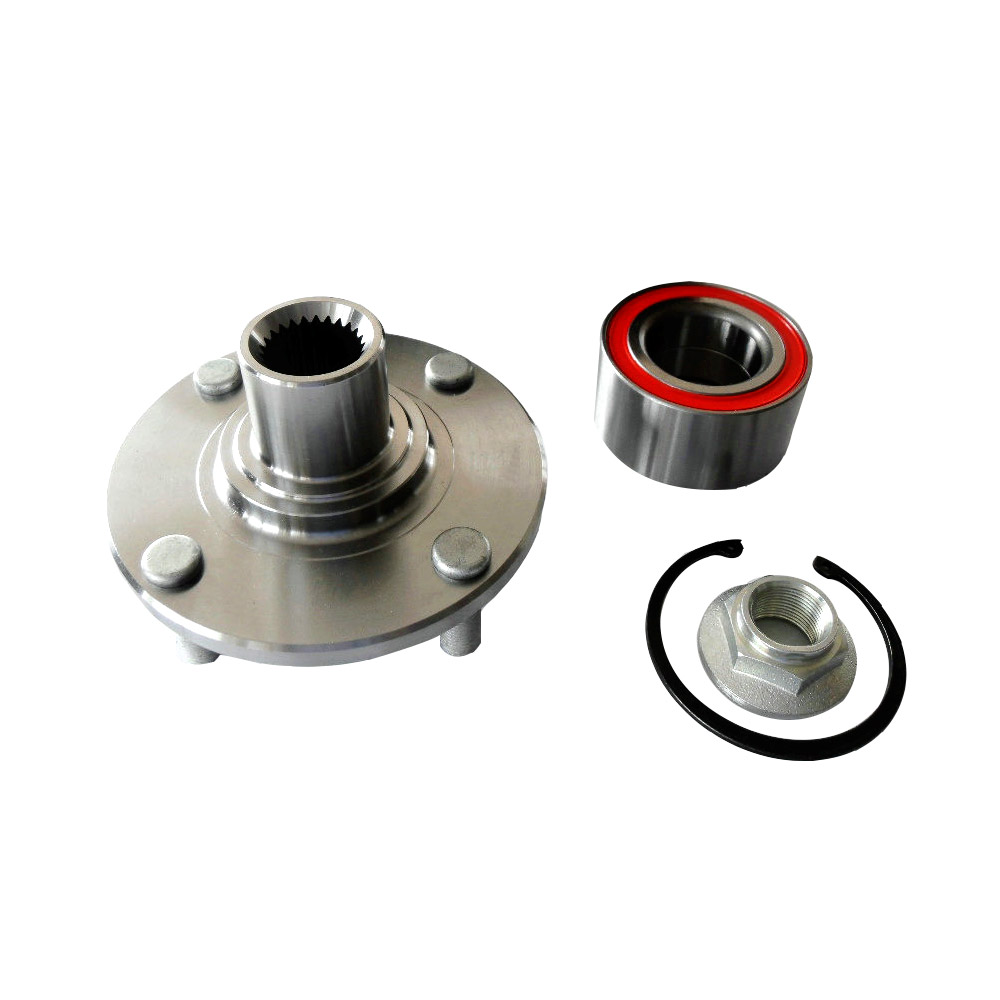
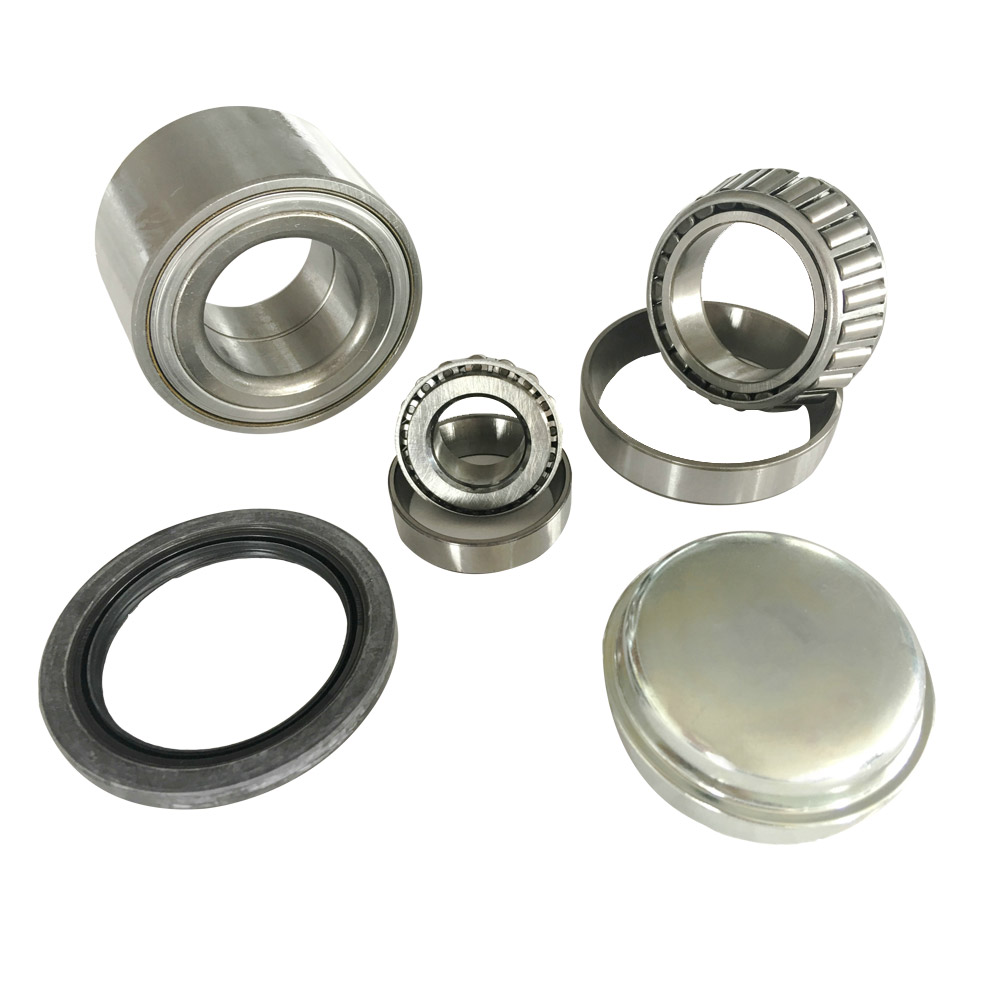
Components Included in a Spindle Kit
- Spindle or hub shaft – provides the rotational axis for the wheel hub.
- Bearings – support the hub rotation and reduce friction.
- Seals and nuts – prevent dirt and debris from entering the bearing assembly.
Common Signs of a Worn Wheel Hub Spindle Kit
Identifying early signs of wear can prevent accidents and costly repairs. Several symptoms indicate that a wheel hub spindle kit may need replacement.
Unusual Noises While Driving
- Grinding or humming noises when turning or accelerating can indicate bearing wear or spindle misalignment.
- Clicking or popping sounds during cornering may signal loose or damaged components within the spindle kit.
Vibrations and Wheel Play
- Excessive wheel vibration while driving at high speeds can be a sign of spindle or bearing deterioration.
- If the wheel moves laterally when lifted off the ground, it may indicate loose or worn spindle components.
Uneven Tire Wear
A damaged spindle kit can cause uneven tire wear due to misalignment or irregular wheel rotation. Inspecting your tires regularly helps identify spindle issues before they escalate.
Poor Handling and Steering Response
If the vehicle pulls to one side, feels unstable, or the steering wheel vibrates, it may indicate spindle wear. Timely replacement ensures safer handling and optimal driving performance.
Inspection Techniques for Wheel Hub Spindle Kits
Routine inspection is critical for early detection of spindle issues. Several methods can be employed to assess the condition of your spindle kit.
Visual Inspection
- Check for visible cracks, corrosion, or wear marks on the spindle shaft and hub assembly.
- Inspect seals and nuts for damage or loosening, which could allow dirt to enter the bearings.
Manual Wheel Testing
With the vehicle lifted, rotate the wheel by hand to detect roughness, grinding, or unusual resistance. Any irregularities may indicate internal spindle or bearing issues requiring attention.
Professional Diagnostic Tools
Automotive technicians may use dial indicators, vibration analyzers, or torque wrenches to measure spindle play and bearing wear precisely. Regular professional inspections extend the life of wheel hub spindle kits.

Replacement Guidelines and Best Practices
Replacing a wheel hub spindle kit requires careful attention to ensure safety and performance. Following manufacturer guidelines and proper installation procedures is crucial.
Choosing the Right Replacement Kit
- Select kits compatible with your vehicle’s make, model, and year.
- Opt for high-quality components from reputable manufacturers to ensure durability and safety.
Installation Tips
- Clean and lubricate all parts thoroughly before assembly to reduce wear and friction.
- Torque nuts and bolts according to the manufacturer’s specifications to prevent loosening or damage.
- Double-check wheel alignment and test drive the vehicle to confirm proper function.
Maintenance Tips to Extend Spindle Life
Regular maintenance prolongs the life of your wheel hub spindle kit and ensures optimal vehicle performance.
Routine Inspections
Inspect wheel hubs, bearings, and seals every 10,000 to 15,000 miles or during regular service intervals to detect early signs of wear.
Proper Lubrication
Use recommended greases for bearings and moving parts. Proper lubrication minimizes friction and reduces the risk of overheating or premature wear.
Avoiding Overloading
Excessive weight or aggressive driving can accelerate spindle wear. Follow vehicle load specifications and drive responsibly to extend component life.
Conclusion
Recognizing the signs of a failing wheel hub spindle kit is essential for vehicle safety and performance. By monitoring noises, vibrations, tire wear, and steering response, performing regular inspections, and following proper replacement and maintenance practices, drivers can ensure smooth operation, prevent accidents, and prolong the lifespan of their wheel hub spindle kits.
