


Content
- 1 Structure and Components of a Wheel Hub Unit
- 2 Functions of a Wheel Hub Unit
- 3 Types of Wheel Hub Units
- 4 Materials and Manufacturing Processes
- 5 Common Issues and Maintenance
- 6 Installation and Replacement Guidelines
- 7 Performance and Safety Considerations
- 8 Comparison Table of Wheel Hub Unit Types
- 9 Conclusion
A wheel hub unit is a critical component in modern vehicles, providing the mounting point for the wheels while enabling smooth rotation. It integrates the wheel bearing with the hub assembly, ensuring stability, durability, and precise alignment. Proper functioning of the wheel hub unit is essential for vehicle safety, handling, and performance, making it a key focus in both automotive design and maintenance.
Wheel hub units are widely used in passenger cars, trucks, SUVs, and commercial vehicles. They have evolved from simple bearing assemblies to highly integrated units that can include sensors for anti-lock braking systems (ABS) and traction control systems (TCS). Understanding their structure, function, and maintenance is crucial for automotive engineers, mechanics, and vehicle owners alike.
Structure and Components of a Wheel Hub Unit
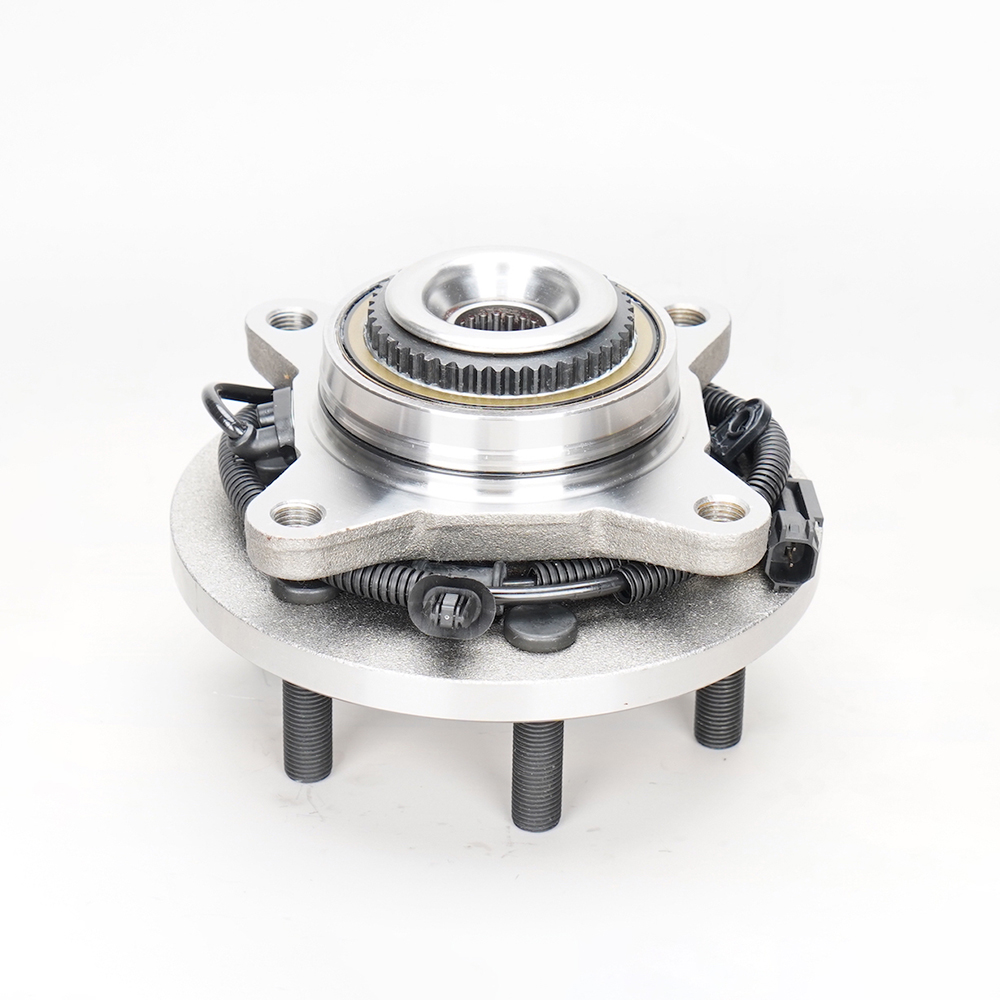
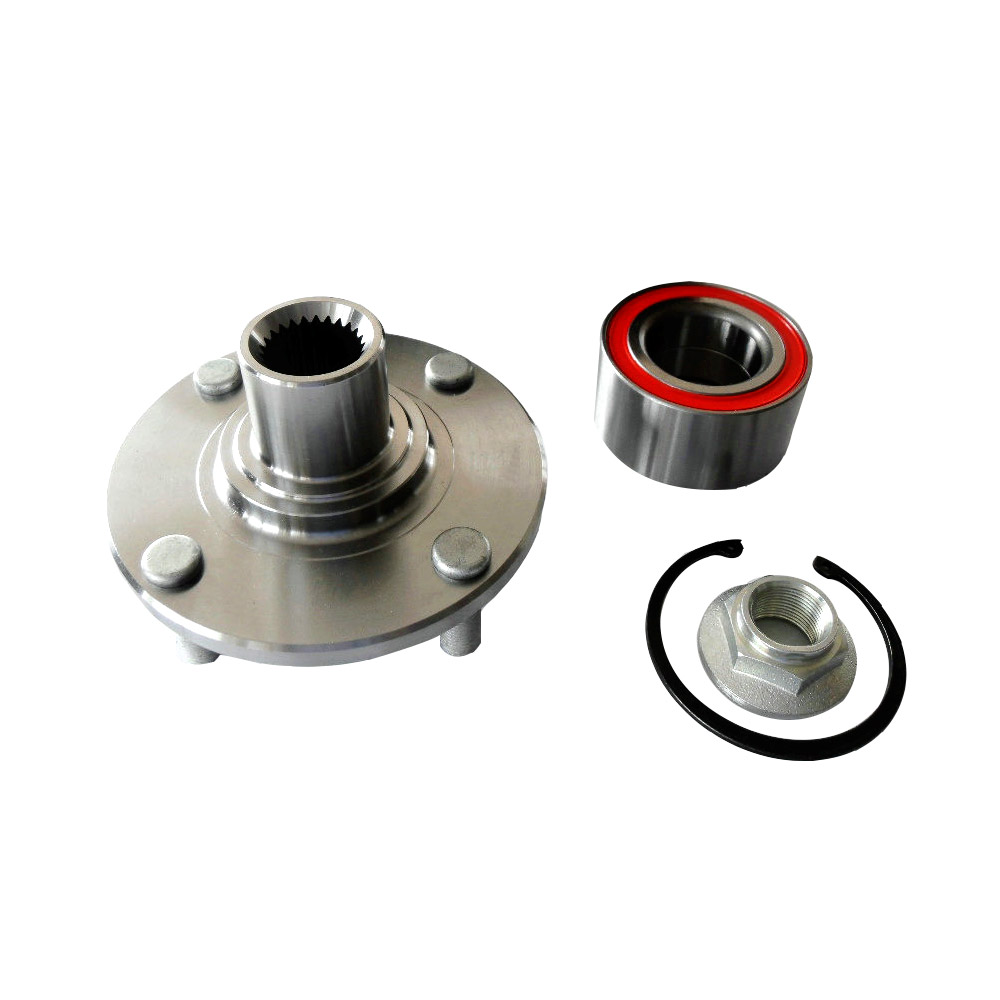
A wheel hub unit is composed of several integral components that work together to support the vehicle’s wheel and allow rotational motion with minimal friction.
Wheel Bearing
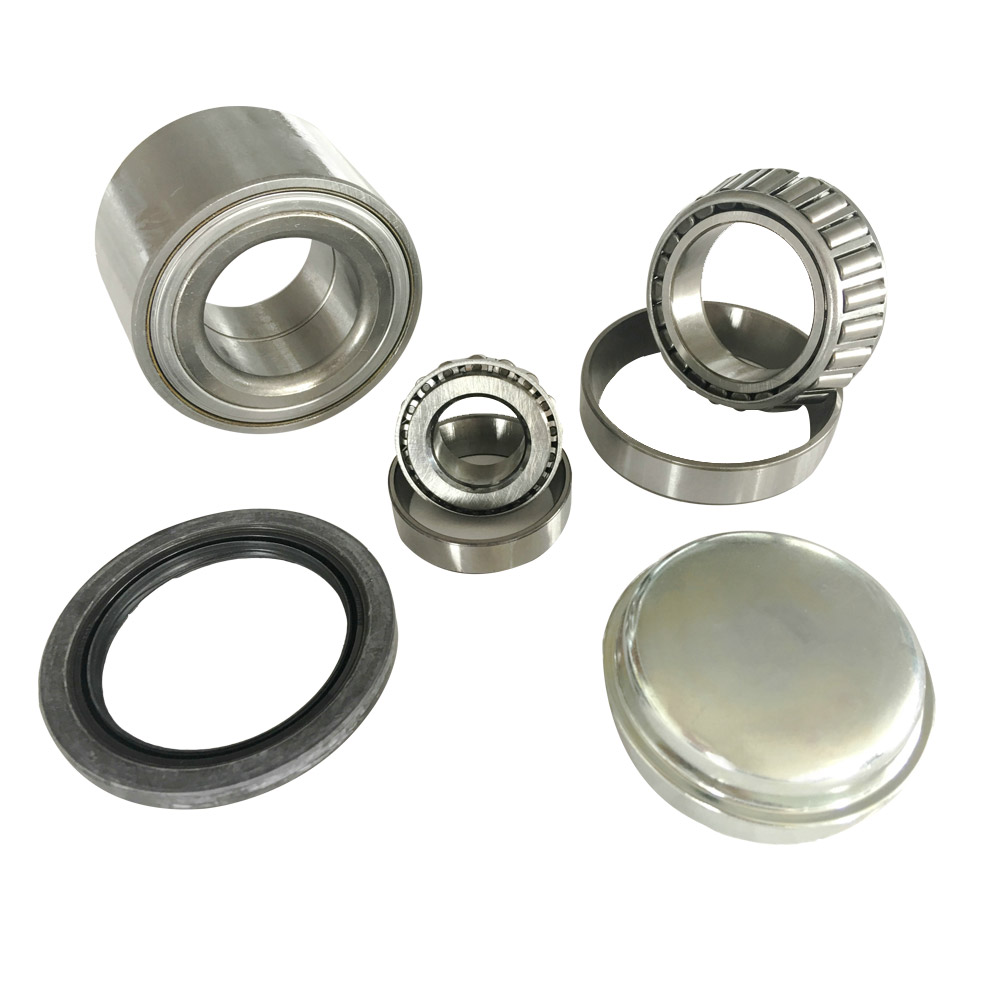
The wheel bearing is the core component of the hub unit. It supports the vehicle's weight and allows the wheel to rotate smoothly. Wheel bearings can be single-row or double-row, ball or roller type, and are designed to handle both radial and axial loads.
Hub Flange
The hub flange is the mounting surface for the wheel. It connects the wheel to the hub unit and ensures proper alignment with the vehicle’s suspension system. The flange must be precisely machined to maintain wheel balance and prevent vibrations.
ABS Sensor and Tone Ring
Many modern wheel hub units include an ABS sensor and a tone ring. The tone ring generates signals that allow the ABS sensor to monitor wheel speed, contributing to braking safety and stability control. Integration of these components into the hub assembly simplifies installation and improves accuracy.

Functions of a Wheel Hub Unit
The wheel hub unit performs multiple essential functions in a vehicle:
- Support and Alignment: Maintains wheel position relative to the vehicle suspension and ensures proper alignment for stable handling.
- Rotation: Allows the wheel to rotate smoothly with minimal friction, contributing to efficient driving and fuel economy.
- Integration with ABS: Provides wheel speed data to the ABS and traction control systems for safety and stability.
- Load Handling: Supports both radial and axial loads imposed by the vehicle and driving conditions.
Types of Wheel Hub Units
Wheel hub units vary based on vehicle type, bearing design, and integration of additional components. Understanding these types helps in selecting the appropriate hub for specific vehicles.
Front Wheel Hub Units
Front wheel hub units are designed to accommodate steering and driving loads. They often include provisions for ABS sensors and can be integrated with CV joints in front-wheel-drive or all-wheel-drive vehicles.
Rear Wheel Hub Units
Rear hub units primarily handle rotational loads and support vehicle weight. In AWD vehicles, rear hubs may also include drive shafts and ABS integration for enhanced traction control.
Hub Units with Integrated Bearings
Many modern vehicles use hub units with fully integrated bearings. These units simplify installation, reduce maintenance requirements, and offer higher precision compared to traditional separate bearing assemblies.
Materials and Manufacturing Processes
Wheel hub units are typically made from high-strength steel or aluminum alloys. Steel provides durability and load-handling capacity, while aluminum offers weight reduction for improved fuel efficiency. Bearings are precision-machined with hardened steel races and high-quality rolling elements to ensure long-term reliability.
Manufacturing involves forging or casting the hub body, followed by precision machining of the bearing surfaces and flanges. Advanced surface treatments, such as anti-corrosion coatings and heat treatments, enhance longevity and resistance to wear under harsh operating conditions.
Common Issues and Maintenance
Despite their durability, wheel hub units are subject to wear and failure over time. Common issues include:
- Bearing noise due to wear or lack of lubrication.
- ABS sensor malfunction caused by dirt, damage, or tone ring issues.
- Excessive play or wobble due to bearing deterioration.
- Corrosion or damage to hub flanges affecting wheel alignment.
Regular inspections, proper lubrication, and timely replacement of worn units are critical for maintaining vehicle safety and performance. Most hub units are designed as sealed, maintenance-free assemblies, but monitoring for noise, vibration, or ABS warning lights is recommended.
Installation and Replacement Guidelines
Correct installation of wheel hub units is crucial to ensure vehicle safety and longevity. Key considerations include torque specifications, alignment checks, and use of proper tools. Over-tightening can damage the bearing, while under-tightening may lead to excessive play.
During replacement, it is important to inspect related suspension components, wheel studs, and braking systems. Using high-quality OEM or certified replacement parts ensures compatibility and long-term reliability. For integrated hub units, professional installation is recommended to maintain precision and safety standards.
Performance and Safety Considerations
A properly functioning wheel hub unit contributes directly to vehicle safety, handling, and comfort. Smooth rotation reduces rolling resistance, improves fuel efficiency, and minimizes wear on tires and suspension components. Accurate wheel alignment provided by hub units ensures predictable handling, especially during emergency maneuvers.
Modern hub units with integrated ABS and traction control sensors enhance safety by providing real-time data to electronic stability systems. Early detection of issues, such as bearing wear or sensor faults, allows for timely maintenance and prevents accidents caused by wheel instability.
Comparison Table of Wheel Hub Unit Types
| Feature | Front Hub Unit | Rear Hub Unit | Integrated Hub Unit |
| Load Type | Radial & Steering Loads | Radial Loads | Radial & Axial Loads |
| ABS Integration | Yes | Optional | Yes |
| Maintenance | Periodic | Periodic | Maintenance-Free |
| Typical Applications | Front Wheels, AWD/4WD | Rear Wheels, Trailing Axle | Modern Passenger Cars & Trucks |
Conclusion
Wheel hub units are vital components that ensure vehicle safety, performance, and longevity. From traditional front and rear hubs to modern integrated units with ABS sensors, understanding their function, material properties, and maintenance requirements is essential for automotive professionals and vehicle owners. Proper selection, installation, and monitoring of hub units help maintain smooth operation, reliable handling, and enhanced driving safety across all vehicle types.
