


Content
Introduction to Wheel Hub Units
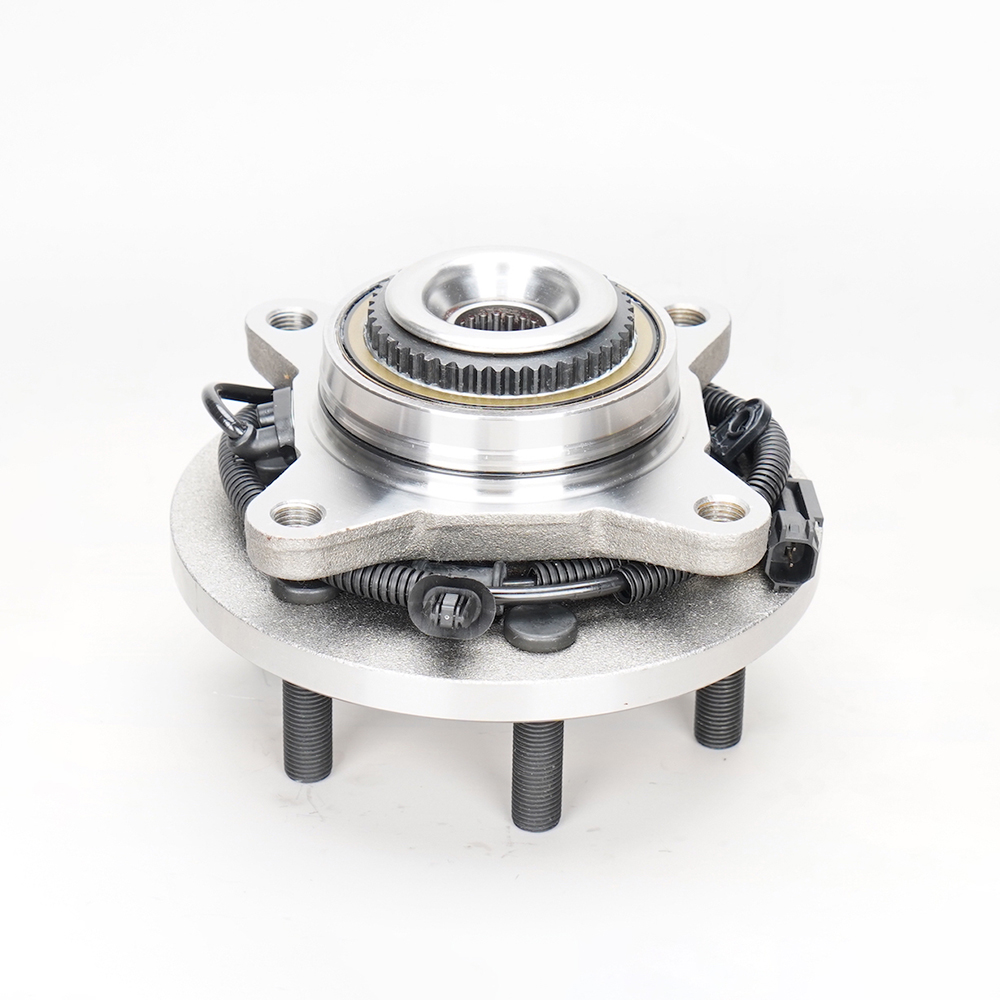
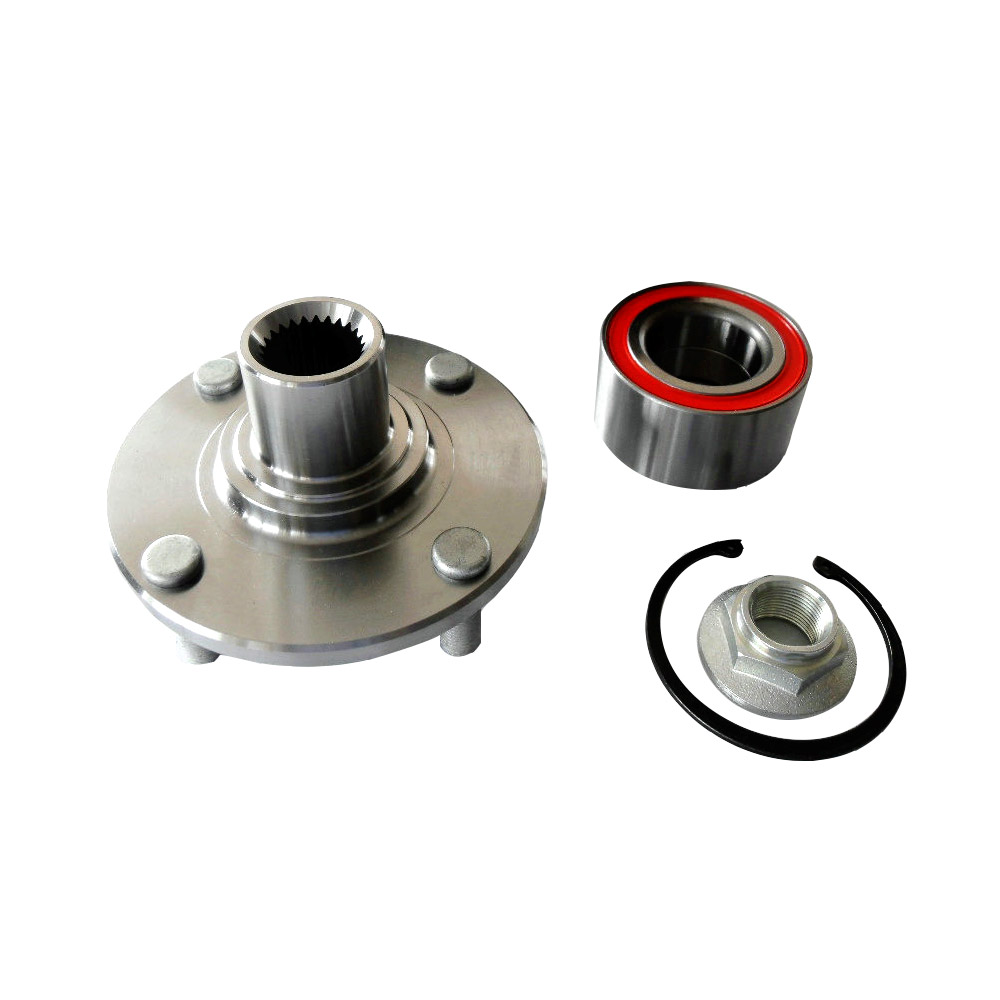
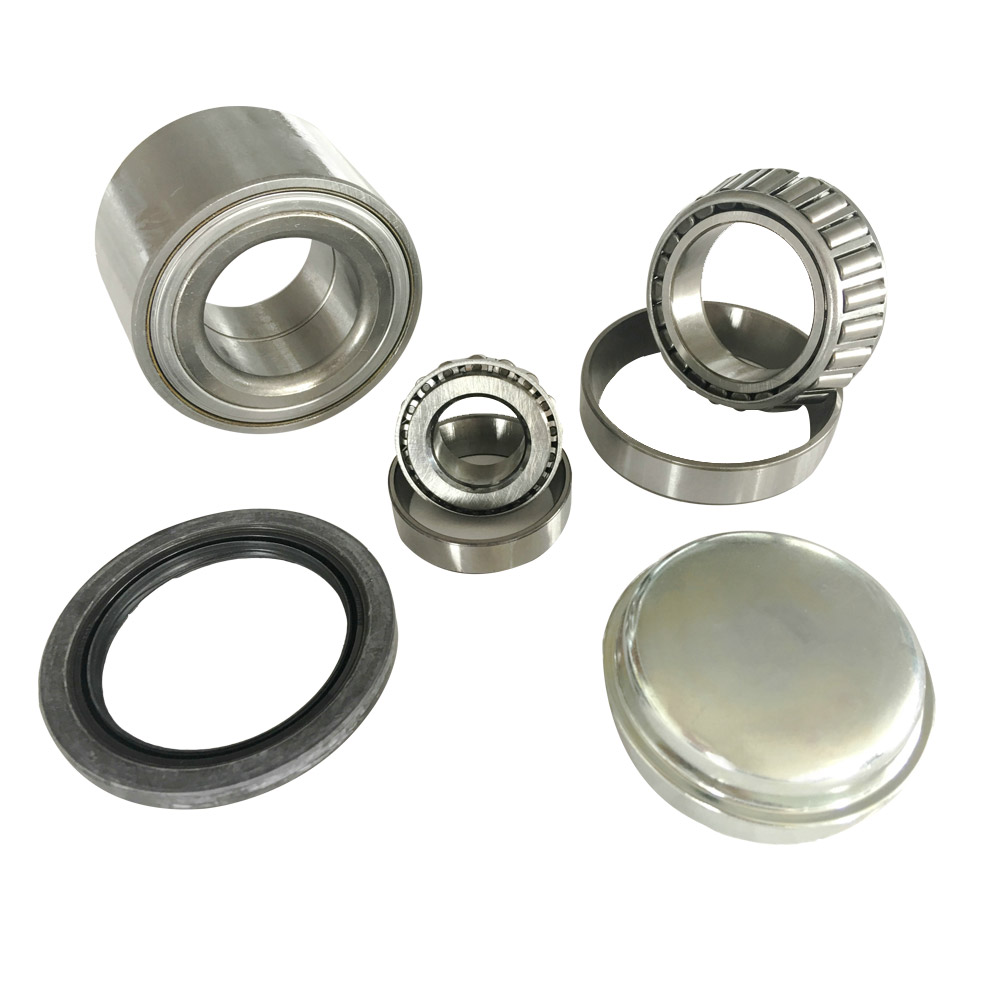
A wheel hub unit is a critical component of a vehicle’s suspension and steering system. It houses the wheel bearings and connects the wheel to the vehicle, ensuring smooth rotation while supporting the vehicle’s weight. Proper functioning of the wheel hub unit is essential for safety, handling, and vehicle performance. Failure or wear in this component can lead to dangerous driving conditions and costly repairs.
Modern wheel hub units are typically pre-assembled and sealed, which makes them more durable and maintenance-free compared to traditional wheel bearings. However, over time, exposure to heat, load, and environmental factors can cause wear or damage. Identifying the signs of a failing wheel hub unit early is crucial for maintaining vehicle safety.
Common Signs of a Failing Wheel Hub Unit
Unusual Noise from the Wheels
One of the earliest and most noticeable signs of a worn wheel hub unit is noise coming from the wheels. This typically manifests as a grinding, humming, or rumbling sound that increases with vehicle speed. The noise may also change when turning, indicating uneven wear on the wheel bearings inside the hub unit.
Vibration or Wobbling While Driving
A failing wheel hub unit can cause vibrations or wobbling in the steering wheel or vehicle body. This is often due to worn bearings that no longer maintain the proper alignment of the wheel. Such vibrations may worsen at higher speeds or when turning, affecting vehicle stability and handling.
Uneven Tire Wear
Wheel hub unit issues can lead to uneven tire wear patterns. Worn bearings or loose hub assemblies can cause the wheels to misalign slightly, resulting in excessive wear on one side of the tire. Regularly inspecting tires can help detect hub problems before they become severe.

ABS Warning Light Activation
Many modern vehicles have ABS sensors integrated into the wheel hub unit. A damaged hub or worn bearing can interfere with sensor signals, causing the ABS warning light to illuminate on the dashboard. Ignoring this warning can compromise braking performance, so immediate inspection is necessary.
Play or Looseness in the Wheel
A physical check can reveal looseness in the wheel if the hub unit is failing. By safely lifting the vehicle and attempting to wiggle the wheel back and forth, excessive play may indicate worn or damaged bearings inside the hub unit. This is a critical sign requiring prompt replacement.
Causes of Wheel Hub Unit Failure
Understanding the common causes of wheel hub unit failure can help in prevention and timely maintenance:
- Normal wear and tear over time due to mileage and load stress.
- Exposure to water, salt, or debris leading to corrosion and premature bearing wear.
- Improper installation or torque of the hub assembly.
- Impact damage from potholes, curbs, or accidents.
- Lack of maintenance or ignoring early warning signs.
Inspection and Testing Methods
Technicians use several methods to confirm wheel hub unit wear or failure:
- Visual inspection for corrosion, damage, or leaks.
- Manual wheel play test to detect looseness.
- Listening for unusual noises while rotating the wheel by hand.
- Using diagnostic tools to check ABS sensor signals.
- Measuring runout to identify misalignment or bearing irregularities.
Importance of Timely Replacement
Replacing a worn wheel hub unit promptly is essential to maintain vehicle safety and performance. Failure to replace a damaged hub can lead to severe consequences, including wheel detachment, brake failure, or compromised steering control. Additionally, early replacement prevents further damage to suspension components and tires, saving on costly repairs.
Modern wheel hub units are designed for long-term reliability, but periodic inspection and attention to warning signs are necessary. Using high-quality replacement units and proper installation techniques ensures long-lasting performance and safety.
Conclusion
Recognizing the signs of a failing wheel hub unit is crucial for vehicle safety. Unusual noise, vibration, uneven tire wear, ABS warning light activation, and wheel looseness are key indicators that replacement is necessary. Proactive inspection, maintenance, and timely replacement can prevent accidents, protect other vehicle components, and ensure optimal driving performance.
