


Content
What a Wheel Bearing Hub Assembly Unit Does
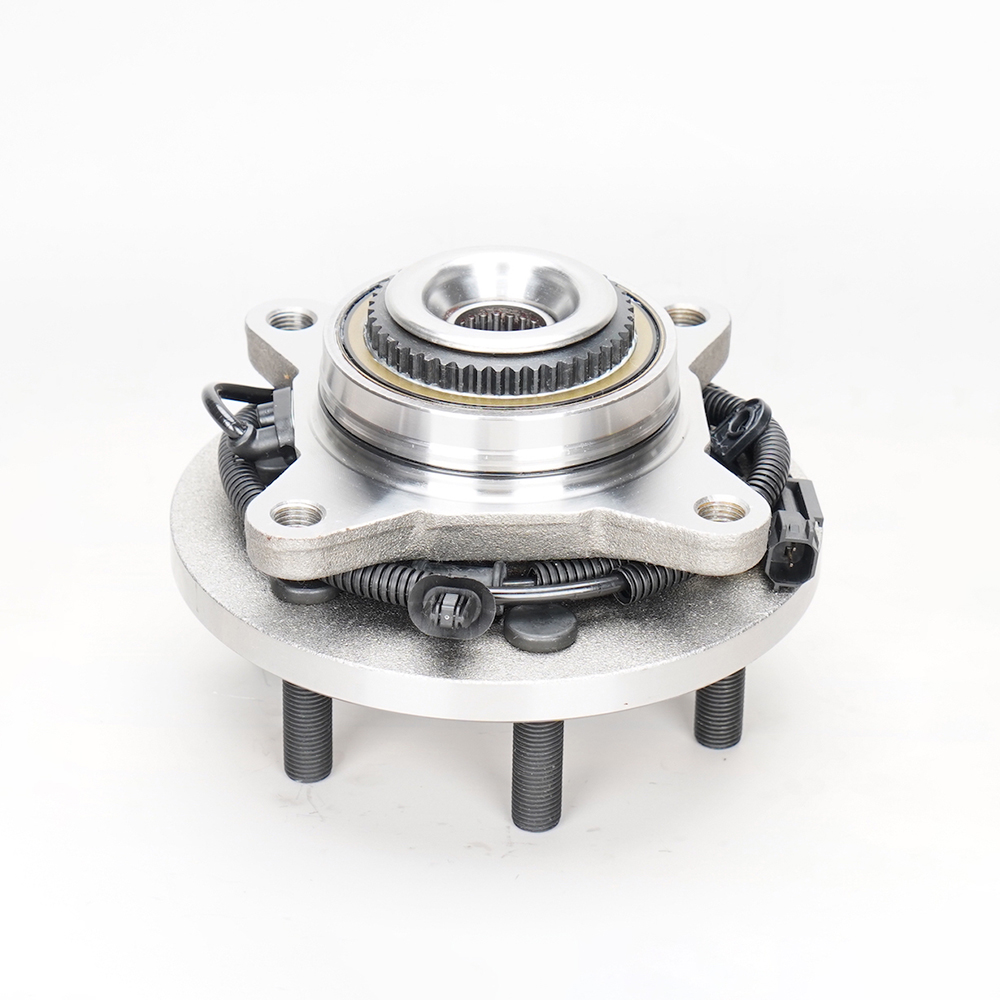
A wheel bearing hub assembly unit combines the wheel bearing, hub, and sometimes the ABS sensor into a single sealed component that allows the wheel to rotate smoothly while supporting the vehicle's weight. This assembly bolts directly to the steering knuckle or axle, transferring load from the vehicle body to the wheel while minimizing friction during rotation at any speed.
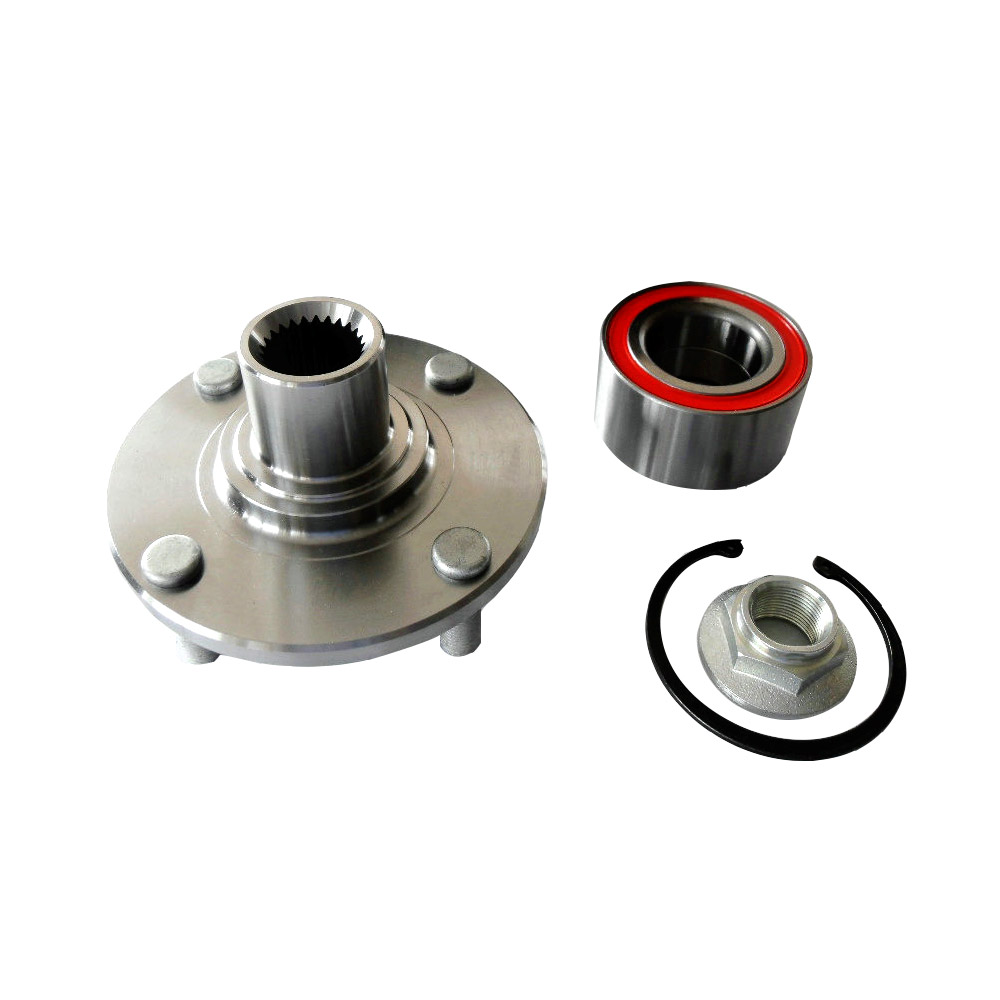
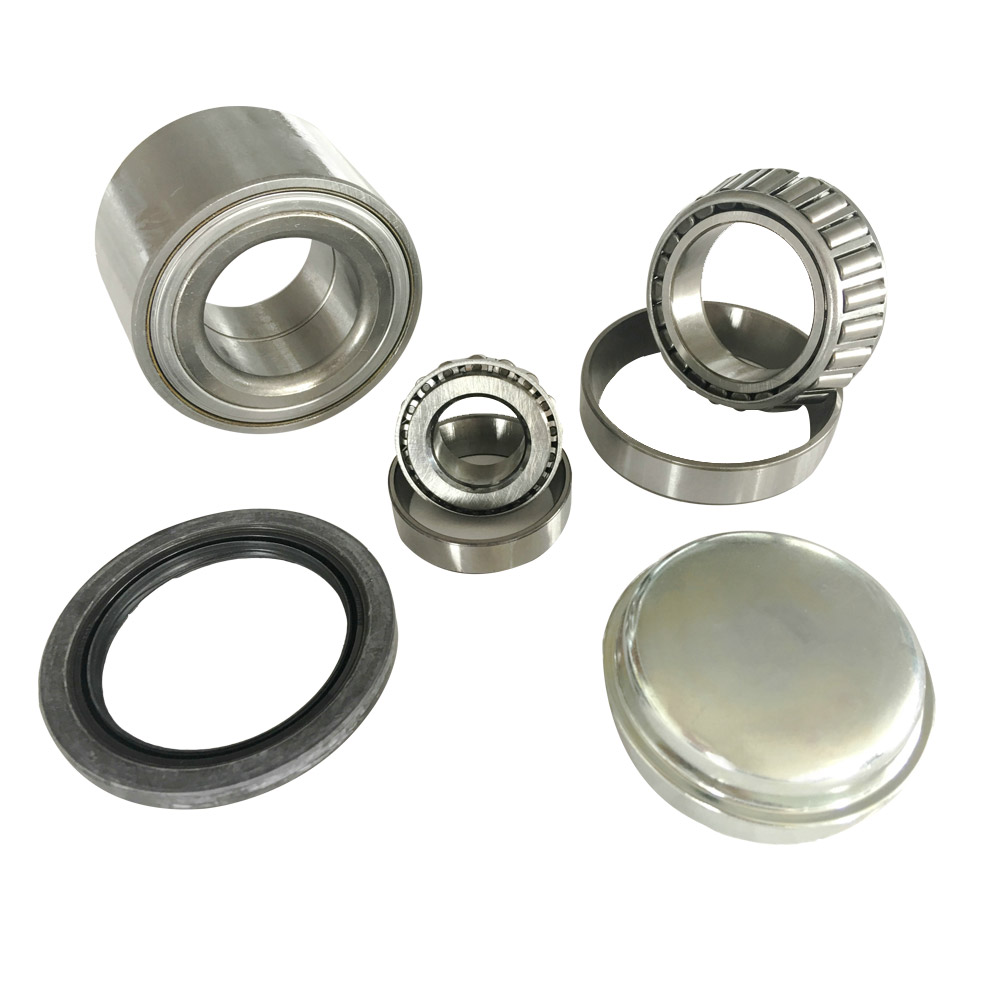
Older vehicles often used separate bearings, races, and seals that required manual packing with grease and periodic adjustment. Modern hub assembly units replace that setup with a pre-lubricated, sealed design that simplifies installation and eliminates the need for routine bearing maintenance, though it also means the entire unit typically gets replaced as one part rather than serviced individually.
Core Components Within the Assembly
Understanding what makes up a wheel bearing hub assembly unit helps explain why failures happen and what symptoms typically appear when something goes wrong.

Bearing Races and Rollers
Inside the sealed housing, precision-machined races guide a set of ball or roller bearings that allow smooth rotation under load. These components are packed with high-temperature grease during manufacturing and sealed to keep contaminants out over the unit's expected service life.
Hub Flange
The hub flange is the mounting surface where the wheel and, in many vehicles, the brake rotor attach. This flange must remain true and free of excessive runout, since even small deviations can cause vibration or uneven brake pad wear over time.
Integrated ABS Sensor
Many modern hub assemblies include a built-in wheel speed sensor that communicates rotational data to the vehicle's anti-lock braking and stability control systems. When this sensor fails alongside the bearing, it often triggers dashboard warning lights in addition to physical symptoms.
Warning Signs of a Failing Hub Assembly
Recognizing early symptoms of wheel bearing hub assembly failure allows drivers to address the problem before it compromises handling or safety. Several signs commonly appear as the unit deteriorates.
- A grinding or growling noise that changes pitch with vehicle speed
- Noticeable vibration felt through the steering wheel or floorboard
- Uneven or accelerated tire wear on one side of the vehicle
- A clicking sound during turns, which may indicate a related CV joint issue
- ABS or traction control warning lights caused by a faulty integrated sensor
These symptoms often worsen gradually, which makes it easy to dismiss early noise as minor road sound. However, ignoring a failing hub assembly can eventually lead to wheel play or, in severe cases, complete bearing seizure while driving.
Diagnosing the Problem Accurately
Because wheel noise and vibration can stem from several different components, proper diagnosis matters before ordering a replacement part. Technicians typically start by raising the vehicle and checking for play in the wheel by grasping it at the top and bottom, feeling for looseness that indicates bearing wear.
Road Test Evaluation
A road test at varying speeds helps isolate bearing noise from tire or suspension issues, since bearing noise typically changes with speed and remains present regardless of steering direction or braking input.
Physical Inspection
Once the wheel is removed, technicians check for visible play, unusual resistance when spinning the hub by hand, and any grinding sensation that confirms internal bearing damage rather than an external cause.
Comparing Replacement Options
When it comes time to replace a worn unit, buyers typically choose between OEM, OEM-equivalent aftermarket, and economy aftermarket parts. Each option carries different trade-offs in cost, longevity, and fit precision.
| Part Type | Typical Cost | Expected Lifespan | Fit Accuracy |
| OEM | Higher | Long | Exact |
| OEM-Equivalent Aftermarket | Moderate | Comparable to OEM | Very Close |
| Economy Aftermarket | Lower | Shorter | Variable |
Installation Considerations Worth Knowing
Replacing a wheel bearing hub assembly unit typically involves removing the wheel, caliper, and rotor before accessing the mounting bolts that secure the hub to the knuckle. Because these bolts are often exposed to road grime and corrosion, they can require significant force or penetrating fluid to remove without damage.
Proper torque specification during reinstallation matters greatly, since under-tightening can lead to premature wear while over-tightening risks damaging the new bearing before it ever sees regular use. Many manufacturers also recommend replacing units in pairs on the same axle, since one side wearing out often signals similar mileage-related stress on the opposite side.
Extending the Life of a New Assembly
While sealed hub assemblies require little ongoing maintenance, a few habits help maximize their service life. Avoiding hard impacts with potholes and curbs reduces stress on the internal bearing races, and addressing wheel alignment issues promptly prevents uneven load distribution that accelerates wear.
Routine inspection during tire rotations also allows early detection of developing play or noise before it progresses into a more serious failure, helping drivers avoid unexpected roadside breakdowns and keeping replacement costs predictable over the vehicle's lifespan.
