


Content
What Is a Wheel Bearing Hub Assembly Unit
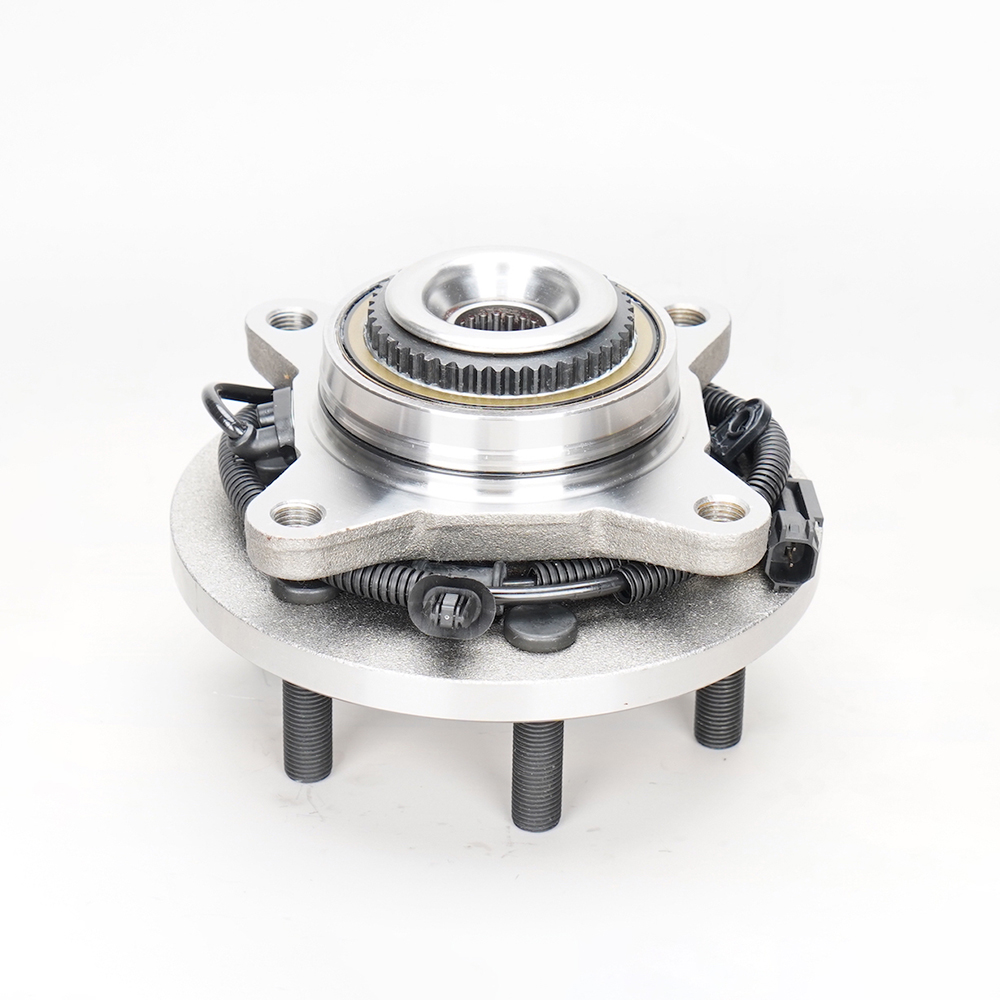
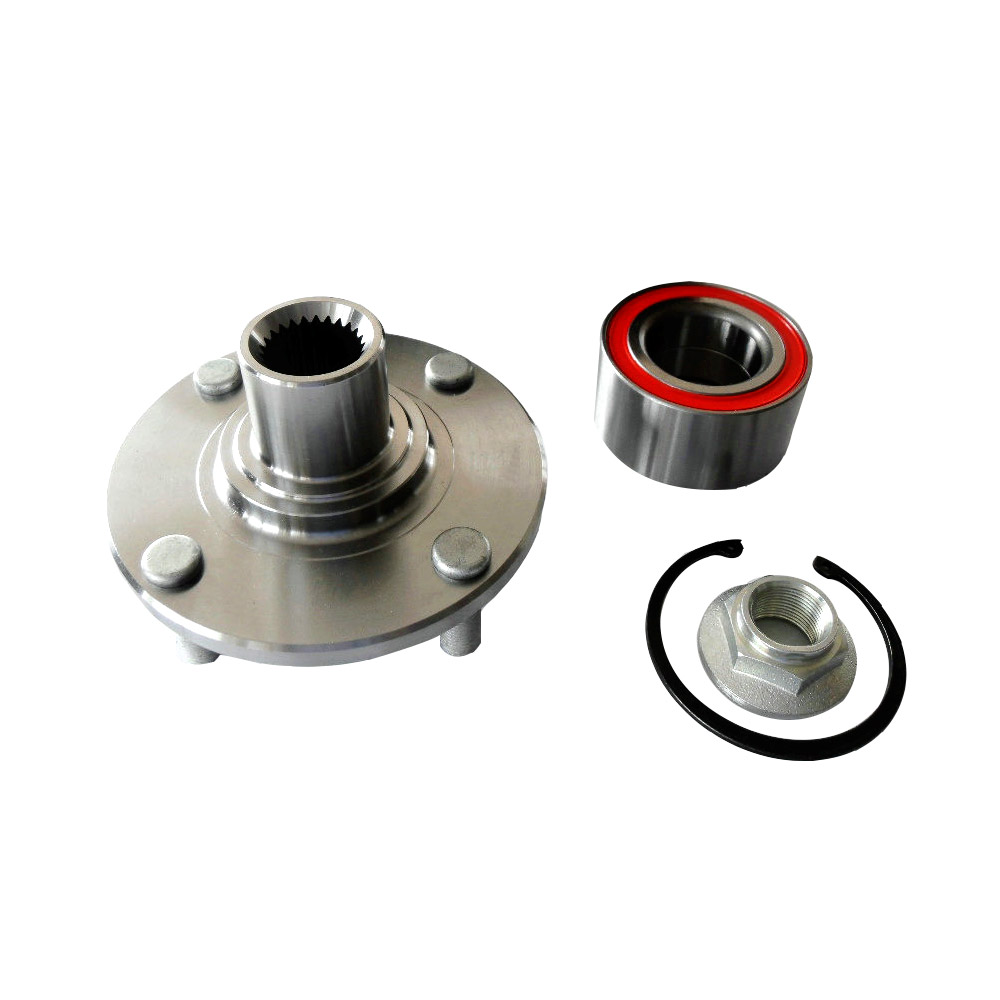
A wheel bearing hub assembly unit combines the wheel bearing, hub, and often the ABS sensor into a single pre-assembled component that mounts directly to the vehicle's steering knuckle or axle. This integrated design replaced the older system of separately serviceable bearings, races, and seals that required manual packing with grease and precise adjustment during installation. Modern hub assemblies arrive sealed and pre-lubricated, allowing the bearing, hub flange, and sensor to be installed as one unit rather than assembled piece by piece.
This component plays a critical role in vehicle safety and performance, since it supports the vehicle's weight while allowing the wheel to rotate smoothly with minimal friction. It also serves as the mounting point for the wheel itself, meaning any failure in this assembly directly affects handling, braking performance, and overall drivability.
Core Components Within the Assembly
Understanding what makes up a wheel bearing hub assembly helps vehicle owners and technicians better diagnose issues and communicate clearly when seeking repairs or replacement parts.

Main Parts and Their Functions
- Wheel bearing: allows smooth rotation while supporting radial and axial loads
- Hub flange: provides the mounting surface for the wheel and brake rotor
- ABS sensor ring: works with the anti-lock braking system to monitor wheel speed
- Sealed housing: protects internal components from dirt, moisture, and debris
- Mounting bolts: secure the assembly to the steering knuckle or axle housing
The integration of the ABS sensor ring directly into the hub assembly is particularly significant, since a worn or damaged bearing can sometimes trigger inaccurate wheel speed readings, potentially affecting the vehicle's traction control and anti-lock braking performance even before mechanical symptoms become obvious.
Common Warning Signs of a Failing Hub Assembly
Recognizing early symptoms of hub assembly wear allows drivers to address problems before they escalate into safety hazards or more expensive repairs. Several distinct signs typically indicate this component needs attention.
| Symptom | Likely Cause |
| Grinding or humming noise while driving | Worn bearing rollers or races |
| Noise increases with speed or turning | Bearing wear affecting load distribution |
| Steering wheel vibration | Uneven bearing wear or looseness |
| ABS warning light illuminated | Damaged sensor ring or wiring |
| Uneven tire wear | Excessive play in the wheel assembly |
A grinding or humming noise that changes pitch with vehicle speed is one of the most reliable indicators of bearing wear, and this symptom often becomes more noticeable during turns as weight shifts onto the affected wheel and increases stress on the failing bearing.
Diagnosing a Faulty Hub Assembly
Proper diagnosis before replacement helps confirm the hub assembly is genuinely the source of a noise or vibration, since similar symptoms can sometimes stem from CV joints, tires, or suspension components.
Diagnostic Steps Technicians Commonly Use
- Raising the vehicle and checking for play by rocking the wheel at the top and bottom
- Spinning the wheel by hand to feel for roughness or grinding resistance
- Using a stethoscope or listening device to isolate noise location while driving
- Scanning for ABS fault codes if the warning light is illuminated
- Comparing noise behavior when weight shifts during left and right turns
Detectable play when rocking the top and bottom of the tire, as opposed to the front and back, typically points more specifically toward a bearing issue rather than a tie rod or ball joint problem, helping narrow down the diagnosis before parts are ordered.
Choosing the Right Replacement Unit
Selecting a quality replacement hub assembly directly affects how long the repair lasts and how the vehicle performs afterward. Not all replacement parts are manufactured to the same tolerances, and choosing based on price alone can lead to premature failure.
Matching the replacement unit to the exact vehicle make, model, year, and trim level is essential, since bearing hub assemblies often differ based on drivetrain configuration, brake system type, and whether the vehicle includes ABS. Checking that the ABS sensor, bolt pattern, and bearing preload specifications match the original equipment ensures proper fitment and function after installation.
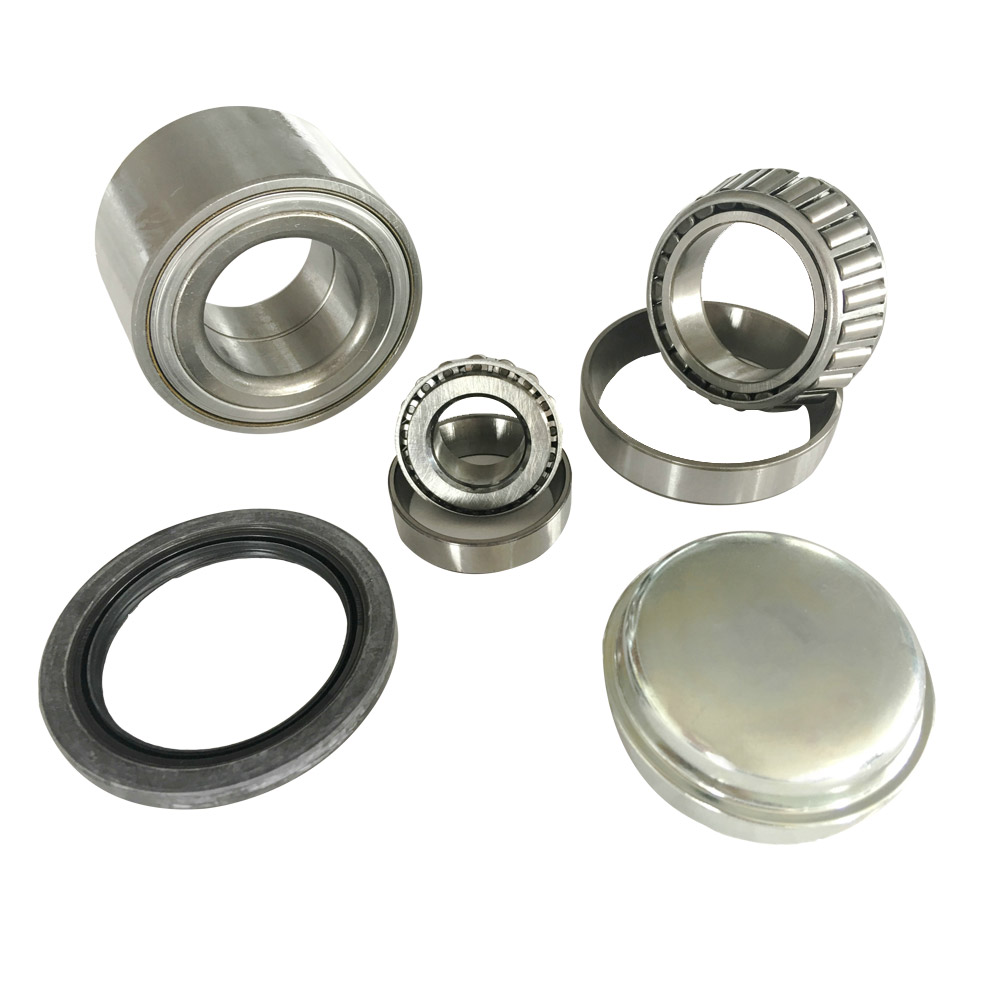
Buyers should also consider whether the replacement unit comes pre-greased and sealed, as most modern assemblies do, versus older-style serviceable bearings that require manual packing. Choosing units from manufacturers with established quality control processes reduces the risk of premature bearing failure, which can otherwise necessitate a second replacement within a short period.
Installation Considerations and Best Practices
Proper installation is just as important as selecting a quality replacement part, since incorrect torque specifications or contaminated components can shorten the lifespan of even a well-made hub assembly.
Mounting bolts must be tightened to the manufacturer's specified torque value using a calibrated torque wrench, since under-tightening can allow movement that accelerates wear, while over-tightening can damage the bearing or distort the hub flange. The mounting surface on the steering knuckle should be cleaned of rust and debris before installation to ensure the new assembly sits flush and seats correctly.
After installation, technicians typically recommend a test drive to confirm the noise or vibration has been resolved and to verify that the ABS system is functioning correctly if the sensor was part of the replaced assembly. Rechecking bolt torque after a short driving period is also a good practice, particularly on vehicles where the hub assembly experiences significant load and vibration during normal operation.
