


Content
- 1 Understanding Wheel Hub Bearing Function and Design
- 2 Identifying Symptoms of Failing Wheel Hub Bearings
- 3 Different Types of Wheel Hub Bearing Assemblies
- 4 Diagnostic Procedures for Accurate Problem Identification
- 5 Replacement Process and Best Practices
- 6 Factors Contributing to Premature Bearing Failure
- 7 Selecting Quality Replacement Bearings
- 8 Preventive Maintenance for Extended Bearing Life
- 9 Cost Considerations and Service Planning
- 10 Safety Critical Nature of Wheel Hub Bearings
Understanding Wheel Hub Bearing Function and Design
Wheel hub bearings serve as the critical interface between your vehicle's rotating wheels and the stationary suspension components, enabling smooth rotation while supporting the entire weight of the vehicle. These precision-engineered assemblies must withstand tremendous forces including radial loads from vehicle weight, axial loads from cornering, and thrust loads during acceleration and braking. Modern wheel hub bearings represent sophisticated mechanical achievements, incorporating advanced materials, specialized lubricants, and precision manufacturing techniques to deliver reliable performance across hundreds of thousands of miles under demanding conditions.
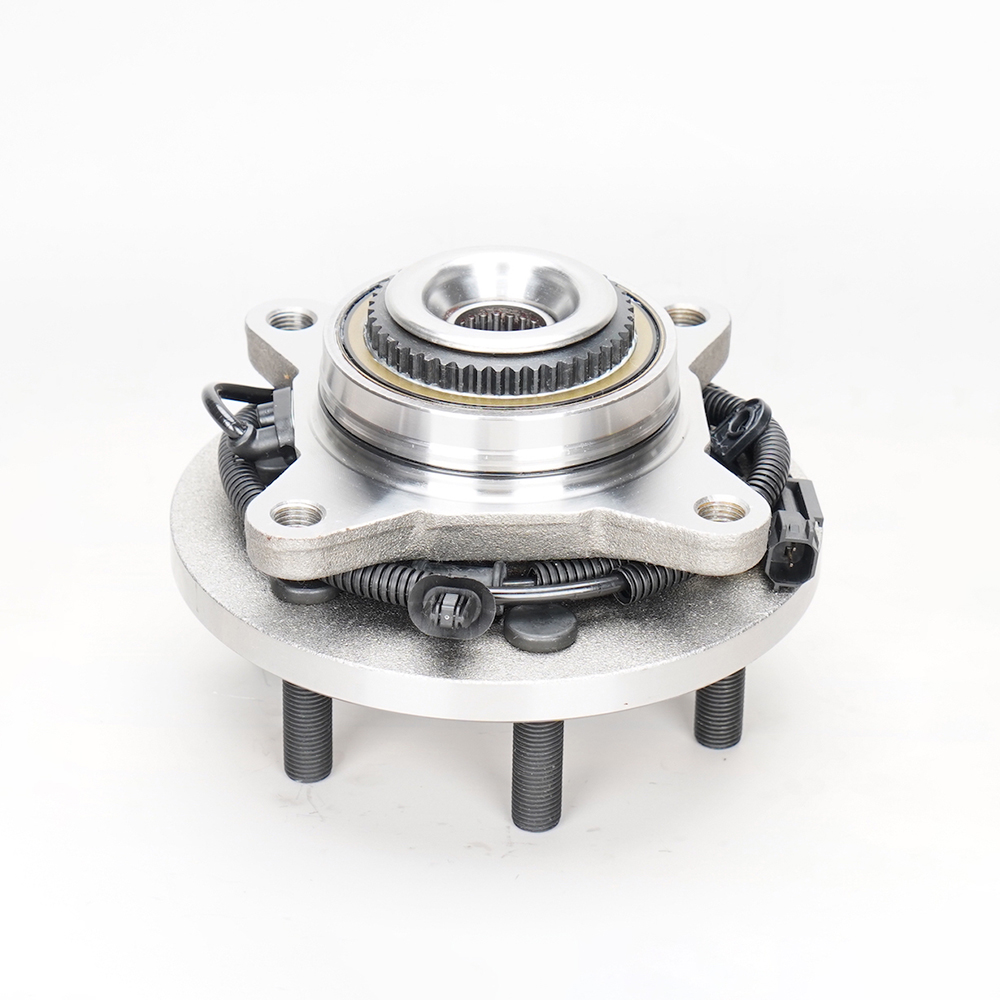
The typical wheel hub bearing assembly consists of inner and outer races, rolling elements (balls or rollers), a cage or separator maintaining proper element spacing, seals preventing contamination and retaining lubricant, and often integrated components like ABS sensor rings or mounting flanges. Contemporary designs increasingly favor sealed cartridge-style units that arrive pre-greased and pre-adjusted from the factory, eliminating field maintenance requirements while simplifying installation. These sealed units incorporate advanced elastomeric or multi-lip seals that protect against water, dirt, and road salt intrusion throughout their service life, dramatically extending bearing longevity compared to serviceable designs requiring periodic maintenance.
Identifying Symptoms of Failing Wheel Hub Bearings
Early detection of wheel hub bearing deterioration prevents cascade failures affecting other vehicle systems and avoids potentially dangerous situations arising from complete bearing failure. Attentive drivers can recognize multiple warning signs indicating developing bearing problems, though symptoms may initially present subtly before progressing to more obvious manifestations requiring immediate attention.
Audible Warning Signs
The most common indication of bearing failure manifests as a humming, growling, or rumbling noise that typically increases in intensity with vehicle speed. This sound results from damaged bearing surfaces creating vibration as rolling elements traverse pitted or spalled areas on the races. The noise may appear constant or cyclic, sometimes varying with steering input as load distribution changes during turns. Severely degraded bearings produce grinding or clicking sounds indicating advanced deterioration where metal-to-metal contact occurs due to complete lubricant breakdown or bearing disintegration.
Physical Symptoms and Handling Changes
Worn wheel hub bearings create perceptible wheel play detectable by grasping the tire at twelve and six o'clock positions and attempting to rock it vertically. Excessive movement indicates bearing clearance beyond specification, allowing the wheel to shift on its axis. This play translates to steering wheel vibration, particularly noticeable at highway speeds, and may cause the vehicle to wander or require constant steering correction. Uneven tire wear patterns, especially cupping or scalloping on the edges, frequently result from bearing-induced wheel misalignment or wobble affecting tire contact patch consistency.

Electronic System Indicators
Modern vehicles equipped with anti-lock braking systems (ABS) and stability control utilize wheel speed sensors that often integrate directly into the hub bearing assembly. Bearing degradation causing excessive play or allowing the sensor ring to contact the sensor itself triggers ABS warning lights, traction control malfunctions, or stability system failures. Intermittent activation of these warning lights, particularly during cornering or over bumps, suggests bearing problems affecting sensor operation rather than electronic system faults.
Different Types of Wheel Hub Bearing Assemblies
Automotive manufacturers employ various wheel hub bearing designs optimized for different vehicle applications, weight requirements, and performance characteristics. Understanding these configurations helps in proper diagnosis, parts selection, and replacement procedures specific to your vehicle's design.
| Bearing Type | Configuration | Common Applications | Serviceability |
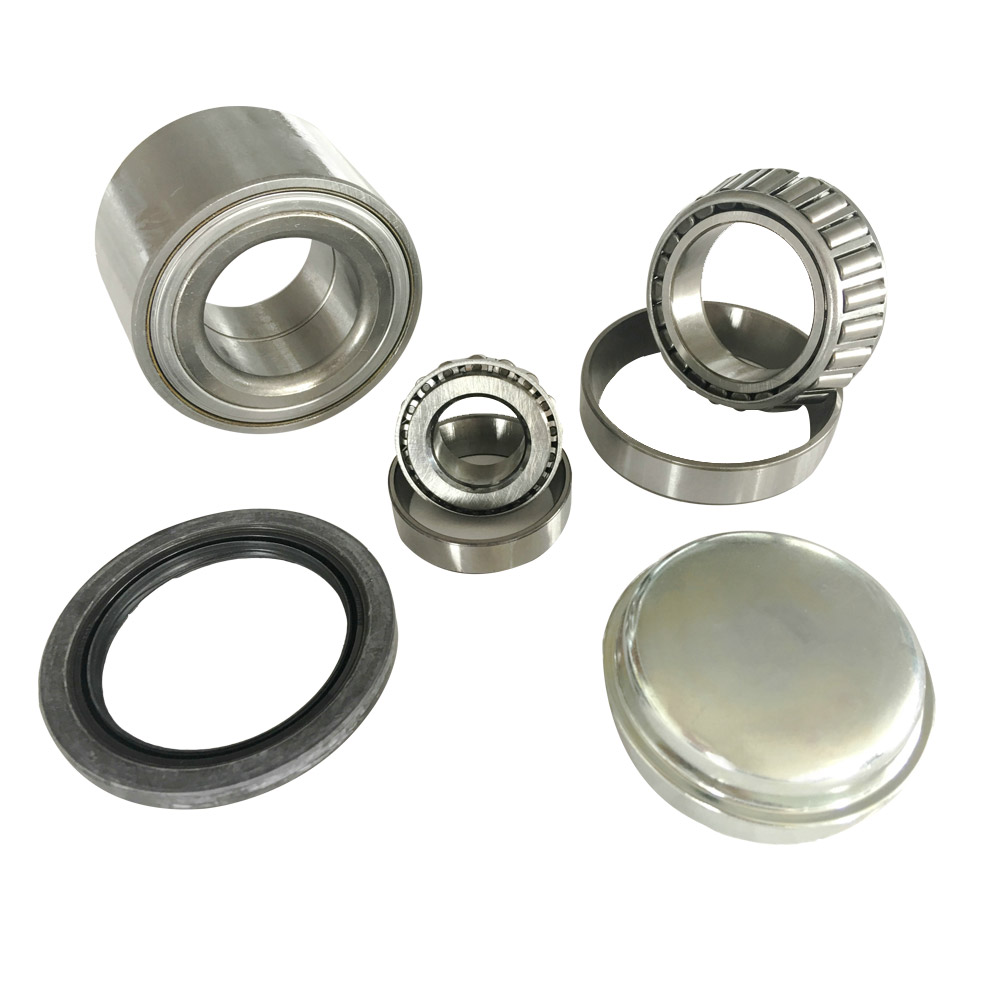
| Tapered Roller | Separate inner/outer races | Older trucks, RWD vehicles | Rebuildable with adjustment |
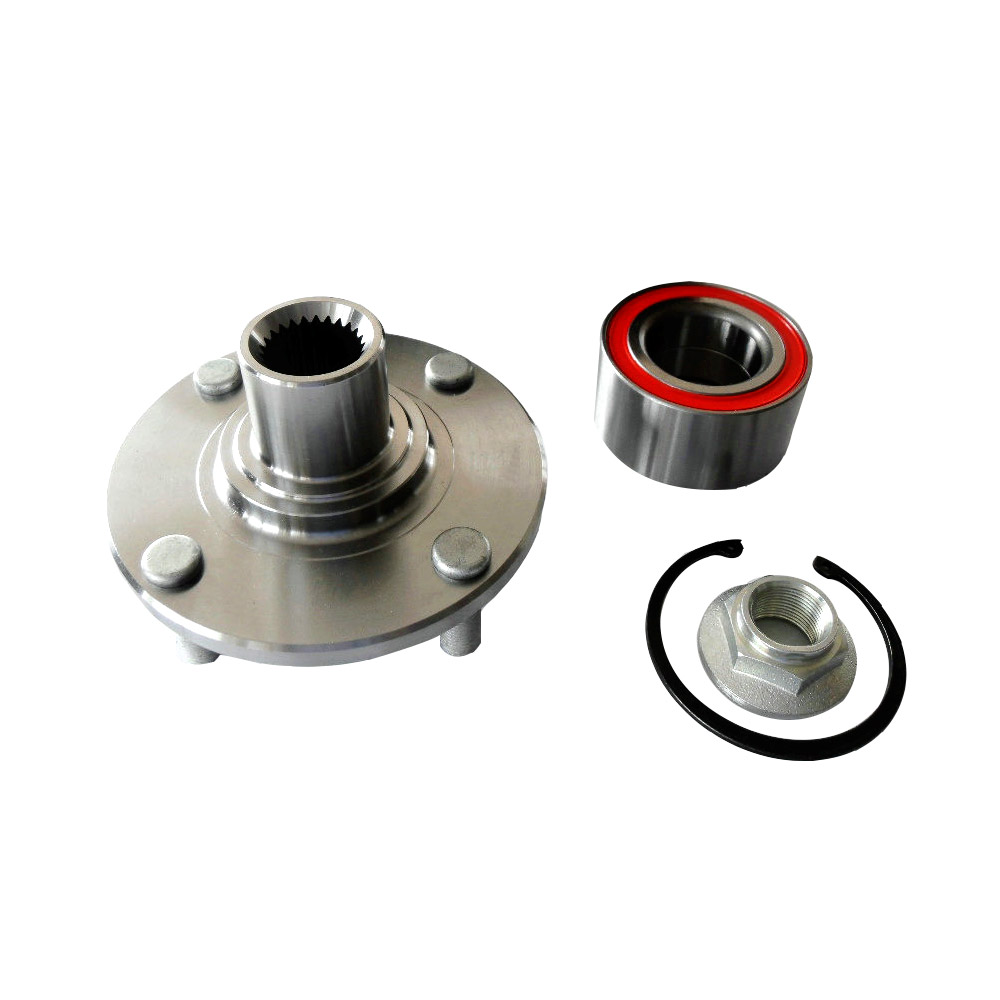
| Ball Bearing Cartridge | Sealed unit, press-fit | Most FWD passenger cars | Non-serviceable replacement |
| Hub Bearing Unit | Integrated hub and bearing | Modern vehicles, AWD systems | Complete assembly replacement |
| Double Row Angular | Two bearing rows, compact | Performance cars, heavy vehicles | Sealed unit replacement |
Diagnostic Procedures for Accurate Problem Identification
Proper diagnosis ensures replacement efforts target the actual failed component rather than unnecessarily replacing functional parts or overlooking related problems contributing to bearing failure. Systematic testing procedures isolate bearing issues from similar symptoms caused by tire problems, brake defects, or suspension wear.
Physical Inspection Methods
Begin diagnostic procedures by safely raising and supporting the vehicle, removing the wheel to access the bearing assembly. Grasp the brake rotor or drum and attempt to move it in multiple directions, checking for play in vertical, horizontal, and angular axes. Rotate the hub by hand while listening and feeling for roughness, grinding, or binding that indicates bearing surface damage. Inspect for visible grease leakage around seals, rust staining suggesting water intrusion, or physical damage to the hub assembly from impact or improper installation.
Road Test Evaluation Techniques
Conduct test drives on smooth pavement at varying speeds to isolate bearing noise from tire or road noise. Gentle swerving or lane changes while maintaining steady speed helps identify which side harbors the failing bearing, as loading the outside wheels during turns often intensifies noise from the loaded bearing. Compare noise levels during straight-line driving versus turns in both directions, noting whether sounds increase, decrease, or remain constant with steering input changes.
Advanced Diagnostic Tools
Professional technicians employ specialized equipment including chassis ears that position microphones near each wheel bearing to pinpoint noise sources, and vibration analyzers detecting frequency patterns characteristic of bearing defects. Thermal imaging cameras identify overheating bearings generating excessive friction from inadequate lubrication or binding conditions. Dial indicators precisely measure bearing endplay, comparing actual clearances against manufacturer specifications to determine whether adjustable bearings require adjustment or replacement.
Replacement Process and Best Practices
Successful wheel hub bearing replacement demands careful execution following proper procedures to ensure long service life and prevent premature failure. Whether performed professionally or as a DIY project, adherence to manufacturer specifications and quality workmanship standards determines repair longevity and safety.
- Thoroughly clean all mounting surfaces removing rust, corrosion, and debris that could prevent proper bearing seating or cause runout
- Use appropriate bearing installation tools including press-fit adapters contacting only the correct race to avoid bearing damage during installation
- Apply anti-seize compound to mounting surfaces and threads preventing corrosion and facilitating future service while avoiding contact with bearing surfaces
- Follow precise torque specifications for all fasteners as over-tightening induces bearing preload while under-tightening allows play and loosening
- Replace associated components including seals, sensor rings, and lock nuts designed for single-use applications
- Verify proper bearing preload or endplay using appropriate measurement tools before final assembly completion
- Inspect CV axles, ball joints, and tie rod ends while components are disassembled, addressing worn parts preventing future bearing damage
Factors Contributing to Premature Bearing Failure
Understanding what causes wheel hub bearings to fail prematurely helps vehicle owners implement preventive measures extending bearing life and avoiding unexpected breakdowns. While bearing manufacturers design these components for extended service intervals, various conditions and practices accelerate wear beyond normal expectations.
Environmental and Operational Stresses
Exposure to water and road salt represents the primary environmental threat to wheel hub bearings, as moisture penetration through compromised seals causes lubricant contamination and internal corrosion. Vehicles operated in coastal areas, regions using road salt, or frequently driven through deep water experience accelerated bearing deterioration from this exposure. Extreme temperature cycling from hard braking or cold weather operation stresses seals and affects lubricant viscosity, potentially allowing contamination entry or creating inadequate lubrication conditions.
Installation and Maintenance Errors
Improper installation techniques cause immediate or progressive bearing damage leading to premature failure. Hammering bearings during installation creates brinelling damage where impacts deform bearing surfaces, eventually causing accelerated wear as rolling elements traverse these imperfections. Incorrect torque application on retaining nuts either creates excessive preload inducing heat and rapid wear or insufficient clamping allowing play and fretting corrosion. Contamination during installation from dirty tools or work environments compromises sealed bearings that cannot be cleaned or relubricated after assembly.
Vehicle Modifications and Abuse
Suspension modifications including lift kits or lowering systems alter suspension geometry, changing load angles on wheel bearings beyond their design parameters. Oversized wheels and tires increase rotational mass and leverage acting on bearings, particularly during cornering and braking. Aggressive driving including hard cornering, frequent hard braking, and impacts from potholes or curbs generates shock loads exceeding bearing design limits, accelerating fatigue and surface spalling.
Selecting Quality Replacement Bearings
The replacement bearing market offers options spanning from budget economy parts to premium original equipment quality, with significant variations in materials, manufacturing precision, and expected service life. Making informed purchasing decisions requires understanding quality indicators and balancing cost considerations against longevity expectations.
Original Equipment Manufacturer (OEM) bearings provide guaranteed compatibility and quality matching factory specifications, manufactured by the same suppliers producing parts for vehicle assembly lines. These represent the safest choice ensuring proper fit, materials, and performance characteristics, though typically commanding premium pricing. Reputable aftermarket manufacturers including established bearing specialists like Timken, SKF, NSK, and NTN produce quality alternatives often matching or exceeding OEM specifications while offering competitive pricing and sometimes superior designs incorporating improvements over original equipment.
Economy replacement bearings from unknown manufacturers present risks including substandard materials, inadequate heat treatment, imprecise machining, and inferior seals compromising service life. While initial cost savings appear attractive, premature failure necessitating repeat repairs often results in higher total costs including additional labor charges and potential collateral damage to related components. Evaluation of warranty coverage, manufacturer reputation, and product reviews provides valuable insights into reliability and value propositions for different price points.
Preventive Maintenance for Extended Bearing Life
While modern sealed wheel hub bearings require no periodic service, implementing preventive practices and regular inspections maximizes component longevity and prevents unexpected failures. Proactive attention to related systems and operating conditions significantly influences bearing service intervals.
Regular inspection during routine service intervals including tire rotations, brake service, or oil changes provides opportunities to detect developing bearing problems before they progress to failure. Listen for unusual noises during test drives following service, and physically check for play when wheels are removed. Maintain proper tire inflation pressures reducing abnormal loads on suspension components and bearings, and ensure wheel alignment remains within specification preventing side-loading forces accelerating bearing wear.
Protect bearing seals by avoiding deep water crossings when possible and thoroughly rinsing undercarriage components after exposure to salt water or road treatment chemicals. Inspect CV boot condition on front-wheel drive vehicles, as torn boots allow debris contamination potentially affecting adjacent wheel bearings. Address suspension wear promptly, as failed ball joints or worn tie rod ends create abnormal bearing loads accelerating deterioration. Avoid impacts from potholes and curbs that shock-load bearings, potentially causing immediate damage or initiating fatigue cracks leading to eventual failure.
Cost Considerations and Service Planning
Understanding the financial aspects of wheel hub bearing replacement helps vehicle owners budget appropriately and make informed decisions regarding repair timing, parts quality selection, and whether to pursue professional service or DIY installation. Total project costs vary significantly based on vehicle design, parts accessibility, and regional labor rates.
Parts costs range from sixty dollars for economy replacements to over four hundred dollars for premium or OEM assemblies for luxury vehicles with integrated ABS sensors and complex designs. Professional installation typically adds one hundred fifty to three hundred fifty dollars per wheel in labor charges, with front-wheel drive vehicles often requiring more extensive disassembly than rear-wheel drive applications. Four-wheel drive and all-wheel drive systems may necessitate additional work including transfer case or differential service to access certain bearings.
DIY replacement eliminates labor costs but requires specialized tools including bearing pullers, presses, and torque wrenches representing significant investment for single repairs. Consider tool rental options or borrowing programs from parts retailers making professional-grade equipment temporarily available. Factor potential costs for related repairs commonly discovered during bearing replacement, including brake components, suspension parts, or CV axles showing wear requiring simultaneous attention. Evaluate professional installation warranties covering both parts and labor against DIY approaches placing full responsibility on the installer for successful outcomes.
Safety Critical Nature of Wheel Hub Bearings
Failed wheel hub bearings create serious safety hazards extending far beyond mechanical inconvenience, potentially resulting in loss of vehicle control, accidents, and severe injuries or fatalities. Recognition of these risks emphasizes the importance of addressing bearing problems promptly rather than deferring repairs or attempting to extend service life beyond reasonable limits.
Complete bearing failure can allow wheel separation from the vehicle in catastrophic scenarios, creating extreme danger for vehicle occupants and surrounding traffic. Even partial bearing failure significantly compromises braking effectiveness as the inconsistent wheel position affects brake component alignment and contact. Electronic safety systems including ABS, traction control, and stability management rely on accurate wheel speed information from sensors integrated into bearing assemblies, with bearing deterioration potentially disabling these critical safety technologies without obvious warning.
Degraded bearings affect steering precision and vehicle handling predictability, increasing accident risk during emergency maneuvers or adverse conditions. The vibration and noise from failing bearings often mask other developing mechanical problems, potentially allowing additional failures to progress unnoticed. These safety considerations justify treating wheel hub bearing problems as high-priority repairs demanding immediate attention rather than routine maintenance deferrable to future service intervals, as the consequences of catastrophic failure dramatically exceed prevention costs and inconvenience.
