


Content
- 1 Understanding the Wheel Hub Spindle Kit Components
- 2 Recognizing Signs of Wheel Hub Spindle Failure
- 3 Types of Wheel Hub Spindle Kit Configurations
- 4 Essential Tools and Equipment for Replacement
- 5 Step-by-Step Replacement Procedure
- 6 Quality Considerations When Selecting Replacement Kits
- 7 Common Installation Mistakes to Avoid
- 8 Maintenance Practices for Extended Spindle Kit Life
- 9 Cost Analysis and Budgeting for Replacement
- 10 Safety Implications of Compromised Spindle Assemblies
Understanding the Wheel Hub Spindle Kit Components
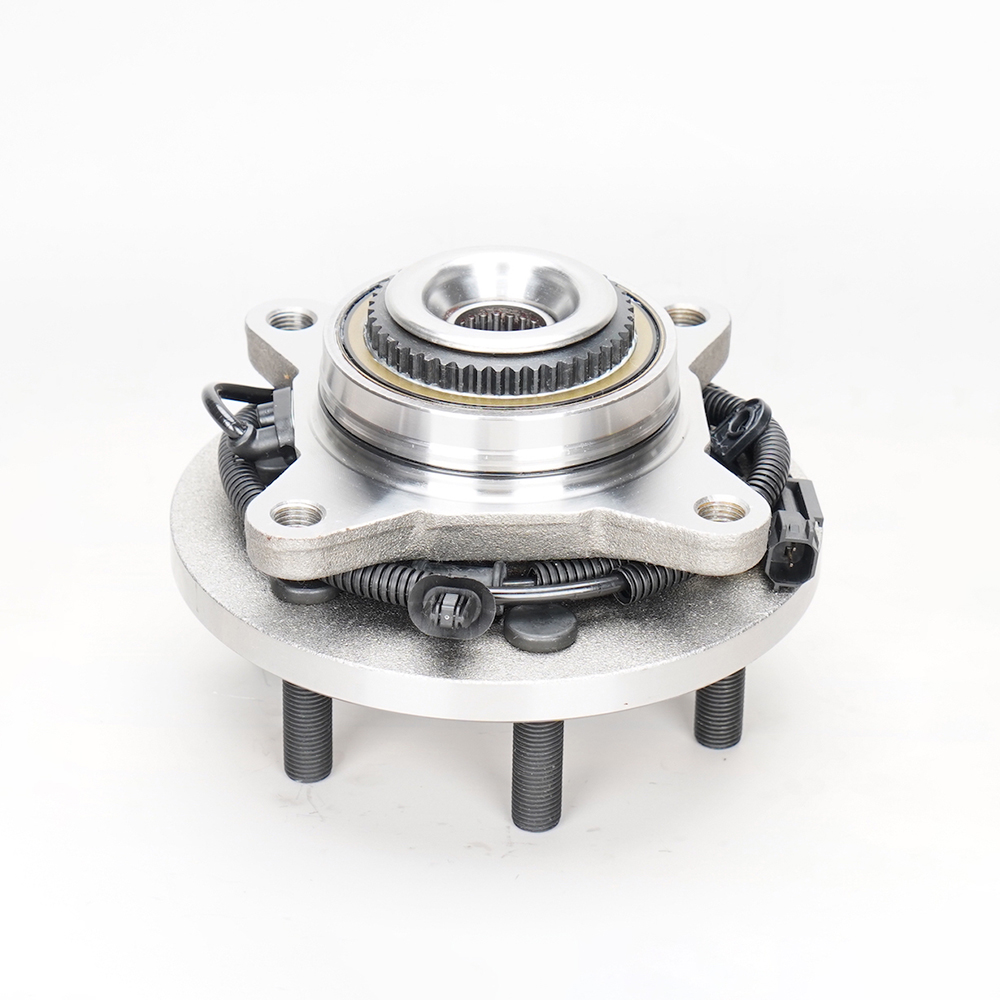
A wheel hub spindle kit represents a critical assembly in your vehicle's suspension and wheel bearing system, serving as the mounting point where the wheel attaches to the vehicle. This essential component consists of multiple integrated parts working together to support the vehicle's weight, facilitate smooth wheel rotation, and maintain proper alignment during operation. The spindle itself is a precisely machined shaft that extends from the steering knuckle or axle housing, designed to withstand tremendous forces including vehicle weight, braking torque, cornering loads, and impact from road irregularities.
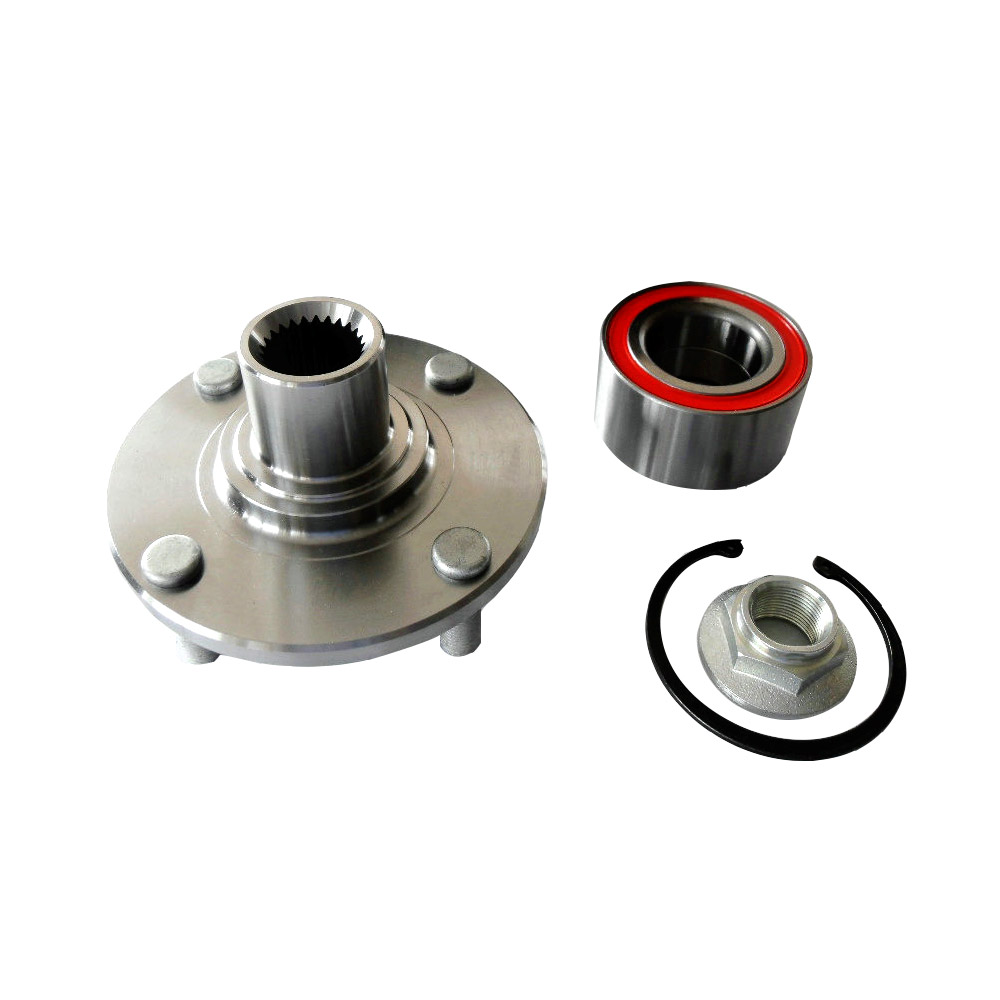
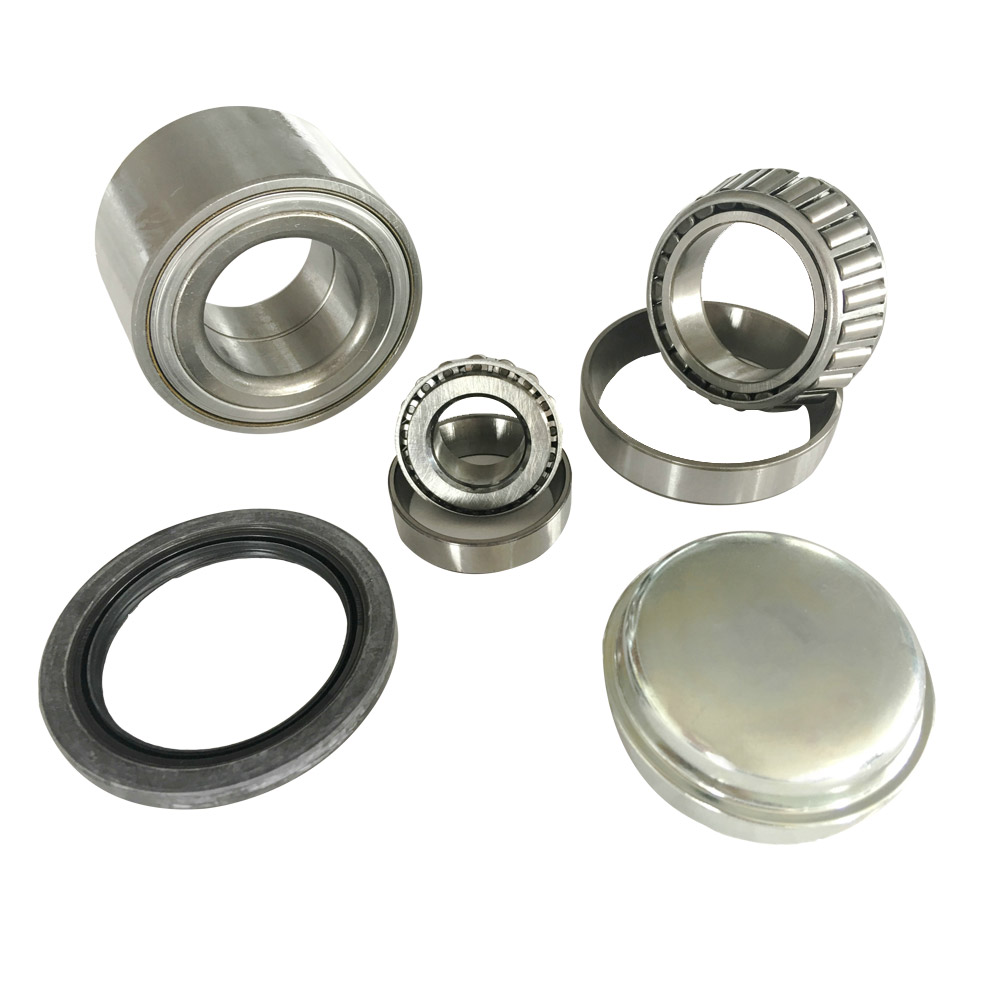
Modern wheel hub spindle kits typically include the spindle shaft, bearing races, wheel bearings or bearing cartridges, seals, retaining nuts, cotter pins, and sometimes the hub assembly itself. Higher-quality kits incorporate pre-greased sealed bearings that eliminate the need for periodic bearing maintenance, while economy kits may require manual packing with bearing grease during installation. The precision engineering involved in manufacturing these components ensures exact tolerances measured in thousandths of an inch, as even minor deviations can lead to premature wear, vibration, or catastrophic failure during operation.
Recognizing Signs of Wheel Hub Spindle Failure
Identifying failing wheel hub spindle components early prevents more extensive damage and potentially dangerous driving situations. Vehicle operators should remain vigilant for multiple warning signs that indicate developing problems within the wheel bearing and spindle assembly, as continued operation with compromised components accelerates deterioration and increases safety risks.
- Grinding or humming noises that increase with vehicle speed, often indicating worn bearings rotating on damaged spindle surfaces
- Wheel wobble or excessive play detected when grasping the tire at twelve and six o'clock positions and attempting to rock it
- Uneven tire wear patterns suggesting misalignment caused by spindle deflection or bearing looseness
- Vibration transmitted through the steering wheel or vehicle floor, particularly noticeable at highway speeds
- ABS warning light activation resulting from sensor signal disruption due to bearing play or spindle movement
- Visible grease leakage around the wheel hub area indicating seal failure and bearing contamination
- Excessive heat generation in the wheel hub assembly detectable after driving, suggesting bearing friction from inadequate lubrication

Types of Wheel Hub Spindle Kit Configurations
Different vehicle designs and applications require specific spindle kit configurations engineered to meet particular performance and load requirements. Understanding these variations helps in selecting appropriate replacement components and recognizing the unique characteristics of your vehicle's system.
Drive Axle Configurations
Front-wheel drive vehicles typically utilize CV axle-integrated spindles where the drive shaft passes through the spindle assembly, requiring special consideration for axle nut torque specifications and bearing preload. Rear-wheel drive applications often feature simpler non-drive spindles on front wheels, while the rear incorporates the differential and axle shafts. All-wheel drive systems combine features of both configurations, demanding precise component matching to ensure proper torque distribution and prevent driveline binding.
Bearing Type Variations
Traditional tapered roller bearing spindles use two opposing tapered bearings requiring careful adjustment of bearing preload during installation, typically measured with a dial indicator to achieve manufacturer-specified endplay. Modern sealed cartridge bearing assemblies press onto the spindle as complete units, eliminating adjustment requirements but necessitating complete assembly replacement when bearings fail. Some heavy-duty applications employ dual-row angular contact bearings providing increased load capacity in a more compact package, particularly common in performance vehicles and light trucks.
Essential Tools and Equipment for Replacement
Successful wheel hub spindle kit replacement demands specific tools and equipment beyond basic hand tools, as improper techniques or makeshift tool substitutions frequently result in component damage, incorrect installation, or personal injury. Professional mechanics and serious DIY enthusiasts should assemble a comprehensive toolkit before attempting this repair.
| Tool Category | Specific Tools | Purpose |
| Removal Tools | Bearing separator, slide hammer, pickle fork | Extracting pressed bearings and separating ball joints |
| Installation Tools | Bearing press, installation sleeves, seal driver | Pressing bearings and seals without damage |
| Measurement Tools | Dial indicator, torque wrench, feeler gauges | Verifying bearing preload and proper adjustment |
| Safety Equipment | Jack stands, wheel chocks, safety glasses | Preventing vehicle movement and eye protection |
| Specialty Tools | Hub puller, castle nut socket, brake caliper hanger | Vehicle-specific removal and installation tasks |
Step-by-Step Replacement Procedure
Replacing a wheel hub spindle kit requires methodical execution following manufacturer specifications, as shortcuts or improper procedures compromise safety and component longevity. This comprehensive process applies to most passenger vehicles with some variations depending on specific make and model.
Preparation and Disassembly
Begin by securing the vehicle on level ground with the parking brake engaged and wheel chocks placed behind the opposite wheels. Loosen the wheel lug nuts while the vehicle remains on the ground, then safely raise and support the vehicle using appropriate jack stands rated for the vehicle weight. Remove the wheel and tire assembly, then disconnect the brake caliper, supporting it with wire or a specialized hanger to prevent stress on the brake hose. Remove the brake rotor or drum, taking care to document the orientation of any directional components for proper reassembly.
Spindle and Bearing Removal
For vehicles with outer tie rod connections, separate the tie rod end from the steering knuckle using a pickle fork or proper puller tool, avoiding hammer strikes that can damage threads or tapers. Remove the axle nut or spindle nut, which often requires significant torque and may incorporate a staked or cotter pin retention system. Extract the hub assembly from the spindle using a slide hammer with appropriate adapters, or employ a hydraulic press for stubborn assemblies. Inspect the spindle shaft for scoring, pitting, or wear that might necessitate complete knuckle replacement rather than simple bearing service.
Installation of New Components
Thoroughly clean the spindle and hub mounting surfaces, removing all traces of old grease, rust, or debris that could prevent proper seating. Install new bearing races using a race driver or appropriately sized socket, ensuring the races seat completely against their shoulders with uniform contact around the circumference. Pack serviceable bearings with high-quality wheel bearing grease, working it completely through the bearing cage and rollers. Press or drive the new hub assembly onto the spindle, using installation sleeves that contact only the inner bearing race to prevent bearing damage. Install new seals using a seal driver, ensuring the seal lip faces the correct direction and seats flush with the housing.
Adjustment and Final Assembly
For adjustable bearings, install the spindle nut and tighten to the specified torque while rotating the hub to seat the bearings, then back off the nut according to manufacturer procedures. Measure bearing endplay using a dial indicator, adjusting until achieving the specified clearance, typically between 0.001 and 0.005 inches. Install the cotter pin or lock mechanism, ensuring it passes freely through the castle nut slots without forcing. Reinstall the brake components, tie rod ends, and wheel assembly, torquing all fasteners to specification. Lower the vehicle and perform final torque on the wheel lug nuts in the proper star pattern, then test drive the vehicle while monitoring for unusual noises, vibrations, or handling irregularities.
Quality Considerations When Selecting Replacement Kits
The replacement parts market offers wheel hub spindle kits ranging from budget economy options to premium original equipment quality, with significant differences in materials, manufacturing precision, and expected service life. Making informed purchasing decisions requires understanding these quality variations and their implications for vehicle performance and safety.
Original Equipment Manufacturer (OEM) parts provide guaranteed fit and performance matching the vehicle's original specifications, manufactured to the same standards as factory-installed components. These typically command premium pricing but offer peace of mind regarding quality and longevity. Premium aftermarket brands from established bearing manufacturers often match or exceed OEM quality while offering cost savings, utilizing advanced materials and manufacturing processes developed for racing or heavy-duty applications.
Economy aftermarket options present significant cost savings but may incorporate lower-grade materials, less precise machining tolerances, and inferior sealing systems that reduce service life. Some budget kits exclude essential installation hardware like nuts, seals, or cotter pins, requiring separate purchases that erode initial cost advantages. Evaluation of product reviews, warranty coverage, and manufacturer reputation helps distinguish quality budget options from substandard components likely to fail prematurely.
Common Installation Mistakes to Avoid
Even experienced mechanics occasionally make errors during wheel hub spindle kit installation that compromise component life or create safety hazards. Awareness of these common pitfalls helps ensure successful repair outcomes and prevents costly comebacks or failures.
- Mixing bearing components from different kits or reusing old races with new bearings, causing premature failure from mismatched wear patterns
- Excessive bearing preload adjustment creating drag, heat generation, and accelerated bearing wear
- Installing seals backward or with damaged lips, allowing contamination entry and lubricant loss
- Hammering directly on bearings or races during installation, creating brinelling damage invisible until failure occurs
- Failing to clean and inspect mating surfaces, allowing contamination or high spots to prevent proper component seating
- Incorrect torque application on axle nuts or spindle nuts, either too loose causing play or too tight inducing bearing preload
- Neglecting to replace associated components like seals, cotter pins, or lock washers designed for single-use applications
Maintenance Practices for Extended Spindle Kit Life
Proper maintenance significantly extends wheel hub spindle kit service life, preventing premature failures and maintaining optimal vehicle handling and safety characteristics. Regular inspection and proactive servicing identify developing problems before they escalate into major failures requiring extensive repairs.
Vehicles equipped with serviceable tapered roller bearings benefit from periodic inspection and regreasing, typically recommended at 30,000-mile intervals or when performing brake service. This procedure involves removing the hub, cleaning old grease from bearings and races, inspecting for wear or damage, repacking with fresh bearing grease, and carefully adjusting bearing preload. Sealed bearing assemblies eliminate maintenance requirements but demand more frequent inspection for developing play or noise indicating impending failure.
Regular wheel bearing inspection should accompany brake service, tire rotation, or any suspension work providing access to the hub area. Check for excessive play by grasping the tire at twelve and six o'clock positions and attempting to rock it while observing for movement at the hub. Rotate the wheel by hand while listening for grinding, clicking, or roughness indicating bearing damage. Monitor for grease leakage suggesting seal failure, and address any abnormalities immediately to prevent cascade failures affecting brake components, suspension parts, or ABS sensors.
Cost Analysis and Budgeting for Replacement
Understanding the financial implications of wheel hub spindle kit replacement helps vehicle owners make informed decisions regarding repair timing, parts quality selection, and whether to pursue professional installation or DIY approaches. Total project costs vary significantly based on vehicle type, parts quality, and labor requirements.
Parts costs range from forty dollars for basic economy kits to over three hundred dollars for premium or OEM assemblies for luxury vehicles. Professional installation adds one hundred fifty to four hundred dollars in labor charges depending on vehicle complexity, regional labor rates, and whether additional services like alignment checks are included. Front-wheel drive vehicles with CV axles typically incur higher labor costs than rear-wheel drive applications due to additional disassembly requirements.
DIY installation eliminates labor costs but requires tool investment potentially exceeding repair shop charges for single repairs. Bearing presses, pullers, and specialty sockets represent significant initial investments justified only for multiple repairs or professional use. Consider the value of professional installation warranties covering both parts and labor, offering protection against installation errors or premature component failure. Budget for potential additional repairs discovered during disassembly, including corroded brake hardware, worn ball joints, or damaged CV boots commonly requiring attention during hub service.
Safety Implications of Compromised Spindle Assemblies
Failed wheel hub spindle components create serious safety hazards extending beyond simple mechanical inconvenience, potentially resulting in loss of vehicle control, accidents, and severe injuries. Understanding these risks underscores the importance of prompt attention to warning signs and proper repair execution.
Severely worn bearings can seize completely during operation, locking the affected wheel and causing sudden directional changes particularly dangerous at highway speeds. Excessive bearing play allows wheel movement affecting brake performance, as the caliper and rotor relationship becomes inconsistent during braking application. ABS and traction control system effectiveness diminishes when wheel speed sensors receive erratic signals from loose bearings, potentially disabling critical safety systems without obvious warning to the driver.
Complete bearing failure can allow the wheel to separate from the vehicle in extreme cases, creating hazards for the vehicle operator and surrounding traffic. Even minor degradation affects vehicle handling precision, increasing stopping distances, reducing emergency maneuver capability, and accelerating tire wear through improper alignment. These safety considerations justify treating wheel hub spindle issues as high-priority repairs rather than deferring service until complete failure occurs, as the consequences of catastrophic failure far outweigh repair costs and inconvenience.
