


Content
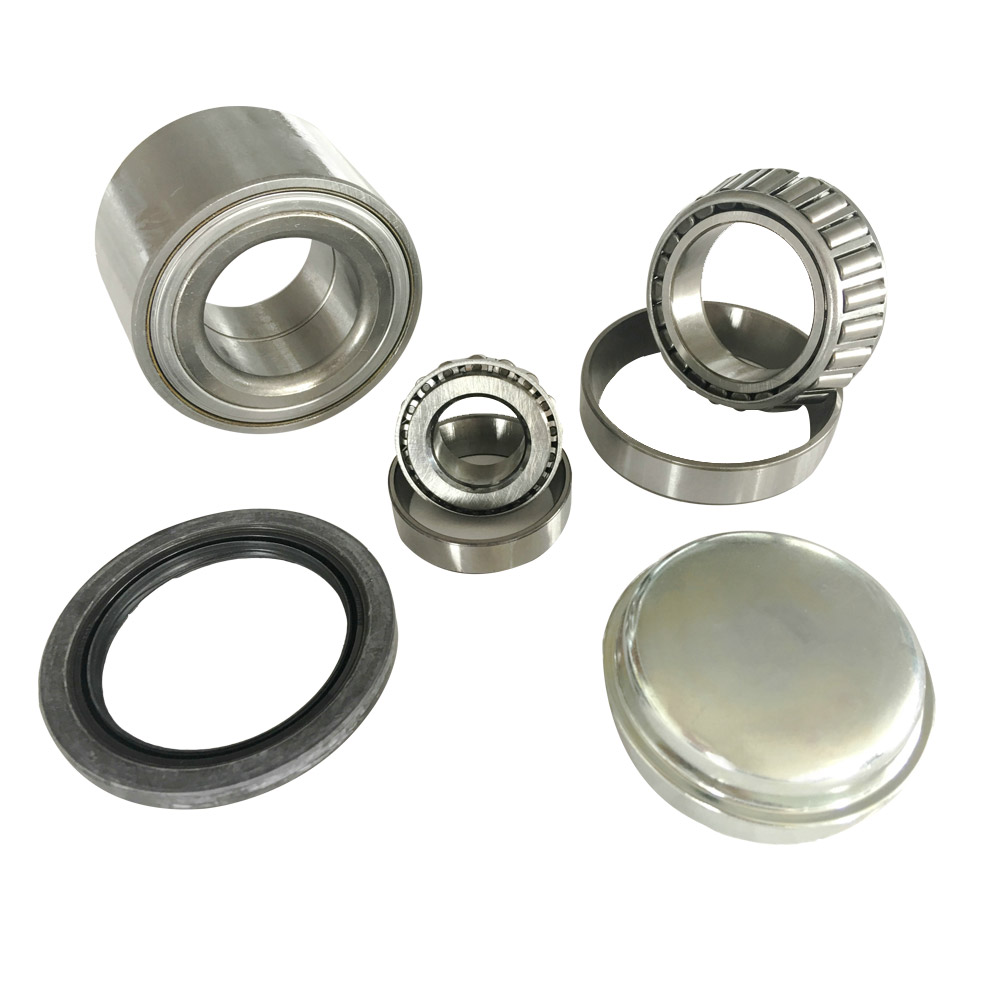
A wheel bearing hub assembly unit is one of the most safety-critical components on any vehicle, connecting the wheel to the suspension system while allowing it to rotate smoothly under load. Unlike older designs that used separate bearings, races, and seals requiring manual packing and adjustment, modern hub assemblies combine the bearing, hub flange, and often the ABS sensor into a single sealed unit. This guide explains how these assemblies work, the signs that indicate failure, and what to consider when selecting a replacement.
What a Wheel Bearing Hub Assembly Actually Does
The hub assembly serves as the rotating interface between the vehicle's stationary suspension components and the spinning wheel and tire. Inside the unit, precision-ground ball or roller bearings allow the hub to rotate with minimal friction while supporting the vehicle's weight, absorbing road impacts, and handling the lateral forces generated during cornering and braking.
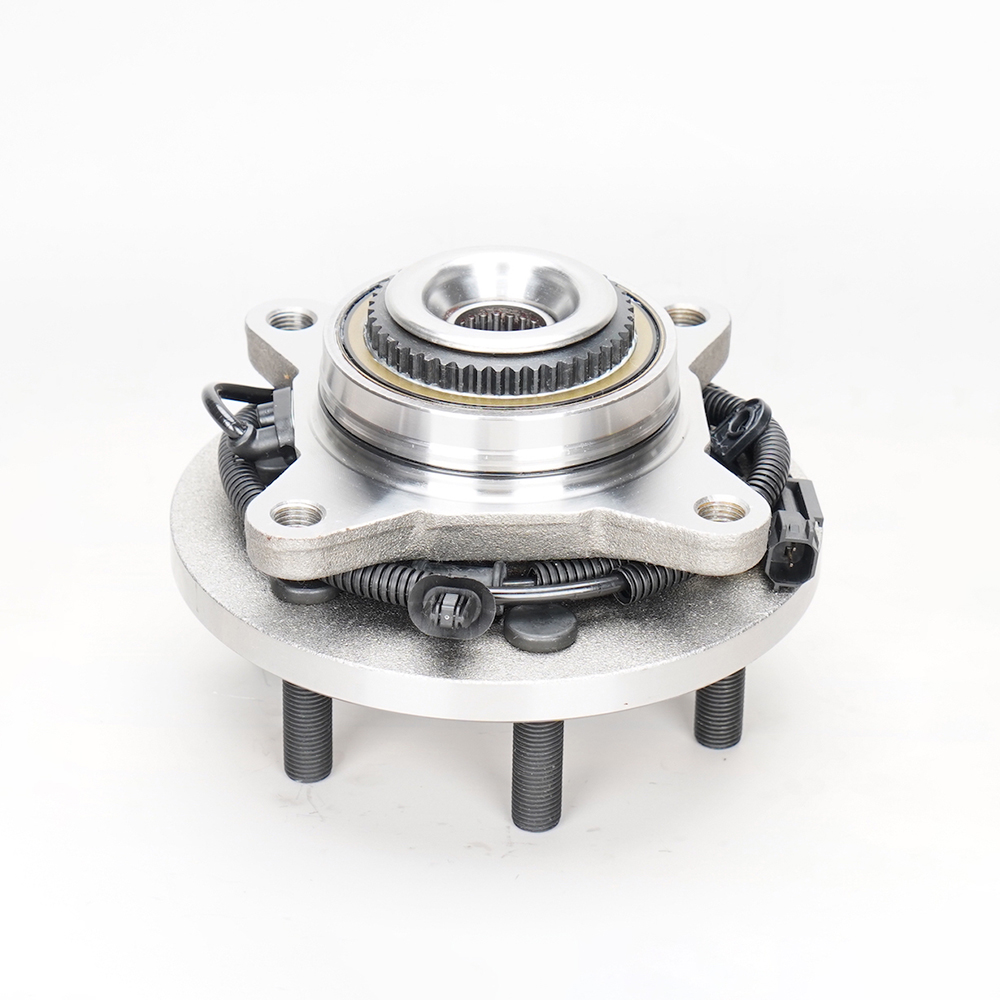
In most modern vehicles, the hub assembly also integrates the wheel speed sensor used by the anti-lock braking system (ABS) and, in many cases, by electronic stability control and traction control systems. Because of this integration, a failing hub bearing can sometimes trigger ABS warning lights or intermittent traction control faults, even before mechanical symptoms like noise or vibration become obvious.
Types of Wheel Bearing Hub Assemblies
Hub assemblies are generally categorized into generations based on their level of integration, and understanding which type a vehicle uses is essential for sourcing the correct replacement part.
| Generation | Description | Common Applications |
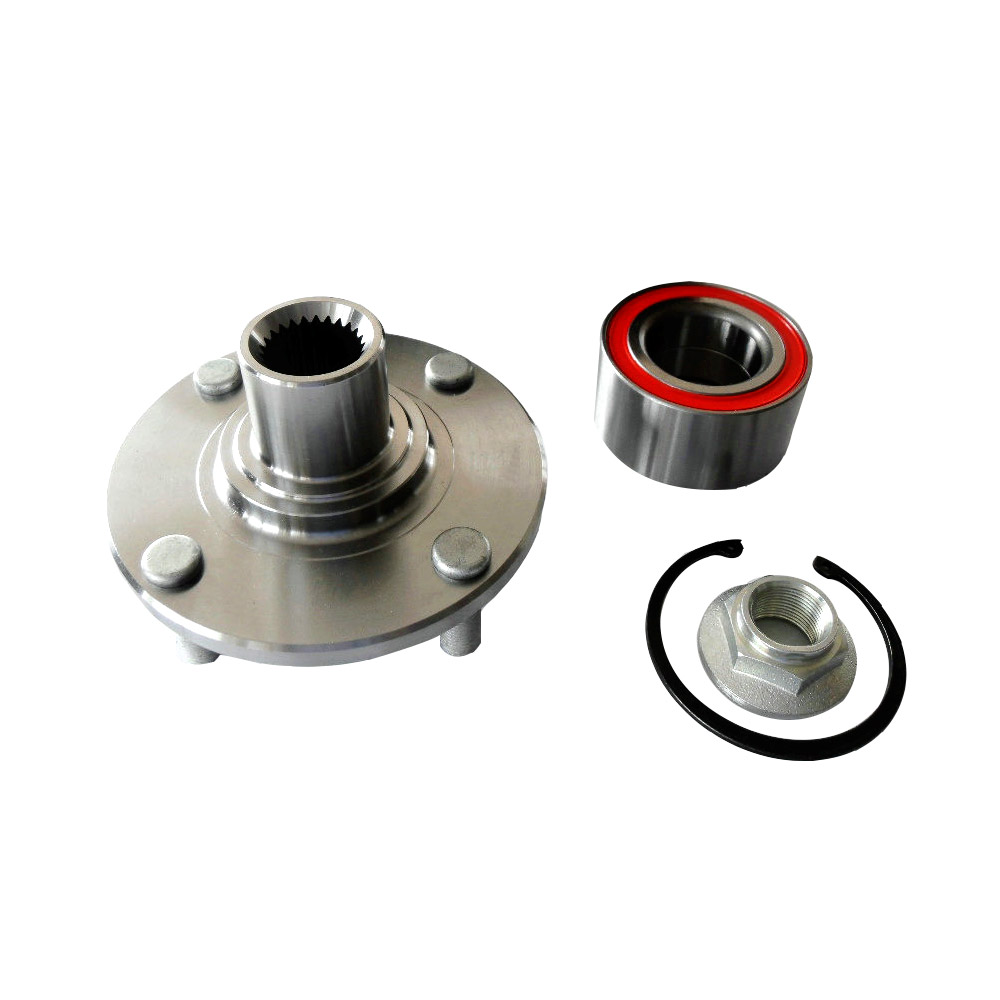
| Generation 1 | Bearing only, no integrated hub or flange | Older vehicles, some heavy-duty trucks |
| Generation 2 | Bearing integrated with hub flange | 1990s to early 2000s vehicles |
| Generation 3 | Bearing, hub, and ABS sensor combined | Most modern passenger vehicles |
| Generation 4 | Fully integrated with CV joint connection | Newer front-wheel and all-wheel drive vehicles |
Most vehicles on the road today use Generation 3 assemblies, which simplify replacement significantly compared to older designs, since the entire unit bolts directly onto the steering knuckle or spindle without requiring separate bearing races or manual adjustment.
Common Symptoms of a Failing Hub Assembly
Recognizing early warning signs of hub bearing failure can prevent more serious mechanical damage and reduce the risk of a wheel-related safety incident.
- A humming, growling, or grinding noise that changes with vehicle speed
- Noise that increases when turning, especially in one direction
- Steering wheel vibration or a pulsing sensation at higher speeds
- ABS or traction control warning lights appearing intermittently
- Uneven tire wear concentrated on one wheel
- Looseness or play detected when the wheel is rocked by hand while jacked up
A common diagnostic technique involves safely raising the affected wheel off the ground and grasping it at the 12 and 6 o'clock positions to check for excessive play, which often indicates worn bearings even before noise becomes noticeable while driving.

What Causes Hub Bearing Assemblies to Fail
Understanding the root causes of hub bearing failure can help vehicle owners avoid premature wear and extend component lifespan.
Contamination and Seal Damage
Modern hub assemblies are sealed units, but the seals can degrade over time or become damaged by road debris, allowing water and dirt to enter the bearing and accelerate corrosion and wear.
Impact Damage
Hitting potholes, curbs, or debris at speed can cause sudden stress on the bearing that leads to microscopic damage, which then worsens gradually until it produces noticeable symptoms.
Improper Installation
Overtightening or undertightening the hub nut during installation, or failing to torque it to the manufacturer's specification, can cause premature bearing failure even on a brand-new part.
Choosing the Right Replacement Hub Assembly
Selecting an appropriate replacement part requires attention to several factors beyond simply matching the vehicle make and model.
OEM vs Aftermarket Parts
Original equipment manufacturer (OEM) parts typically match the exact specifications of the factory-installed component, while aftermarket parts vary widely in quality. Reputable aftermarket brands often use similar bearing steel grades and manufacturing tolerances to OEM parts, but budget options may use lower-grade materials that wear out faster.
Sensor Compatibility
For vehicles with integrated ABS sensors, it is essential to confirm the replacement includes a correctly calibrated sensor, since a mismatched sensor can cause inaccurate wheel speed readings and trigger stability control warnings.
Load and Application Rating
Vehicles used for towing or carrying heavy loads may benefit from hub assemblies rated for higher load capacities, which are sometimes available as upgraded options from certain manufacturers.
Installation Considerations for Long-Term Reliability
Proper installation is just as important as selecting a quality part. The hub nut should always be torqued to the exact specification listed in the vehicle's service manual, since incorrect torque is one of the leading causes of early hub bearing failure after replacement.
It is also good practice to inspect the mating surfaces on the steering knuckle for corrosion or damage before installing a new assembly, since a poor fit can introduce play even with a properly functioning bearing. After installation, road testing the vehicle and checking for unusual noise, ABS warning lights, or steering vibration helps confirm the repair was successful before returning the vehicle to regular use.
Because wheel bearing hub assemblies directly affect vehicle handling, braking system accuracy, and overall safety, addressing symptoms promptly and choosing a quality replacement part suited to the vehicle's specific application are essential steps in maintaining safe, reliable performance over the long term.
