


Content
- 1 What Is a Wheel Bearing Hub Assembly Unit and What Does It Do?
- 2 How Is a Wheel Bearing Hub Assembly Unit Constructed?
- 3 What Are the Most Common Signs of a Failing Wheel Bearing Hub Assembly?
- 4 What Causes Wheel Bearing Hub Assemblies to Wear Out?
- 5 How to Replace a Wheel Bearing Hub Assembly Unit Correctly
- 6 How to Choose the Right Wheel Bearing Hub Assembly Unit
- 7 How Long Should a Replacement Wheel Bearing Hub Assembly Last?
What Is a Wheel Bearing Hub Assembly Unit and What Does It Do?
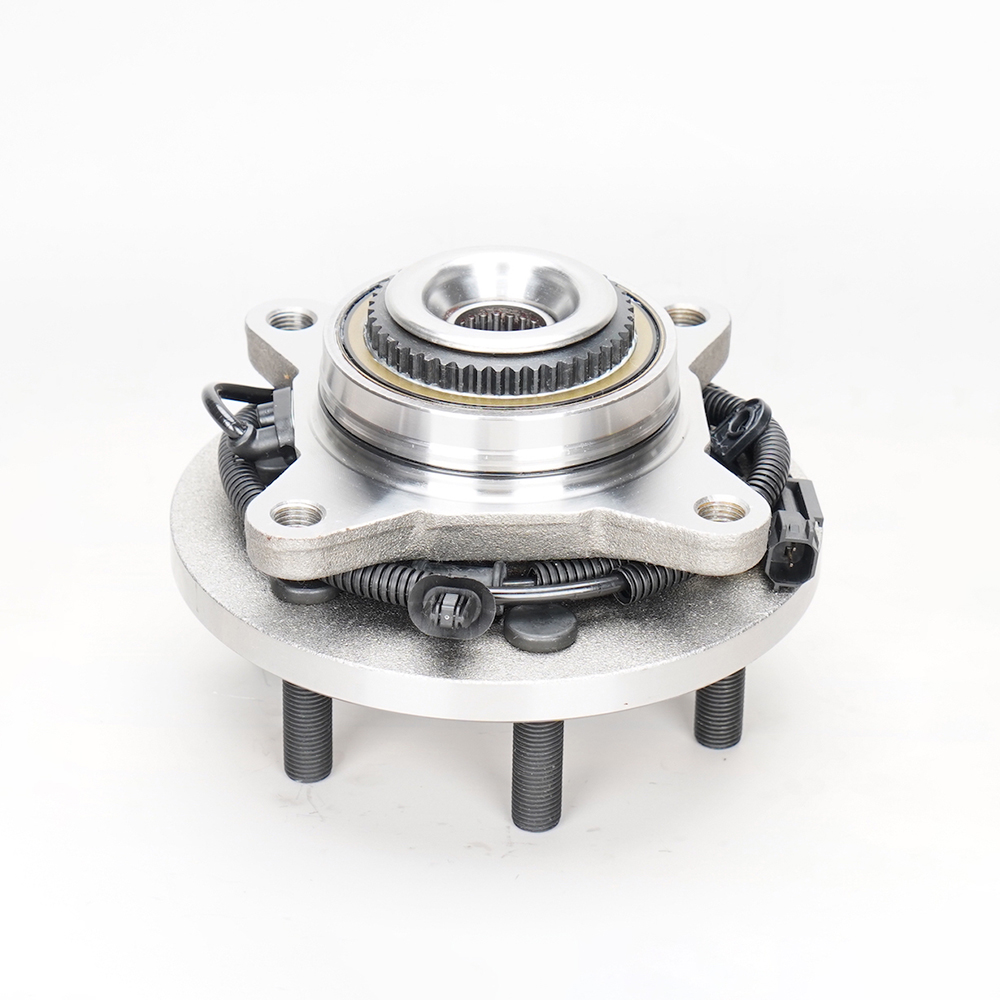
A wheel bearing hub assembly unit is a pre-packaged automotive component that integrates the wheel bearing, hub, and in many modern designs, the ABS wheel speed sensor into a single sealed unit. It serves as the critical interface between the rotating wheel and the stationary suspension components of the vehicle. The hub provides the mounting surface for the wheel and brake rotor or drum, while the bearing allows the wheel to spin freely with minimal friction around the axle or spindle. Together, these elements support the full weight of the vehicle, absorb road shocks, and transmit braking and driving forces between the wheel and the drivetrain.
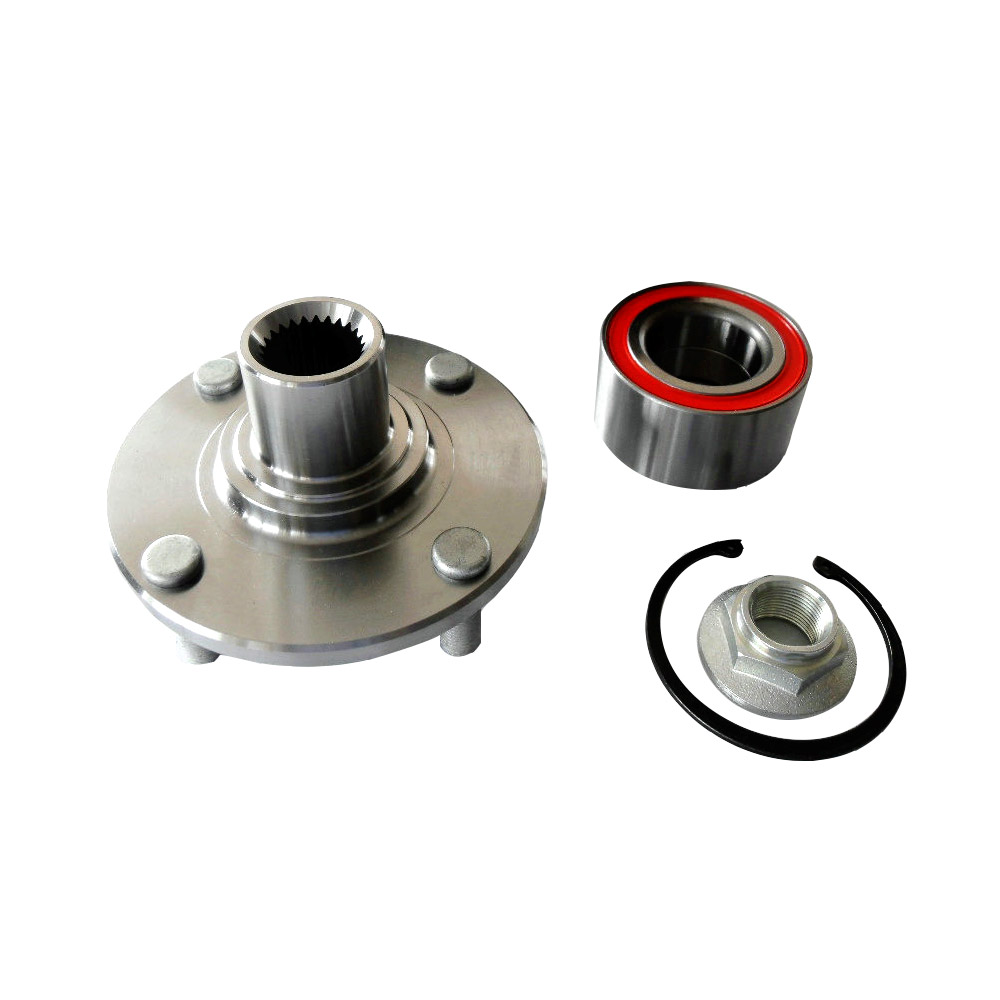
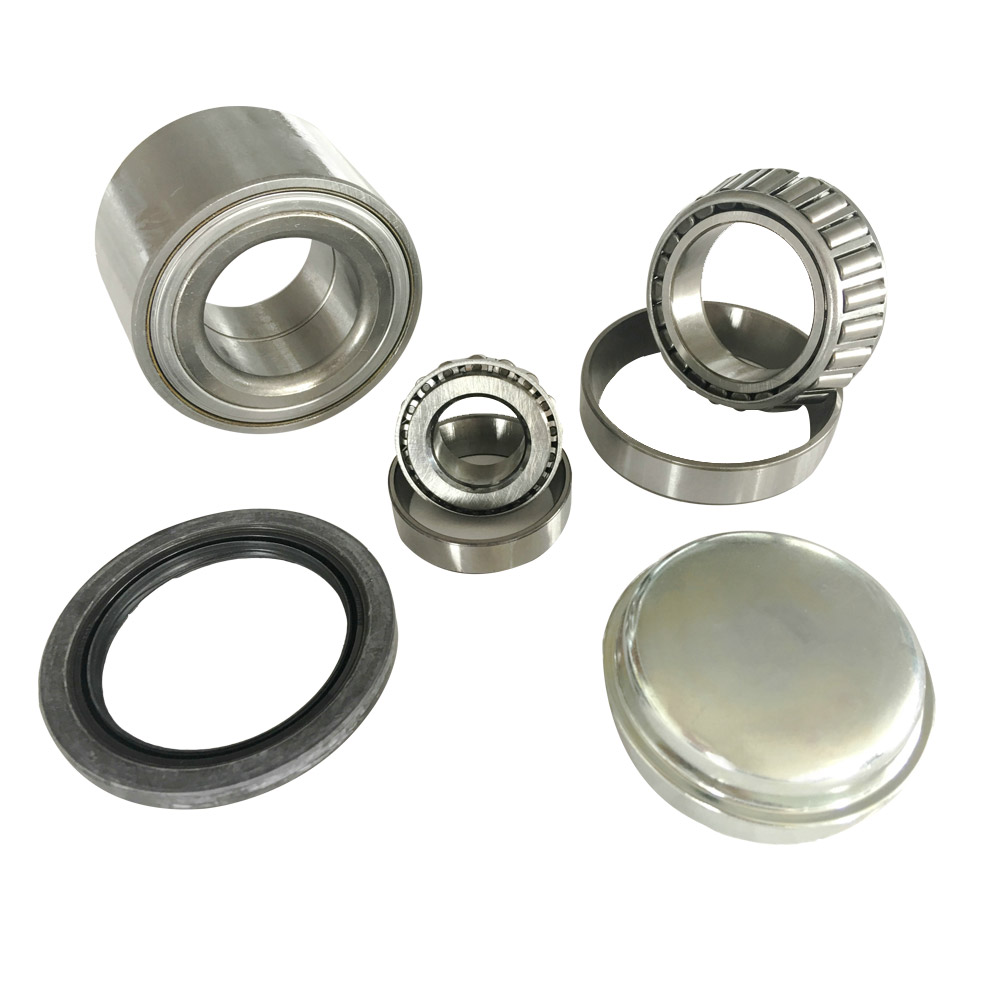
Unlike older vehicles that used separate, serviceable tapered roller bearings requiring periodic repacking with grease, modern wheel bearing hub assembly units are sealed for life at the factory. They require no maintenance and are designed to be replaced as a complete unit when they wear out. This design simplifies servicing significantly — a mechanic removes the old unit entirely and bolts a new one in its place — but it also means that when any internal component fails, the entire assembly must be replaced rather than just the worn element.
How Is a Wheel Bearing Hub Assembly Unit Constructed?
Understanding the internal construction of a hub assembly helps explain both why these units eventually fail and what separates a quality unit from a budget replacement. The core of the assembly is a double-row angular contact ball bearing or tapered roller bearing, which is engineered to handle both radial loads from the vehicle's weight and axial loads from cornering forces simultaneously.
The bearing is pressed into or formed within a flanged outer housing — the hub flange — which provides the bolt circle for wheel attachment and the mounting surface for the brake rotor or drum. On driven axles, the inner race of the bearing features splines that engage with the constant velocity (CV) axle shaft, transmitting torque from the drivetrain to the wheel. On non-driven axles, the inner bore is solid or fits over a fixed spindle.
High-quality hub assemblies incorporate multi-lip rubber seals that protect the bearing races and rolling elements from water, road salt, dirt, and brake dust. The integrity of these seals is one of the primary determinants of service life. Additionally, most units sold for vehicles manufactured after the mid-1990s include an integrated tone ring and magnetic or active ABS sensor, allowing the vehicle's anti-lock braking and traction control systems to monitor individual wheel speeds.
What Are the Most Common Signs of a Failing Wheel Bearing Hub Assembly?
Recognizing the early warning signs of a worn or damaged hub assembly allows you to address the problem before it progresses to a safety-critical failure. A bearing that collapses completely while the vehicle is in motion can cause sudden loss of steering control or wheel separation — outcomes that are both dangerous and expensive. The symptoms tend to worsen progressively, so catching them early is important.
- Grinding or rumbling noise: A low-frequency grinding, rumbling, or growling noise that changes pitch or intensity with vehicle speed is the most classic symptom of a worn wheel bearing. The noise often changes when the vehicle is turned slightly, as weight shifts load from one bearing to another.

- Noise that changes with steering input: If the grinding sound becomes louder when you turn the steering wheel to the left, the right front or left rear bearing is likely worn. If it worsens when turning right, suspect the left front or right rear bearing. This load-shift behavior is a reliable diagnostic indicator.
- Vibration through the steering wheel or floorboard: Advanced bearing wear often produces a vibration that can be felt through the steering column on front axle failures, or through the seat and floor on rear axle failures. This symptom indicates significant internal damage and requires urgent attention.
- ABS or traction control warning lights: Because the wheel speed sensor is integrated into most modern hub assemblies, a failing bearing can cause intermittent or incorrect speed signal outputs that trigger ABS, traction control, or stability control warning lights on the dashboard.
- Uneven tire wear: A loose or worn bearing allows excessive play in the wheel, which disrupts the tire's contact patch geometry and can produce irregular wear patterns that become visible on inspection.
- Wheel wobble or play: With the vehicle safely lifted, grasping the tire at the 12 and 6 o'clock positions and rocking it should produce no perceptible play. Any looseness detected in this test indicates bearing wear that has progressed to a serious level.
What Causes Wheel Bearing Hub Assemblies to Wear Out?
Wheel bearing hub assemblies operate under demanding conditions throughout their service life. Several factors accelerate wear and determine how long a unit will last before requiring replacement. Understanding these causes helps vehicle owners make informed decisions about driving habits, maintenance, and replacement part quality.
Seal Contamination
Water and road contaminants entering a compromised bearing seal are the leading cause of premature failure. Once moisture reaches the bearing races and rolling elements, it displaces lubrication and causes corrosion, pitting, and spalling on the hardened steel surfaces. Vehicles driven in regions with heavy road salt use during winter months are particularly vulnerable to this failure mode. A single deep water crossing or pressure washer directed at the hub area can also force contaminants past marginally intact seals.
Impact Damage from Road Hazards
Striking a pothole, curb, or road debris at speed applies a sudden shock load to the bearing that can crack or deform the rolling elements and races. This type of damage may not produce immediate noticeable symptoms but creates stress concentrations that dramatically shorten remaining service life. Vehicles lowered beyond factory specifications with aftermarket suspension also apply higher-than-designed loads to hub assemblies, accelerating wear.
Improper Installation of Previous Components
Hub assemblies can be damaged during the installation process itself if improper techniques are used. Hammering directly on the hub flange, using an undersized driver that contacts only part of the bearing race, or failing to torque the axle nut and mounting bolts to specification can all pre-load the bearing incorrectly and cause accelerated wear from the moment of installation.
How to Replace a Wheel Bearing Hub Assembly Unit Correctly
Replacing a wheel bearing hub assembly is a moderately skilled repair that many experienced DIY mechanics can perform with the right tools, but improper technique can damage an expensive new unit immediately. Following the correct procedure is essential for both safety and longevity of the replacement.
Before beginning, gather the necessary tools: a quality floor jack and jack stands rated for the vehicle's weight, a torque wrench, a breaker bar, the correct socket sizes for the axle nut and hub mounting bolts, and in some cases a hub puller if the unit is pressed onto the knuckle rather than bolted. Consult the vehicle-specific service manual for the correct torque specifications and any special procedures required for that platform.
With the vehicle safely elevated and supported, remove the wheel, brake caliper, and rotor or drum to access the hub assembly. On bolt-on units, remove the axle nut and the hub mounting bolts, then withdraw the assembly from the knuckle. Clean the knuckle bore and mating surfaces thoroughly before installing the new unit. Install all mounting bolts and torque them to specification in a cross pattern to ensure even seating. Always install a new axle nut and torque it to the manufacturer's specification — reusing the old nut risks insufficient clamping force or thread damage that can cause the assembly to loosen in service.
How to Choose the Right Wheel Bearing Hub Assembly Unit
The replacement parts market for hub assemblies is heavily populated with products spanning a wide range of quality and price points. Selecting the right unit requires evaluating several important factors beyond simply finding a part that physically fits the vehicle.
| Selection Factor | What to Look For | Why It Matters |
| OEM vs. Aftermarket | OEM or OEM-equivalent supplier brands | Ensures dimensional accuracy and material quality |
| ABS Sensor Compatibility | Correct sensor type and connector for vehicle | Prevents ABS/traction control fault codes |
| Bearing Material Grade | High-carbon chromium steel races and elements | Directly affects load capacity and fatigue life |
| Seal Design | Multi-lip seals with labyrinth protection | Critical for keeping contaminants out |
| Warranty Coverage | Minimum 1–3 year or mileage warranty | Reflects manufacturer confidence in product quality |
| Vehicle-Specific Fitment | Verified by VIN or year/make/model/trim | Prevents incorrect bolt patterns or spline counts |
Reputable aftermarket brands that supply OEM manufacturers — such as SKF, Timken, FAG, and Moog — consistently deliver quality levels that match or exceed original equipment specifications. Budget-tier units sourced from unknown manufacturers may save money upfront but frequently exhibit premature seal failure, substandard steel hardness, and inconsistent dimensional tolerances that lead to early replacement and additional labor costs.
How Long Should a Replacement Wheel Bearing Hub Assembly Last?
Under normal operating conditions and with a quality unit correctly installed, a replacement wheel bearing hub assembly should last between 130,000 and 200,000 kilometers, or approximately 80,000 to 125,000 miles. However, actual service life varies considerably based on driving environment, vehicle load, road surface quality, and the quality of the replacement unit itself.
Vehicles that regularly travel on poorly maintained roads, carry heavy loads, or operate in high-salt winter environments will see shorter bearing service intervals. Conversely, vehicles driven primarily on well-maintained roads in moderate climates with quality replacement parts can exceed the upper end of the expected life range. After installation, it is good practice to recheck the hub mounting bolt torque after the first 500 kilometers of driving, as minor settling at the mating surfaces can sometimes cause slight relaxation of initial torque values.
Periodic inspection of hub assemblies during routine brake service — typically every 15,000 to 20,000 kilometers — allows early detection of seal degradation or developing noise before complete bearing failure occurs. Catching problems at this stage typically means replacing only the hub assembly rather than also dealing with damaged knuckle bores, axle shaft splines, or brake components that can be collateral damage from a fully collapsed bearing.
