


Content
- 1 Introduction: Why this question matters
- 2 How a wheel bearing hub assembly works and common failure modes
- 3 Immediate safety risks of driving with a worn hub assembly
- 4 How to inspect and diagnose a worn hub assembly safely
- 5 Is it ever acceptable to drive temporarily with a worn bearing?
- 6 Repair strategies: replace bearing vs full hub assembly
- 7 Costs, parts selection and longevity considerations
- 8 Prevention: maintenance tips to avoid premature failure
- 9 Final recommendations: when to stop driving and call for help
- 10 Summary: practical takeaway
Introduction: Why this question matters
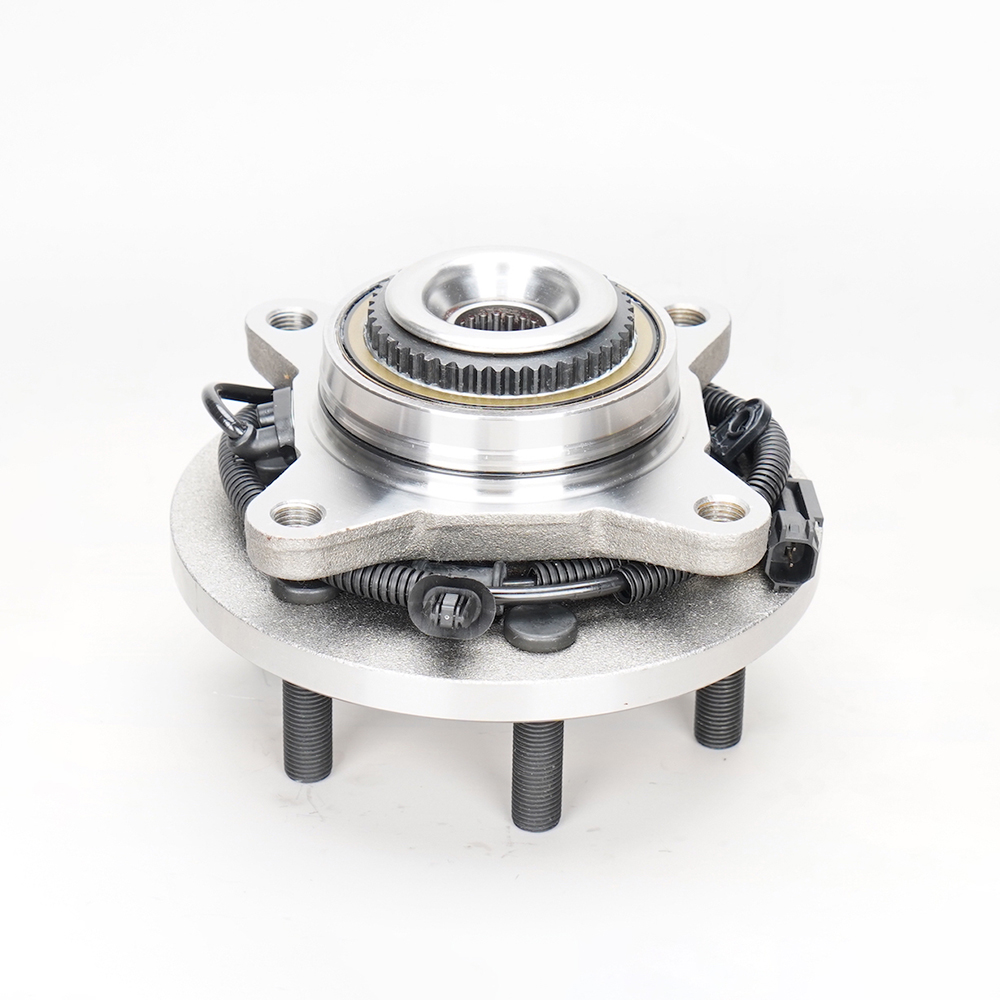
A wheel bearing hub assembly unit is a critical component of a vehicle’s wheel system. It supports wheel rotation on the axle, maintains precise alignment of the wheel relative to the suspension, and often houses wheel-speed sensors for ABS and traction control systems. Asking whether it is safe to drive with a worn wheel bearing hub assembly unit is not an academic exercise — the answer affects immediate personal safety, vehicle controllability, repair cost, and the potential for cascading damage. This article explains symptoms of failure, the real-world risks of continued driving, how to inspect and diagnose a worn hub assembly, safe short-term options, and best practices for repair or replacement.
How a wheel bearing hub assembly works and common failure modes
A wheel bearing hub assembly typically contains a sealed bearing (often a tapered-roller or ball-bearing assembly) pressed into a hub flange that the wheel studs attach to. It transmits radial and axial loads between the wheel and suspension while allowing low-friction rotation. Failure can start from contamination, water ingress, insufficient lubrication, corrosion, heavy impact (potholes), or normal wear. Over time, bearings develop increased play, roughness, heat, and noise. When integrated with wheel-speed sensors, electrical connections or tone rings can also fail, producing ABS faults.
Typical symptoms you can detect
Recognizing symptoms early reduces risk. Typical signs include humming, growling, or grinding noises that change with vehicle speed; increased steering wheel play; vibration or wobble at speed; uneven or accelerated tire wear; ABS or traction control warning lights; and in severe cases, wheel looseness or wobble when jacked and rocked by hand. Noise often intensifies when turning toward the affected side because extra load reveals bearing deterioration.
Immediate safety risks of driving with a worn hub assembly
Driving with a worn wheel bearing hub assembly carries graduated risks. Initially, the primary danger is loss of smooth wheel rotation leading to vibration and impaired handling, which can increase stopping distance and reduce stability during evasive maneuvers. As wear progresses, heat buildup and metal fatigue can lead to catastrophic bearing collapse — hub separation or a wheel coming loose — causing loss of control and potential crash. Additionally, worn bearings can damage hub studs, brake components and ABS sensors, turning a modest repair into an expensive emergency fix.
Which scenarios are most hazardous?
Highway speeds, heavy vehicle loads, towing, steep descents, and emergency braking magnify risk. A slow leak (bearing generating heat and friction) may degrade gradually, but sudden failure scenarios often occur when the vehicle is carrying extra weight or traveling at high speed — conditions where wheel separation or abrupt lockup would be most dangerous.
How to inspect and diagnose a worn hub assembly safely
A practical inspection starts with simple checks that any driver or DIYer can perform, followed by workshop-level diagnostics. Always park on level ground, engage parking brake, and use wheel chocks for safety before jacking the vehicle.
- Visual check: Look for grease leaking at the hub flange, rust streaks, or a damaged ABS tone ring. These indicate seal failure or contamination.
- Wheel play test: With the wheel off the ground, grasp it at 12 and 6 o'clock and rock back and forth; any axial play beyond a few millimeters suggests bearing wear. Also test at 3 and 9 o'clock to feel for roughness or movement.
- Spin test: Rotate the wheel by hand and listen for grinding, clicking or rough sounds. Excessive resistance or noise often correlates to internal bearing damage.
- Road test: A controlled drive at low and highway speeds — with caution — can help localize humming noises that change with steering input. However, limit this if symptoms are severe.
- Professional checks: A shop can measure runout, use dial indicators to quantify play, and inspect the bearing under load. They can also diagnose ABS sensor faults with an OBD-II scan tool.

Is it ever acceptable to drive temporarily with a worn bearing?
Short, cautious driving after discovering early, mild symptoms can be acceptable only to reach a safe repair facility — not for continuous use. If noise is minor and there is no play, you may drive slowly for a short distance (low speeds, avoid highways) to a mechanic. If you detect wheel play, smoke, burning smell, ABS faults, or worsening noise, the vehicle should not be driven. In such cases arrange towing — driving risks wheel detachment and collapse.
Practical temporary measures
Temporary measures include reducing load, avoiding high speeds, and driving only to a nearby repair shop. Do not attempt temporary welding, makeshift fastening of a hub, or ignore ABS warnings. These "fixes" are unsafe and may lead to catastrophic failure.
Repair strategies: replace bearing vs full hub assembly
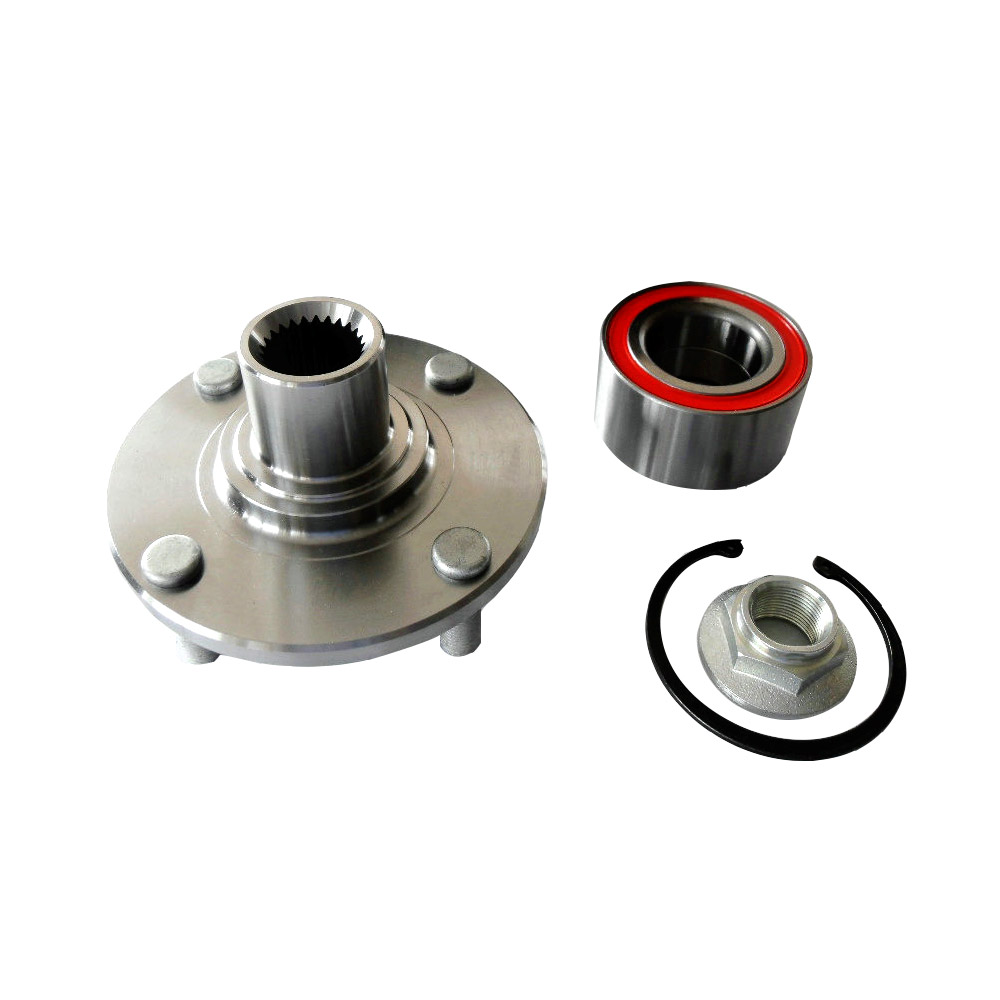
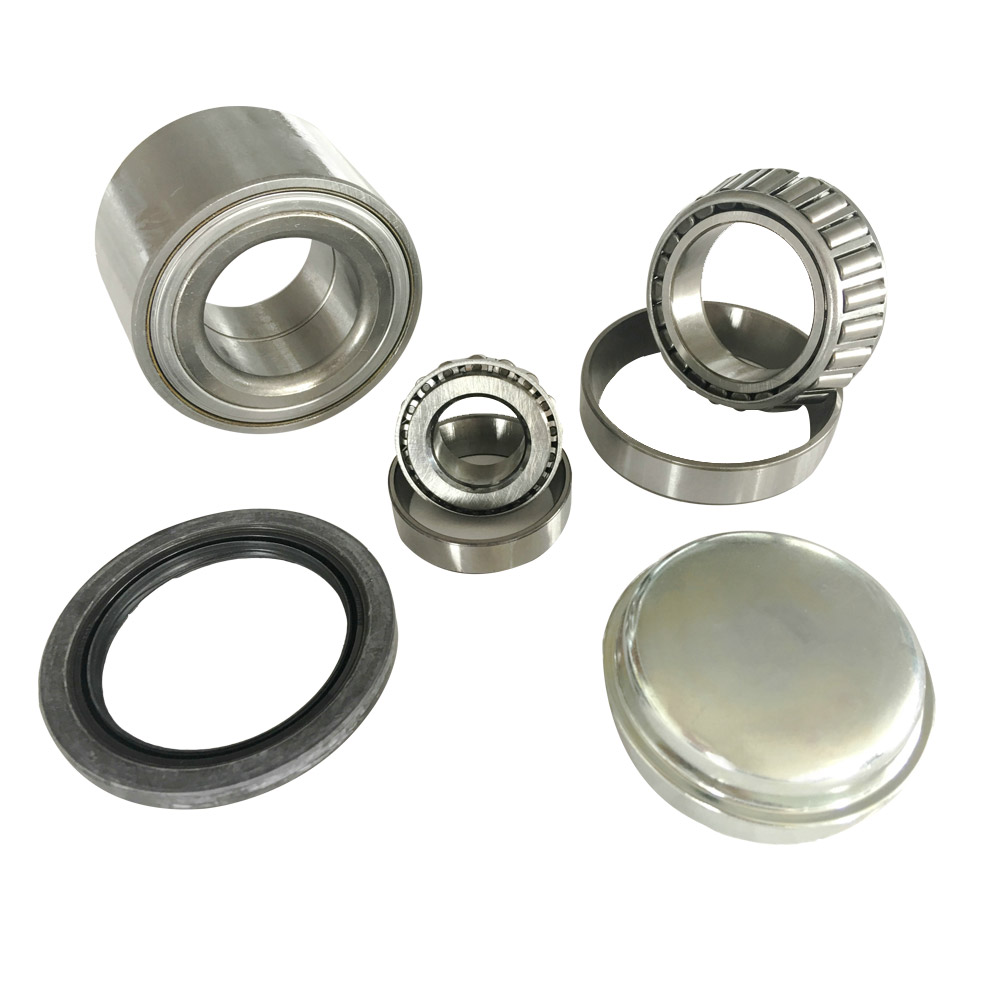
Historically, technicians repacked bearings or replaced individual bearing races. Modern vehicles increasingly use sealed hub assemblies that are replaced as a unit. Replacing the whole hub assembly is often faster, reduces contamination risk, and restores pre-load and pre-set tolerances. In some older or heavy-duty vehicles the bearing alone may be serviceable. Choose an approach compatible with your vehicle design and safety needs.
| Factor | Replace Bearing Only | Replace Full Hub Assembly |
| Cost | Lower parts cost, higher labor on some cars | Higher parts cost, faster labor |
| Reliability | Good if done correctly; risk of contamination | High; factory-sealed tolerances |
| Time to repair | Longer (pressing and setup) | Shorter (drop-in replacement) |
Costs, parts selection and longevity considerations
Replacement costs vary by vehicle — economy cars can be modest, while luxury or heavy-duty vehicles command higher prices. Consider OEM vs aftermarket: OEM parts match factory tolerances and warranty coverage; reputable aftermarket brands can provide cost-effective, equivalent performance. When fitting a new assembly, have the technician clean mating surfaces, replace axle nuts/wheel studs if damaged, and torque to the manufacturer’s specification to avoid pre-load errors that shorten bearing life.
Prevention: maintenance tips to avoid premature failure
Preventative measures reduce likelihood of driving with a worn hub. Avoid repeated heavy impact on curbs and potholes, maintain proper tire inflation and suspension settings, keep wheel seals and boots intact, service wheel bearings per manufacturer schedule if applicable, and replace brake components that leak fluid onto hubs. For vehicles exposed to winter salt, regular washing and undercarriage cleaning reduce corrosion risk.
Final recommendations: when to stop driving and call for help
If you detect increasing noise, measurable wheel play, ABS/traction warnings coinciding with hub symptoms, or any sign of smoke, burning odor, or a loose wheel, stop driving immediately and arrange towing. If symptoms are mild and stable, drive slowly and directly to a trusted repair shop — avoid highways and heavy loads. Prioritize safety over saving repair costs: the expense of a timely hub replacement is minor compared with the human and property risk of a catastrophic wheel failure.
Summary: practical takeaway
A worn wheel bearing hub assembly unit is a progressive hazard: initial symptoms may be manageable for short trips to a repair facility, but continued driving increases the chance of sudden failure with severe consequences. Inspect early, respect warning signs, and opt for prompt, proper repair — ideally replacing the full hub assembly when the vehicle design and safety considerations make it the most reliable option. When in doubt, err on the side of safety and avoid driving until the issue is addressed.
