


Content
Introduction to Wheel Bearing Hub Assembly Units
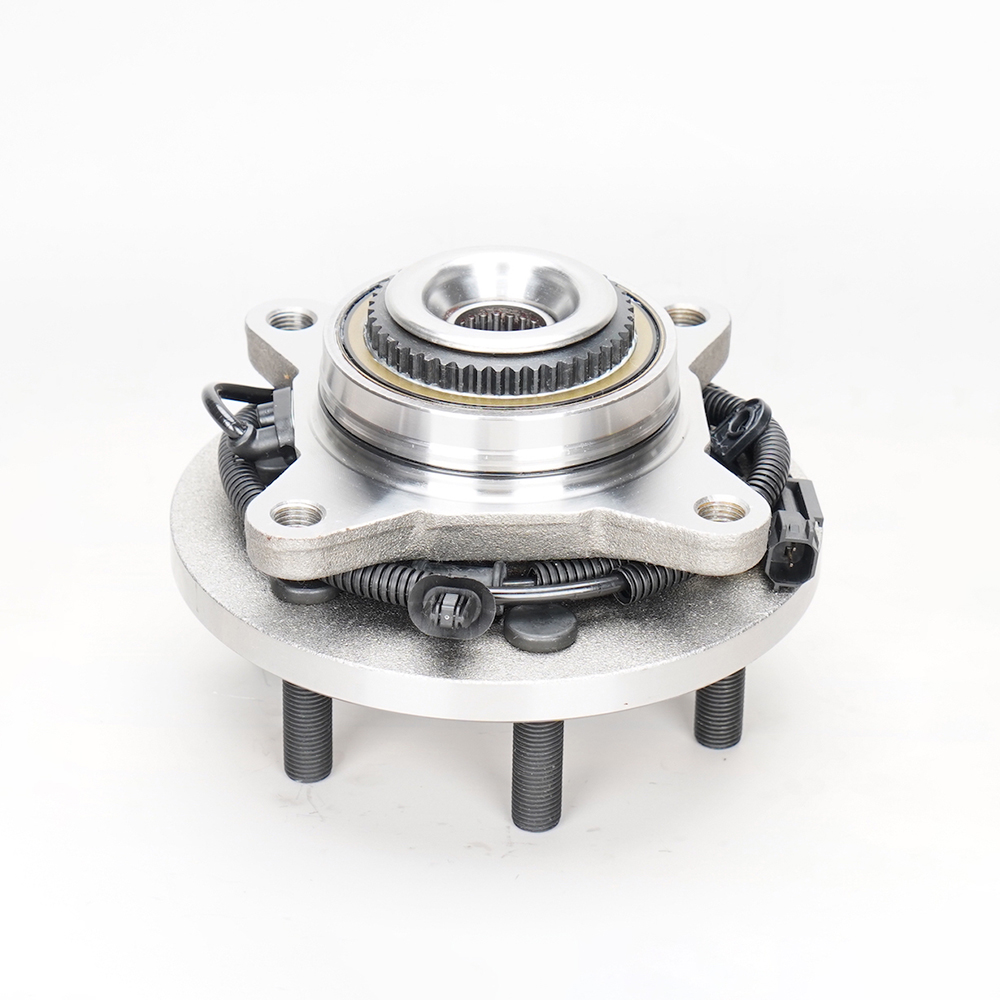
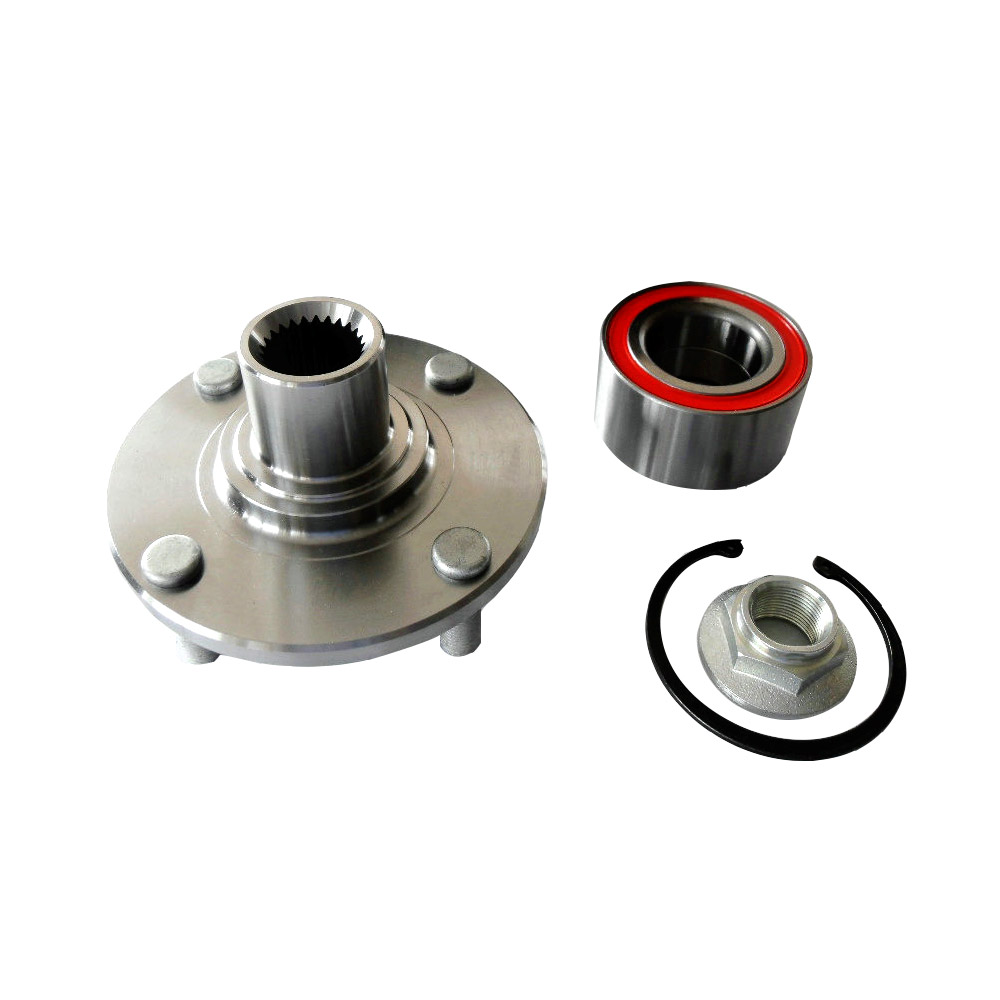
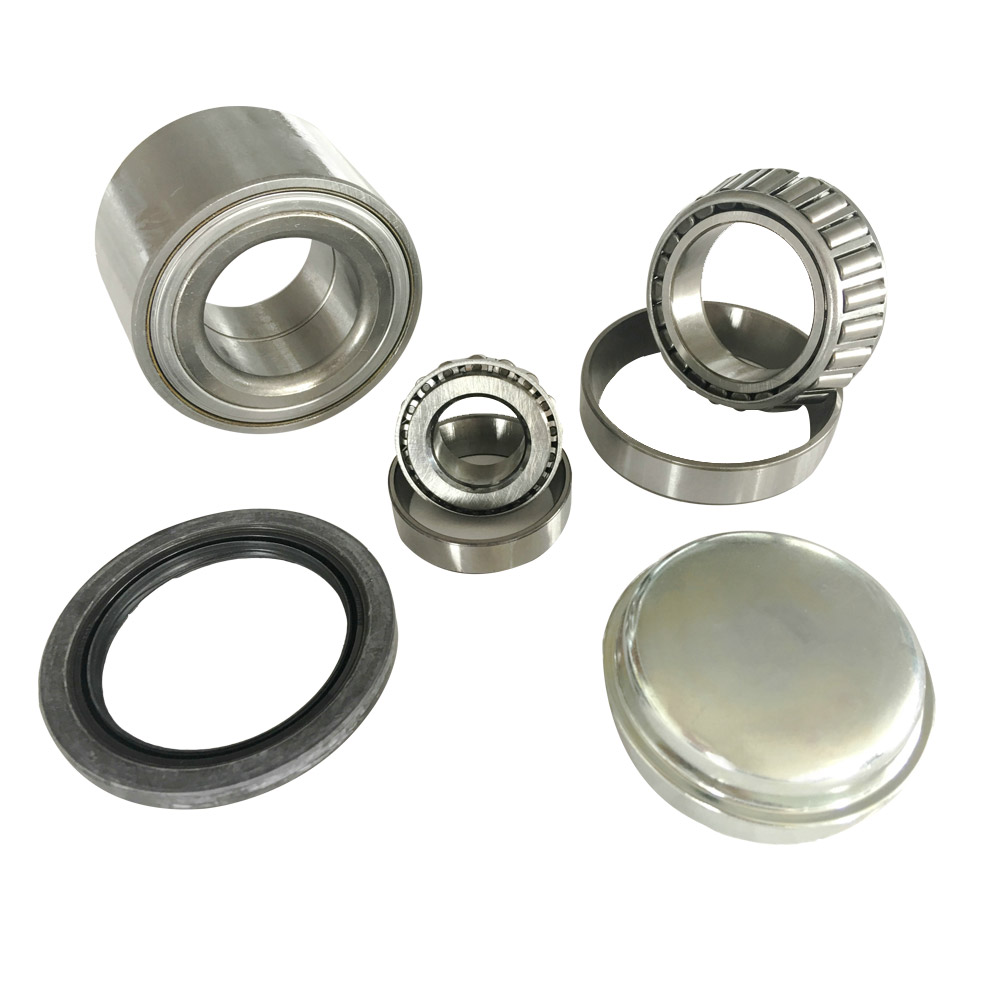
A wheel bearing hub assembly unit is a crucial component of a vehicle's suspension and wheel system. It consists of a hub, bearing, and sometimes an integrated ABS sensor, allowing the wheel to rotate smoothly while supporting the vehicle’s weight. Proper functioning of the hub assembly ensures stability, reduces friction, and maintains safe handling. Damage or failure of this component can have serious consequences for vehicle safety and performance.
Signs of a Damaged Wheel Bearing Hub Assembly
Identifying damage early is critical to prevent accidents and further vehicle damage. Common signs of a failing hub assembly include:
Unusual Noise
One of the most noticeable symptoms is a grinding, humming, or growling noise coming from the wheel area. This noise often increases with vehicle speed and may change when turning. It indicates that the bearings are worn or that the hub is misaligned.
Vibration and Steering Issues
A damaged hub assembly can cause excessive vibration felt through the steering wheel. Vehicles may pull to one side, especially during acceleration or braking, due to uneven rotation of the wheel. Ignoring these vibrations can compromise handling and increase accident risk.
ABS Warning Light Activation
Many modern hub assemblies include built-in ABS sensors. A failing unit can trigger the ABS warning light on the dashboard. This indicates a malfunction in wheel speed monitoring and can affect braking performance.
Uneven Tire Wear
A worn hub bearing can lead to misalignment, causing uneven tire wear. This not only shortens tire life but also reduces traction and increases the likelihood of tire failure during operation.

Risks of Driving with a Damaged Hub Assembly
Driving with a damaged wheel bearing hub assembly unit is extremely risky. The following risks illustrate why timely maintenance is essential:
Wheel Detachment
In severe cases, a completely failed hub can lead to the wheel detaching from the vehicle. This can result in catastrophic accidents, endangering the driver, passengers, and other road users.
Brake System Failure
A damaged hub assembly with integrated ABS sensors can compromise braking efficiency. Reduced ABS functionality increases stopping distances and the risk of skidding, especially on wet or uneven surfaces.
Increased Tire Wear and Damage
Driving on a faulty hub assembly leads to uneven tire wear, reducing tire lifespan and stability. Tires may also overheat, increasing the risk of blowouts at high speeds.
Vehicle Vibration and Handling Issues
Vibrations from a damaged hub assembly affect steering control and vehicle stability. Drivers may experience difficulty maintaining straight-line driving or handling during turns, increasing accident potential.
Diagnosis and Inspection of Wheel Hub Assembly Units
Regular inspection and early diagnosis are crucial for vehicle safety. The following methods are commonly used by mechanics:
Visual Inspection
Mechanics check for physical damage, rust, or loose bolts on the hub assembly. Leaks of lubricant may also indicate bearing failure.
Wheel Rotation Test
By lifting the vehicle, technicians can rotate the wheel manually. Grinding, roughness, or play in the rotation indicates a failing bearing or hub unit.
Road Test
Mechanics may perform a road test to listen for unusual noises, assess vibration, and check steering response. Testing at different speeds and during turns helps pinpoint the damaged assembly.
Replacement and Maintenance
Proper maintenance and timely replacement are essential for safety. Hub assemblies are typically maintenance-free but require replacement when damaged.
Replacement Guidelines
Replacing a hub assembly involves removing the wheel, brake components, and sometimes the suspension parts. Mechanics then install a new assembly, ensuring proper torque on all fasteners. Pre-lubricated, sealed units are preferred for long-term reliability.
Cost Considerations
The cost of replacing a wheel bearing hub assembly varies depending on vehicle make, model, and part quality. OEM units are typically more expensive but provide guaranteed fitment and durability. Aftermarket units may offer cost savings but should meet quality and safety standards.
Preventive Maintenance Tips
- Regularly inspect wheels and hub assemblies for noise, vibration, or looseness.
- Keep wheel bolts and nuts properly torqued to manufacturer specifications.
- Avoid driving through deep water or rough terrain excessively, which can accelerate hub damage.
- Monitor ABS warning lights and unusual braking behavior.
- Replace hub assemblies in pairs (front or rear) to ensure balanced performance.
- Use quality parts to avoid early failure due to inferior materials.
Safety Recommendations
Driving with a damaged wheel bearing hub assembly unit is never recommended. Safety should always take priority:
- Do not drive at high speeds with suspected hub damage.
- Have your vehicle inspected immediately if unusual noises or vibrations occur.
- Replace damaged hub assemblies promptly to prevent catastrophic failures.
- Follow manufacturer service intervals and recommended maintenance procedures.
Conclusion
A wheel bearing hub assembly unit is essential for safe vehicle operation. Driving with a damaged unit can lead to serious consequences, including wheel detachment, braking issues, excessive tire wear, and vehicle instability. Recognizing early warning signs, performing inspections, and replacing faulty assemblies promptly are critical steps to ensure road safety. Prioritizing high-quality replacement parts and professional installation ensures the vehicle maintains optimal performance and safety standards.
